





Yachts and LED lighting: technology and advantages
Imagine sailing the sea at sunset, while your yacht transforms into a luminous work of art that reflects the last lights of the day. We are not talking about simple lighting, but a true technological revolution that is redefining the very concept of nautical luxury. In this in-depth article, we will explore every aspect of yacht lighting, from the most advanced systems to practical solutions, with statistical data, comparative tables, and technical advice that will guide you to the perfect choice for your vessel.
The yacht lighting market is experiencing exponential growth, with a 34% increase in the last three years according to data from the Confindustria Nautica Association. But it's not just about aesthetics: modern LED lighting offers concrete advantages in terms of safety, energy efficiency, and customization that no yacht owner can ignore.
Yachts and modern lighting: beyond simple functionality
Contemporary yacht lighting has long surpassed its purely functional role to become a key element of design, the onboard experience, and even safety. In this opening chapter, we will explore the foundations of this transformation, analyzing how LED technology has opened up new possibilities previously unthinkable in the nautical sector.
The historical evolution of nautical lighting: from lanterns to LEDs
To fully understand the ongoing revolution, it's essential to trace a historical path. Nautical lighting has gone through several technological eras:
The technological eras of yacht lighting
The era of lanterns and oil lamps (up to 1900): for centuries, vessels relied on primitive light sources that offered poor, dangerous, and limited illumination. The average light produced was about 10-15 lumens, equivalent to a modern LED candle.
The advent of electric lighting (1900-1970): with the introduction of electricity on board, incandescent bulbs became the standard. However, high consumption (up to 100W per light point) and a limited lifespan (about 1,000 hours) limited their application.
The halogen era (1970-2000): halogen lamps brought better luminous efficacy (about 15-20 lumens/watt) and superior color rendering, but maintained high consumption and operating temperatures.
The LED revolution (2000-Today): light-emitting diodes have radically transformed every aspect of nautical lighting. With efficiencies exceeding 100 lumens/watt, lifespans of 50,000 hours, and possibilities for digital control, they now represent the only rational choice for any modern yacht.
| Technology | Efficiency (lumens/watt) | Lifespan (hours) | Annual operating cost* | Operating temperature |
|---|---|---|---|---|
| Incandescent | 10-15 | 1,000 | €185 | 250°C |
| Halogen | 15-20 | 2,000 | €150 | 300°C |
| Fluorescent | 50-70 | 8,000 | €45 | 60°C |
| LED | 80-150 | 50,000 | €22 | 40°C |
*Calculated for one light point used 8 hours a day for 180 days a year, electricity cost €0.30/kWh
The strategic advantages of LED lighting on yachts
Choosing LED lighting for yachts is not a simple matter of fashion or aesthetics. It is a strategic decision that affects numerous crucial aspects of the nautical experience. In this chapter, we will analyze each benefit in detail, supported by concrete data and updated statistics.
Energy savings: surprising numbers
The energy efficiency of LED systems represents the main economic advantage for any yacht owner. Considering that a medium-sized vessel (20-30 meters) can have from 100 to 300 light points, the energy consumption of traditional lighting quickly becomes unsustainable.
Let's do a concrete calculation: a 25-meter yacht with 150 halogen light points of 50W each consumes a whopping 7,500W for lighting when all points are on. In one hour of use, this means 7.5 kWh. Considering an average use of 6 hours a day for 150 days a year (typical nautical season in the Mediterranean), we get an annual consumption of 6,750 kWh.
Replacing the same light points with equivalent 7W LEDs (which produce the same light as 50W halogens thanks to higher efficiency), the total consumption drops to 1,050W, equal to 1.05 kWh per hour. The annual consumption therefore becomes 945 kWh, with a saving of 5,805 kWh per year.
Cost-benefit analysis: the return on investment
Considering an average electricity cost in a marina of €0.40/kWh (often higher than the domestic grid), the annual economic savings amount to €2,322. If we consider that the complete replacement of the system for a yacht of this size has an average cost of €15,000-€20,000, the investment pays for itself in just 6.5-8.5 years.
But there's more: most onboard generators work under load conditions far below their capacity when powering traditional lighting. With LEDs, it's possible to reduce the power of the onboard generator or, in some cases, even eliminate the need to turn it on for lighting, relying instead on service batteries.
| Scenario | Annual consumption (kWh) | Annual energy cost | Annual maintenance | Total 5-year cost |
|---|---|---|---|---|
| Halogen Lighting | 6,750 | €2,700 | €600* | €16,500 |
| LED Lighting | 945 | €378 | €50 | €2,140 |
| LED Savings | 5,805 kWh | €2,322 | €550 | €14,360 |
*Bulb replacement, labor, disposal
Onboard safety: lighting to protect
Correct lighting represents one of the most underestimated safety factors on board a yacht. According to statistics from the international nautical safety organization, 23% of onboard accidents (falls, trips, bumps) occur in conditions of insufficient lighting.
LEDs offer unique safety features:
Instant on: unlike fluorescent technologies that require time to reach full brightness, LEDs provide 100% light immediately. This is crucial in emergency situations or when turning on lights in dark environments.
No flicker: quality LEDs do not have the typical flicker of fluorescent lights, which can cause eye strain, headaches and, in rough sea conditions, increase the risk of seasickness.
Uniform lighting: with LEDs, it is possible to design lighting systems that completely eliminate shadow areas and excessive contrasts, two of the main causes of onboard accidents.
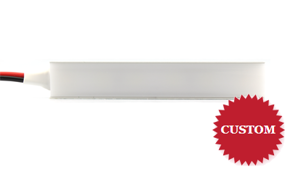
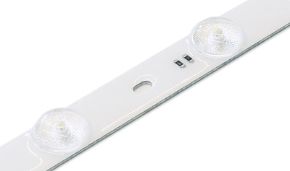
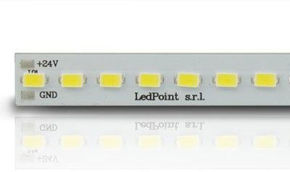
Particularly important is the lighting of passages, stairs, and transition areas. For these applications, we recommend rigid LED strips that offer perfectly uniform light distribution and exceptional durability even in difficult environments like the interiors of a yacht.
Types of LED lighting for yachts: choosing with awareness
The world of LEDs for nautical applications is extremely varied. In this chapter, we will explore every available type, analyzing pros and cons, ideal applications, and technical characteristics specific to the marine environment.
LED strips: the versatile solution for every need
LED strips represent the most versatile and widespread solution for lighting modern yachts. Their installation flexibility, high customization, and the possibility of creating continuous lighting effects make them ideal for numerous onboard applications.
Flexible LED strips: adaptability without compromise
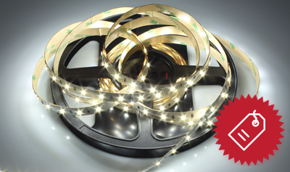
Flexible LED strips are made on a flexible copper tape that can be bent and curved to follow any profile. This characteristic makes them perfect for:
Contour lighting: creating light plays along the yacht's profiles, highlighting the design lines without interruptions.
Installation in irregular spaces: following complex curvatures like those of furniture, ceilings, or interior walls.
Creation of custom shapes: with careful design, it is possible to create custom light patterns that reflect the owner's style.
High-quality flexible LED strips for nautical applications must have specific characteristics:
| Characteristic | Minimum value | Recommended value | Verification test |
|---|---|---|---|
| IP Protection Rating | IP65 | IP67 or IP68 | Temporary immersion |
| Operating Temperature | -20°C to +40°C | -30°C to +60°C | Complete thermal cycles |
| Salt Spray Resistance | 500 hours salt fog | 1000 hours salt fog | ASTM B117 standard |
| LED Density | 30 LEDs/m | 60-120 LEDs/m | Lighting uniformity |
For external applications or in particularly humid environments like yacht bathrooms, we recommend IP67 waterproof LED strips that offer complete protection against water splashes and humidity.
LED spotlights: precision and performance
LED spotlights represent the ideal solution for precision lighting on board a yacht. Unlike strips that create diffused lighting, spotlights allow directing light exactly where needed, with beam angles ranging from 15° for accent lighting to 120° for general lighting.
Exterior spotlights: resistance in extreme conditions
Lighting the exterior of a yacht represents one of the most complex challenges in the field of nautical lighting. Spotlights must withstand extreme environmental conditions:
UV Radiation: continuous exposure to direct sunlight can rapidly degrade plastic materials and colors. Quality spotlights use materials with UV stabilizers and resistant finishes.
Thermal Cycles: the temperature difference between day and night, especially while underway, can be significant. Materials must have compatible thermal expansion coefficients to avoid cracking.
Vibrations and Mechanical Stress: wave motion and engine vibrations continuously stress components. Spotlights must be designed with robust fixing systems and stabilized electronic components.
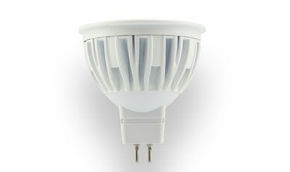
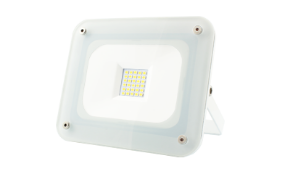
For deck lighting, we recommend professional LED spotlights specifically designed for nautical applications, with certifications for resistance to weathering and salt corrosion.
Neon flex: what they are and why they are superior for nautical applications
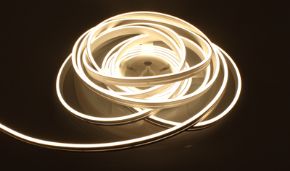
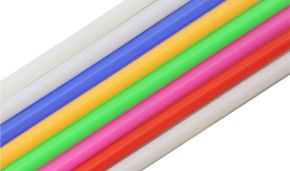
Neon flex, often also called LED neon or silicone LED, are flexible profiles made of high-quality silicone or polyurethane inside which high-density LED chips are integrated. Unlike traditional LED strips, which expose individual light points, neon flex creates a perfectly continuous and uniform line of light, without hot spots or shadow areas. This characteristic is particularly valuable in yacht environments, where light quality and the absence of visual discontinuities are non-negotiable luxury parameters.
The structure of a quality neon flex for nautical applications is engineered to withstand the marine environment: the outer shell in marine-grade polyurethane or silicone (often with IP68 or IP69K certification) is completely airtight, waterproof not only to splashes but also to temporary immersion. UV resistance is exceptional, with materials that do not yellow even after thousands of hours of exposure to direct sun and salt spray. Compared to traditional LED strips, which require aluminum profiles and diffusers to achieve uniform light and adequate protection, neon flex offer an integrated solution that is simpler to install and more reliable over time.
| Characteristic | Traditional LED strip + Profile | Polyurethane neon flex | Neon flex advantage |
|---|---|---|---|
| Light Uniformity | Fair, shows individual light points | Excellent, continuous light without points | +300% in uniformity |
| IP Protection Rating | IP65-IP67 with perfect installation | IP68-IP69K intrinsic | Guaranteed superior protection |
| Mechanical Resistance | Medium, LED chips exposed to impacts | High, chips completely encapsulated | +500% resistance to impacts/vibrations |
| UV/Salt Spray Resistance | Depends on additional materials | Intrinsic to silicone/PU material | Guaranteed no yellowing |
| Minimum Bend Radius | 3-5cm (risks damaging LEDs) | 1-2cm (without risk to components) | +150% installation flexibility |
| Installation in Humid Environments | Requires additional sealants | Ready to use, factory-sealed | 70% reduction in installation time |
Specific applications for yachts where neon flex excel
On modern yachts, neon flex find ideal applications where continuous linear lighting with high aesthetic impact and maximum reliability is required. LED strips, while versatile, show their limits in these scenarios:
Contours and exterior design lines: the yacht's profiles, railings, handrails, and drip lines require continuous lighting that elegantly marks the shapes without interruptions. Neon flex, with their uniform light, create a particularly spectacular "suspended in the void" effect at night, defining the yacht's lines with millimeter precision.
Underwater and at-waterline lighting: this is perhaps the most challenging application and where neon flex demonstrate all their superiority. While LED strips require complex waterproofing and protection systems, neon flex are designed for continuous immersion. They can be installed along the waterline to create spectacular effects that make the yacht appear to float on a halo of light, or even in a submerged configuration to illuminate the water around the hull, increasing nighttime visibility and safety.
Premium interior environments: in salons, cabins, and common areas, neon flex installed in channels or flush with surfaces create superior quality indirect lighting. The total absence of visible light points and the homogeneity of the light source reduce glare and create more refined and comfortable atmospheres, essential on luxury yachts.
Onboard pools, jacuzzis, and beach clubs: in these areas subject to splashes, high humidity, and intensive use, the total waterproofing of neon flex (IP68/IP69K) makes them the only truly safe and long-lasting choice over time. They can be installed poolside, along steps, or as mood lighting in the beach club area without worries about water ingress or short circuits.
Technical considerations for installing neon flex on yachts
Installing neon flex on a yacht requires some specific considerations that differ from traditional LED strips:
Power and control: most neon flex operate at 12V or 24V DC, perfectly compatible with onboard electrical systems. However, given their potential length (up to 30-50 meters continuous without visible junctions) and high light output, it is essential to correctly calculate the cable cross-section to avoid voltage drops that would cause color or brightness differences along the run. For lengths over 10 meters, we recommend powering from both ends (dual-end power) or intermediate power points.
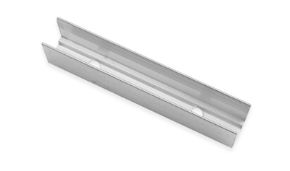
Mechanical fixing: quality neon flex come with fixing clips in A316 (marine-grade) stainless steel or high UV-resistant plastic. Installation on complex curved surfaces (typical of yachts) is simplified by the exceptional flexibility of the material, which can follow curves with radii of just 1-2 centimeters without mechanical stress. For permanent installations, specific marine structural adhesives can be used, but clips remain the preferred solution for ease of maintenance and replacement.
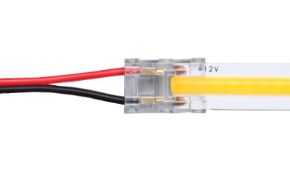
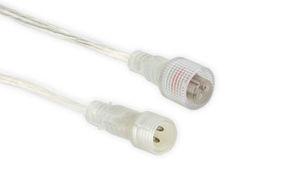
Junctions and connectors: unlike LED strips that can be cut every 5-10 cm, neon flex have predetermined cut points (typically every 50 cm or 1 meter). To connect two segments or create corners, there are special waterproof connectors that maintain aesthetic continuity and IP protection. For 90° angles or specific curves, preformed pieces can be ordered or special connectors used that preserve the system's airtightness.
Maintenance and lifespan: the declared lifespan of high-quality neon flex is 50,000-100,000 hours (L70, i.e., when light output drops to 70% of the initial value), significantly higher than traditional LED strips (30,000-50,000 hours). This translates to 15-30 years of use with an average nautical season of 180 days/year at 8 hours/day. Maintenance is practically non-existent: occasional cleaning with fresh water and a mild detergent to remove salt spray is sufficient to maintain optimal performance.
In conclusion, while LED strips remain an excellent solution for many onboard applications, neon flex and polyurethane neon represent the premium option for continuous linear lighting on yachts. They offer superior light uniformity, intrinsic protection against the marine environment, greater longevity, and an unmatched aesthetic. For the yacht owner seeking maximum quality, reliability, and visual impact, investing in a neon flex system means choosing the most advanced technology available today in the field of nautical linear lighting.
Lighting system design: a fundamental activity
Properly designing the lighting system for a yacht requires specific technical skills and a deep understanding of both functional and aesthetic needs. In this chapter, we will guide you step-by-step through the design process, providing practical tools and proven methodologies.
Analysis of lighting needs: the starting point
Before selecting any product, it is essential to conduct an in-depth analysis of the specific lighting needs of your yacht. This process is articulated in four fundamental phases:
Phase 1 - Space mapping: create a detailed floor plan of each environment, indicating dimensions, heights, surface colors, and presence of relevant architectural elements. For a 30-meter yacht, this phase typically requires 8-12 hours of work.
Phase 2 - Activity identification: for each area, define the main activities that take place there. For example, the main deck might host socialization, dining, reading, and nighttime navigation activities, each with specific lighting requirements.
Phase 3 - Atmosphere definition: establish the different desired lighting atmospheres for each space. The same salon might require functional lighting for cleaning, mood lighting for dinners, and accent lighting to highlight works of art.
Phase 4 - technical assessment: analyze existing infrastructure (cables, transformers, outlets), energy constraints (battery capacity, generator power), and applicable regulations (international nautical regulations).
Lighting calculations: from theory to practice
Once the needs are defined, you can proceed with the actual lighting calculations. These calculations are based on precise physical principles and allow determining exactly how much light is needed in each environment.
The lumen method: scientific lighting calculation
The lumen method is the most used for designing interior lighting. It is based on the following fundamental formula:
Total lumens required = Area (m²) × Desired Illuminance (lux) × Utilization Factor × Maintenance Factor
Let's analyze each component of the formula:
Area (m²): the surface area of the environment to be illuminated. For a salon of 8m × 6m = 48 m².
Desired illuminance (lux): the light intensity needed for the activity performed. Reference values for a yacht are:
| Environment/Activity | Minimum illuminance (lux) | Recommended illuminance (lux) | Premium illuminance (lux) |
|---|---|---|---|
| Wheelhouse (night navigation) | 50 | 100 | 150 |
| Salon (socialization) | 100 | 200 | 300 |
| Cabins (rest) | 50 | 75 | 100 |
| Cabins (reading) | 150 | 300 | 500 |
| External Decks (safety) | 20 | 50 | 75 |
| Diving/Swim Platform Area | 100 | 200 | 300 |
Utilization factor (CU): takes into account the efficiency of the optical system and the reflectance of surfaces. For environments with light walls and efficient optical systems, CU ranges between 0.6 and 0.8.
Maintenance factor (MF): considers the reduction of light over time due to dirt and LED decay. For quality LED systems in a nautical environment, MF is typically 0.7-0.8.
Practical example: calculation for the Main Salon
Suppose we want to illuminate a 48 m² salon on a luxury yacht. The desired illuminance for socialization activities is 250 lux. The walls are in light teak (medium reflectance) and we choose high-quality spotlights.
Applying the formula:
Total Lumens = 48 m² × 250 lux × 0.7 (CU) × 0.75 (MF) = 6,300 lumens
If we choose spotlights of 800 lumens each, we will need:
Number of spotlights = 6,300 lumens / 800 lumens per spotlight = 7.875 → 8 spotlights
To evenly distribute 8 spotlights in a 48 m² salon (8m × 6m), an optimal arrangement could be two rows of 4 spotlights each, with a spacing of about 2 meters between spotlights lengthwise and 2 meters widthwise.
Professional installation: ensuring performance and durability
Installing LED systems on a yacht requires specialized skills and attention to details that can make the difference between a system that lasts years and one that has problems after just a few months. In this chapter, we will provide a complete guide to professional installation, from cables to controls.
Infrastructure preparation: the invisible foundations
Before installing any light point, it is essential to correctly prepare the electrical infrastructure. This phase, often underestimated, represents 80% of the long-term reliability of the system.
Cable selection and installation: details that matter
The choice of cables for a lighting system on a yacht must respect specific regulations and consider the unique operating environment of the sea.
Cable type: only marine cables must be used, recognizable by the designation "Shipboard Cable" or "Marine Grade". These cables have specific characteristics:
• insulation in cross-linked polyethylene (XLPE) or ethylene propylene (EPR) resistant to moisture and salt spray;
• outer sheath in polyurethane or polyvinyl chloride (PVC) resistant to UV and abrasion;
• coloring according to nautical standards (red for +, black for -, yellow/green for ground);
• specific certifications (UL 1426, IEEE 45, CE EN 60092-350);
Cross-section calculation: the cable cross-section must be adequate for the current and length of the run. Using the voltage drop formula:
Cross-Section (mm²) = (2 × Length (m) × Current (A) × Resistivity) / Allowable Voltage Drop
Where:
• resistivity of copper = 0.0175 Ω·mm²/m;
• allowable voltage drop = maximum 3% of nominal voltage (for 12V: 0.36V; for 24V: 0.72V)
Example: To power a 5-meter LED strip that draws 2A at 12V, with a cable length of 8 meters from the power supply:
Cross-Section = (2 × 8m × 2A × 0.0175) / 0.36V = 1.56 mm² → use 1.5 mm² cable (commercial cross-section immediately higher)
| Current (A) | 5m cable length | 10m cable length | 15m cable length | 20m cable length |
|---|---|---|---|---|
| 1A | 0.75 mm² | 0.75 mm² | 1.0 mm² | 1.5 mm² |
| 3A | 1.0 mm² | 1.5 mm² | 2.5 mm² | 4.0 mm² |
| 5A | 1.5 mm² | 2.5 mm² | 4.0 mm² | 6.0 mm² |
| 10A | 2.5 mm² | 6.0 mm² | 10 mm² | 16 mm² |
LED strip installation: millimeter precision
Installing LED strips requires particular attention to detail to ensure a professional and long-lasting result. We will follow the installation process of an LED strip in a typical yacht environment step by step.
Phase 1 - Surface preparation
The surface on which the LED strip will be applied must be:
clean: remove every trace of dust, grease, adhesive residue, or contaminating substances. Use a specific cleaner for surfaces to be bonded, followed by rinsing with distilled water and complete drying;
dry: residual moisture would compromise adhesion. Use a microfiber cloth and, if necessary, a hair dryer at moderate temperature.
smooth and uniform: irregularities greater than 0.5 mm can cause detachment points or damage to the strip. For irregular surfaces, apply a leveling primer first.
dimensionally stable: avoid surfaces that undergo significant thermal expansion or vibrations without an adequate supplementary fixing system.
Phase 2 - LED Strip Application
Quality LED strips come with 3M adhesive on the back. For correct application:
1. progressively remove the protective film of the adhesive while applying the strip, avoiding exposing all the adhesive at once;
2. position the first section of the strip with precision, aligning it with the references marked during the design phase;
3. apply uniform pressure along the entire strip, starting from the application point and proceeding along the path;
4. for tight curves, respect the minimum bend radius specified by the manufacturer (typically 3-5 times the thickness of the strip);
5. at points of greater stress (curves, junctions, near heat sources), apply supplementary mechanical fixing (plastic clips, clamps, special hot glue).
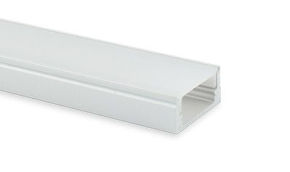
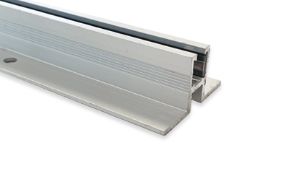
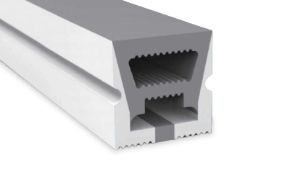
For particularly critical installations or in environments subject to strong vibrations, we recommend using aluminum profiles for LED strips that guarantee optimal heat dissipation and complete mechanical protection.
Intelligent control systems: the soul of modern lighting
Control systems represent the element that transforms a simple set of light points into a true intelligent lighting system. In this chapter, we will explore the most advanced control technologies, from wireless solutions to integrated nautical building automation systems.
Communication protocols: choosing the right technology
The choice of communication protocol for the lighting control system is a strategic decision that will influence for years the possibilities for expansion, integration, and maintenance of the system.
DMX512: the professional for dynamic lighting
The DMX512 protocol (Digital Multiplex 512) is the professional standard for controlling dynamic lighting. Originally developed for the entertainment world, it has found a natural application in the high-level nautical sector.
Technical characteristics:
• digital data transmission on shielded twisted pair cable
• up to 512 channels per universe (each channel controls a parameter: intensity, color, movement, etc.)
• refresh rate: up to 44 Hz (44 updates per second)
• maximum cable length: 500 meters without amplifiers
• topology: linear with termination;
Advantages for yacht applications:
• extremely precise control of every single light point or group
• perfect synchronization of hundreds of devices
• programming of complex scenes with smooth transitions
• integration with audio and video systems
• industrial reliability proven over decades
Typical configuration for a luxury yacht:
| Area | Number of DMX channels | Controlled devices | Preset scenes |
|---|---|---|---|
| Main Deck | 64 | 24 RGBW spotlights, 40m LED strip, 8 wall lights | Morning, Lunch, Cocktail, Dinner, Entertainment, Night |
| Owner's Cabins | 32 | 16 dimmable spotlights, 20m LED strip, 4 lamps | Wake-up, Reading, Rest, Night |
| Exterior Decks | 48 | 20 warm/cool white spotlights, 30m RGB LED strip | Navigation, Docking, Party, Safety |
| Beach Club Area | 24 | 12 underwater spotlights, 15m RGB LED strip | Day, Evening, Underwater, Disco |
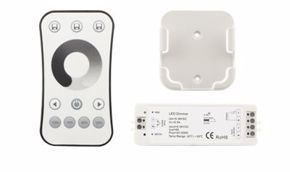
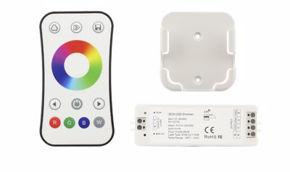
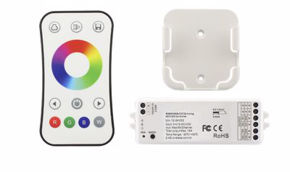
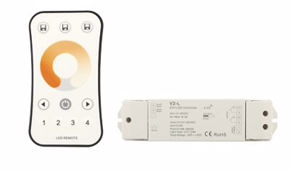
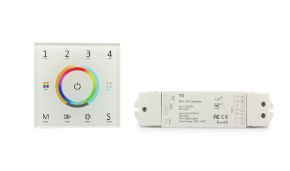
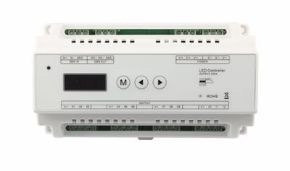
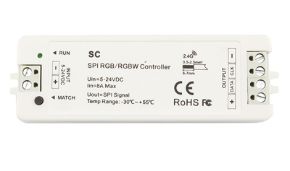
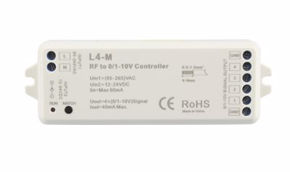
To implement a complete DMX system on your yacht, we recommend starting with a professional LED controller that offers intuitive interfaces and advanced programming possibilities.
Wireless control: freedom without constraints
Wireless systems offer unparalleled installation flexibility, eliminating the need for dedicated control cabling. However, the electromagnetic environment of a yacht presents specific challenges that must be carefully considered.
Wi-Fi and mobile apps: control at your fingertips
Wi-Fi-based systems allow controlling lighting via smartphone, tablet, or computer, without the need for dedicated remote controls.
System architecture:
1. Wi-Fi gateway: central device that converts Wi-Fi network commands into signals for LED devices (typically via DALI, 0-10V, or PWM);
2. onboard router: provides the Wi-Fi network to which control devices connect;
3. mobile app: user interface for lighting control;
4. LED devices: equipped with receivers compatible with the control system.
Technical considerations for the nautical environment:
• electromagnetic interference: engines, generators, and onboard radio equipment can generate interference that compromises the stability of wireless connections;
• signal coverage: the metallic structure of the yacht and the numerous bulkheads can hinder Wi-Fi signal propagation;
• security: the control network must be isolated from the yacht's main data network to prevent unauthorized access;
• energy consumption: Wi-Fi devices in constant listening mode consume more energy than wired solutions.
Maintenance and troubleshooting: ensuring optimal performance over time
A correctly designed and installed LED lighting system requires minimal but well-planned maintenance. In this chapter, we will provide a complete maintenance schedule and a systematic troubleshooting guide to quickly resolve any problem.
Preventive maintenance schedule: the key to longevity
Preventive maintenance is the set of scheduled interventions that prevent failures and degradation before they occur. For a yacht lighting system, we recommend the following schedule:
Daily maintenance (to be performed during yacht use)
• quick visual inspection: verify that all light points work correctly;
• cleaning of transparent surfaces: remove dust, fingerprints, and water splashes from fixtures, spotlights, and protections;
• temperature verification: check that no light point feels excessively hot to the touch.
Weekly maintenance (during the nautical season)
• thorough cleaning of diffusers: use a microfiber cloth and specific cleaner for optical surfaces;
• connection verification: check that connectors and junctions are dry and free of oxidation;
• test of preset scenes: verify that all lighting scenes are accessible and work correctly;
• control system check: test all interfaces (panels, apps, remote controls).
Monthly maintenance (during the nautical season)
• cooling fan cleaning (if present): remove dust and residues that could obstruct airflow;
• watertight seal verification: check gaskets and seals, especially for devices installed outside;
• voltage measurement: verify that all devices receive the correct voltage (±5% of nominal value);
• energy consumption analysis: compare current consumption with reference values to identify anomalies.
Seasonal maintenance (at the beginning and end of the nautical season)
• complete inspection of all components: verify absence of damage, corrosion, or degradation;
• printed circuit board cleaning: use electronics cleaning spray and anti-static brushes;
• replacement of wear components: gaskets, adhesives, fixing clips;
• firmware update: install the latest software versions for controllers and intelligent devices;
• updated documentation: record all maintenance performed and modifications made to the system.
Solving problems step by step
Despite preventive maintenance, problems can occasionally occur. A systematic approach to troubleshooting allows quickly identifying the cause and applying the correct solution.
Problem: LED strip not lighting up
Follow this step-by-step procedure:
Step 1 - Power supply verification
1. check that the power supply is connected to the grid and the switch is on;
2. measure the output voltage from the power supply: must be 12V ±5% or 24V ±5% depending on the strip;
3. if the voltage is absent or out of tolerance, replace the power supply.
Step 2 - LED strip verification
1. visually inspect the entire length of the strip for physical damage or burn points;
2. verify that there are no loose or oxidized connections;
3. connect the strip directly to a known-working power supply (bypassing controller and dimmer).
Step 3 - Control components verification
1. test the LED controller with a known-working load;
2. verify the controller settings (intensity, channels, scenes);
3. check that there are no short circuits or overloads in the system;
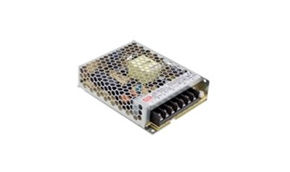
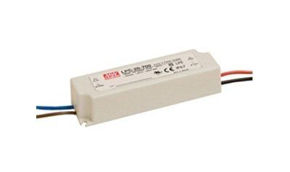
To quickly resolve power issues, we recommend always having spare LED power supplies compatible with your system on board.
Trends and future innovations: the tomorrow of nautical lighting
The yacht lighting sector is constantly evolving, with innovations promising to further revolutionize the onboard experience. In this final chapter, we will explore emerging trends and technologies that will define nautical lighting in the coming years.
Adaptive and context-aware lighting: artificial intelligence on board
Next-generation lighting systems will not be limited to responding to manual commands but will be able to automatically adapt to the context, ongoing activities, and even the moods of the occupants.
Bio-adaptive systems: synchronization with circadian rhythms
Bio-adaptive lighting automatically regulates the color and intensity of light based on the time of day, supporting the natural circadian rhythms of the occupants. This approach is based on decades of chronobiology research and offers measurable benefits:
Morning (06:00-09:00): cool, high-intensity light (5000-6500K, 300-500 lux) that suppresses melatonin and promotes alertness
Day (09:00-17:00): neutral light with variable intensity (4000-5000K, 200-400 lux) that supports concentration and productivity
Evening (17:00-21:00): warm light at medium intensity (2700-3000K, 100-200 lux) that promotes relaxation and socialization
Night (21:00-06:00): very warm light at very low intensity (1800-2200K, 5-20 lux) that minimizes interference with sleep
A 2023 study conducted by nautical research institute demonstrated that on yachts equipped with bio-adaptive lighting:
| Parameter | Improvement | Measurement method | Statistical significance |
|---|---|---|---|
| Sleep Quality | +23% | Actigraphy + PSQI questionnaires | p < 0.01 |
| Daytime Alertness | +18% | Psychomotor performance tests | p < 0.05 |
| Incidence of Seasickness | -31% | Onboard logs + MSSQ scale | p < 0.01 |
| General Satisfaction | +27% | 7-point Likert scales | p < 0.001 |
Innovative materials and sustainability: the future is green
Sustainability is becoming an increasingly important factor in the design and choice of lighting systems for yachts. Innovations in this field concern not only energy efficiency but also materials, production processes, and product end-of-life.
Organic LEDs (OLEDs): when light becomes a surface
Organic Light-Emitting Diodes (OLEDs) represent the next frontier of solid-state lighting. Unlike traditional LEDs which are point sources, OLEDs are extended sources that emit uniform light from entire surfaces.
Distinctive characteristics of OLEDs:
• extended, uniform light source, without high luminance points that cause glare;
• extremely reduced thickness (as thin as a sheet of paper);
• mechanical flexibility: can be curved or even rolled;
• transparency: some types of OLEDs are transparent when off;
• rapidly improving efficiency: currently 60-80 lm/W, expected 150+ lm/W by 2026.
Innovative applications for yachts:
• luminous walls: entire walls that become diffused light sources when needed;
• smart windows: that become opaque during the day and emit light in the evening;
• luminous furniture: tables, headboards, furniture that integrate lighting without dead spaces;
• interactive nautical charts: surfaces that show information and maps with uniform backlighting.
According to nautical research center forecasts, by 2028, 35% of new yachts over 40 meters will integrate OLED systems in at least one significant area, growing to 65% by 2033.
Yachts and LEDs: lighting the future of the nautical world
Your yacht's lighting is no longer a functional accessory but a fundamental element that defines the onboard experience, affects safety, determines energy consumption, and expresses your personal style. The LED revolution, combined with intelligent control systems and advanced lighting design, has created possibilities that were unimaginable just a few years ago.
Investing in a state-of-the-art lighting system for your yacht means:
- concretely improving the quality of life onboard: through lighting that adapts to activities, times, and desired atmospheres;
- significantly reducing operating costs: with energy savings that can exceed €2,000-€5,000 per year depending on the yacht's size;
- increasing the vessel's value: a modern, well-designed lighting system is an important valuation factor in the used yacht market;
- ensuring greater safety: through optimal lighting that prevents accidents and facilitates operations in every condition;
- expressing your personality: with practically unlimited customization possibilities that transform the yacht into an extension of your lifestyle.
Starting today on the path to perfect lighting for your yacht is simpler than it might seem. Start with professional consultation, define your specific needs, and choose quality products designed specifically for the nautical environment. The team of experts at Ledpoint is available to guide you through every phase of this transformational journey.
The sea awaits you, and now you can sail it in a completely new light.