







Le wall washing représente l'une des techniques d'éclairage architectural les plus raffinées et recherchées dans le panorama du lighting design contemporain : il consiste à projeter de la lumière de manière homogène et continue sur une surface verticale, transformant chaque mur en un élément visuel autonome, d'un grand impact esthétique et fonctionnel.
Grâce à l'évolution technologique des bandes LED et des profilés en aluminium dédiés, il est aujourd'hui possible d'obtenir des effets de wall washing de qualité professionnelle même dans des contextes résidentiels, commerciaux et muséaux, avec une consommation énergétique considérablement réduite par rapport aux technologies traditionnelles. Ce guide explore tous les aspects du wall washing avec LED : de la signification et de l'histoire de la technique, aux typologies de produits disponibles, aux modalités d'installation, jusqu'aux innovations les plus récentes dans le secteur, avec des références directes aux meilleurs produits disponibles.
Wall washing : définition, signification et traduction
Avant d'aborder les aspects techniques et de conception, il est essentiel de clarifier ce que l'on entend exactement par le terme wall washing et d'où provient cette expression si répandue dans le monde du lighting design international.
Signification de wall washer et traduction en italien
Le wall washer, traduit littéralement de l'anglais, signifie « laveur de murs » ou « baigneur de murs ». En réalité, dans le langage technique de l'éclairage, le terme wall washing désigne une technique d'éclairage qui baigne une surface verticale avec une lumière uniforme et continue, de la même manière que l'eau s'écoulerait uniformément le long d'un mur. Le wall washer est donc cette source lumineuse, lampe, projecteur ou bande LED, qui projette de la lumière de manière uniforme sur un mur, en évitant les zones d'ombre et de lumière, les cônes de lumière concentrés ou les effets de points chauds.
Pour le wall washer, la définition technique la plus complète est la suivante : le wall washing est une technique d'éclairage architectural et décoratif dans laquelle la source lumineuse est positionnée parallèlement à la surface à éclairer (plafond, sol, mur opposé) à une distance calibrée, de sorte que le faisceau lumineux se distribue de manière homogène sur toute la hauteur et la largeur de la surface verticale, créant un gradient lumineux progressif et sans discontinuités visibles.
Dans ses acceptions les plus modernes, le terme wall washing comprend à la fois les installations avec des appareils dédiés (projecteurs, spots encastrés au plafond) et les installations avec des bandes LED logées dans des profilés en aluminium, qui représentent aujourd'hui la solution la plus polyvalente, efficace et professionnelle pour obtenir cet effet lumineux dans des contextes tant résidentiels que commerciaux.
Qu'est-ce que l'effet wall wash et qu'est-ce que l'effet wall washer ?
L'effet wall wash est le résultat visuel produit par cette technique : le mur apparaît « éclairé de l'intérieur », avec une distribution de lumière douce et sans ombres dures, qui valorise les matériaux, les finitions et la structure architecturale de la surface. L'effet wall washer, en revanche, se réfère spécifiquement à l'effet produit par l'utilisation d'appareils conçus à cet effet (wall washer proprement dits), qui ont des optiques asymétriques concentrant le faisceau lumineux vers le mur plutôt que vers le centre de la pièce.
Il est important de distinguer les deux concepts : l'effet wall wash peut être obtenu avec différents types de sources lumineuses (bandes LED, projecteurs, plafonniers de bord de mur), tandis que l'effet wall washer est spécifiquement produit par des lampes ou appareils avec optique asymétrique conçue pour le wall washing professionnel. Dans la pratique contemporaine, les bandes LED dans des profilés en aluminium permettent d'obtenir les deux effets avec une grande flexibilité et un contrôle du résultat final.
En synthèse : le wall washing est la technique, le wall washer est l'appareil, l'effet wall wash est le résultat esthétique. Les trois termes décrivent des aspects différents du même système d'éclairage, et tous font référence au même objectif : transformer une surface verticale en un élément lumineux uniforme, d'une grande valeur esthétique et fonctionnelle.
Le mot « washed » dans l'éclairage : un mur « lavé » de lumière
La métaphore du « lavage » (washing) est particulièrement efficace car elle évoque l'idée d'une surface inondée de lumière de manière uniforme et continue, sans interruptions ni accumulations, tout comme l'eau lave une surface en s'écoulant uniformément sur celle-ci. Un mur « washed » (lavé) est donc un mur qui apparaît complètement enveloppé de lumière, sans points chauds, sans ombres dures, avec un effet de luminosité diffuse et pervasive qui modifie significativement la perception de l'espace et de l'environnement.
Cette technique, née dans le contexte de la scénographie théâtrale et cinématographique, s'est ensuite diffusée dans l'éclairage architectural des musées, galeries d'art, hôtels de luxe, boutiques haut de gamme, et enfin, grâce à la révolution LED, a atteint le marché résidentiel et commercial de masse, devenant accessible à quiconque souhaite valoriser les espaces avec des effets lumineux professionnels et d'un grand impact.
Histoire et évolution du wall washing dans l'éclairage architectural
Comprendre les origines du wall washing est fondamental pour en apprécier la profondeur technique et culturelle, et pour comprendre pourquoi cette technique est devenue un standard absolu dans la conception d'éclairage professionnel contemporain.
Des origines théâtrales à l'architecture moderne
Le concept de laver une surface avec de la lumière naît dans le contexte du théâtre et de la scénographie. Dès les années 20 et 30 du XXe siècle, les lighting designers théâtraux utilisaient des projecteurs avec des filtres colorés pour éclairer uniformément les fonds scénographiques, créant des atmosphères chromatiques et spatiales qui transcendaient les limites physiques de la scène. Cette approche, la lumière comme outil pour transformer la perception d'une surface, est le précurseur direct du wall washing architectural moderne.
Dans les années 50 et 60, avec la diffusion des lampes fluorescentes linéaires, les concepteurs ont commencé à adopter le principe du wall washing également dans l'architecture d'intérieur, en particulier dans les espaces commerciaux, les bureaux et les musées. Les premières installations de wall washing architectural étaient caractérisées par des sources fluorescentes cachées dans des corniches de plafond ou dans des niches creusées dans la structure, avec des réflecteurs conçus pour distribuer la lumière de manière uniforme vers le mur.
Le tournant des années 80 et 90 : les projecteurs halogènes
Avec la diffusion des projecteurs halogènes à haute intensité, le wall washing est devenu un outil privilégié de l'éclairage des galeries d'art, musées et espaces d'exposition. Les projecteurs avec optiques asymétriques, les véritables ancêtres des wall washer LED actuels, permettaient d'éclairer des œuvres d'art, des peintures et des surfaces architecturales avec une qualité lumineuse excellente (CRI élevé, température de couleur calibrée) mais avec une consommation énergétique élevée et une maintenance coûteuse.
À cette époque s'affirme la distinction entre wall washing et wall grazing, deux techniques complémentaires mais aux effets radicalement différents, et se développe une véritable discipline du lighting design, avec des normes techniques, des logiciels de simulation et des figures professionnelles spécialisées.
La révolution LED : le wall washing devient démocratique
L'avènement des technologies LED, à partir du milieu des années 2000, a radicalement transformé le marché du wall washing. Les bandes LED à haute densité, associées à des profilés en aluminium avec optiques intégrées, ont rendu possible l'obtention d'effets de wall washing professionnel avec des coûts considérablement réduits, une consommation énergétique inférieure de 80 % par rapport à l'halogène et une flexibilité d'installation sans précédent.
Aujourd'hui, en 2025, les bandes LED de dernière génération atteignent des efficacités lumineuses supérieures à 200 lm/W, avec des indices de rendu des couleurs (CRI) jusqu'à Ra 97, des températures de couleur variables de 2700K à 6500K, et une durée de fonctionnement supérieure à 50 000 heures. Ces paramètres permettent des applications de wall washing de qualité muséale même dans des contextes résidentiels et commerciaux, avec un ROI (retour sur investissement) extrêmement compétitif par rapport aux technologies traditionnelles.
Comment fonctionne le wall washing : principes physiques et optiques
Pour concevoir et installer correctement un système de wall washing, il est nécessaire de comprendre les principes physiques qui régissent la distribution de la lumière sur une surface verticale. Cette section explore en détail la photométrie du wall washing, les courbes de distribution lumineuse, et les paramètres qui déterminent la qualité du résultat final.
Le principe de distribution uniforme de la lumière
Le wall washing repose sur la loi du cosinus de Lambert et sur les principes de l'optique géométrique pour distribuer le flux lumineux de manière uniforme sur une surface verticale. Contrairement à un spot ou à un projecteur traditionnel, qui concentre la lumière en un point créant un cône lumineux bien défini avec un gradient de luminosité du centre vers les bords, le wall washer utilise des optiques asymétriques ou des diffuseurs linéaires qui redistribuent le flux lumineux sur toute la longueur et la hauteur de la surface à éclairer.
Dans le cas des bandes LED installées dans des profilés avec optique dédiée, la distribution uniforme est obtenue grâce à la combinaison de trois éléments : la linéarité de la source (la bande LED produit une lumière continue sur toute sa longueur), l'optique du profilé (le diffuseur ou le réflecteur interne dirige la lumière vers le mur avec l'angle souhaité), et la distance par rapport au mur (paramètre critique qui détermine l'uniformité du gradient lumineux).
La photométrie du wall washing : éclairement, luminance et uniformité
Les paramètres photométriques fondamentaux pour concevoir un système de wall washing professionnel sont :
| Paramètre | Définition | Unité de mesure | Valeurs typiques pour le wall washing |
|---|---|---|---|
| Éclairement (E) | Quantité de lumière tombant sur une surface | lux (lx) | 200–1000 lx (en fonction de l'application) |
| Luminance (L) | Lumière réfléchie par la surface vers l'observateur | candela/m² (cd/m²) | Dépend du coefficient de réflexion du mur |
| Uniformité (U0) | Rapport entre l'éclairement minimum et moyen | adimensionnel (0–1) | ≥ 0,6 pour un wall washing professionnel |
| Rapport d'uniformité (Ur) | Rapport entre l'éclairement minimum et maximum | adimensionnel (0–1) | ≥ 0,4 pour un wall washing de qualité |
| Gradient vertical | Variation de l'éclairement le long de la hauteur du mur | % | Maximum 30 % pour un effet équilibré |
| CRI (Ra) | Indice de rendu des couleurs | adimensionnel (0–100) | ≥ 80 pour usage commercial ; ≥ 90 pour musées et art |
Source : élaboration interne sur les normes UNI EN 12464-1:2021 et les lignes directrices IESNA pour l'éclairage architectural.
Comment fonctionne un wall washer LED : l'optique asymétrique
La clé du fonctionnement d'un wall washer LED est l'optique asymétrique : contrairement à un spot traditionnel qui distribue la lumière symétriquement autour de l'axe vertical, le wall washer LED a une optique qui concentre presque tout le flux lumineux d'un côté, vers le mur, avec une distribution calibrée de manière à compenser la réduction de l'éclairement due à la loi du cosinus (la lumière arrivant avec un angle oblique sur une surface est moins efficace que celle arrivant perpendiculairement).
Dans le cas des bandes LED installées dans des profilés avec diffuseur opalin ou lentille dédiée, cet effet est obtenu grâce à :
- le positionnement oblique de la bande dans le canal du profilé (angulation de la source par rapport au mur) ;
- l'utilisation de diffuseurs avec angle d'émission contrôlé (typiquement 30°–60° pour le wall washing) ;
- l'emploi de réflecteurs internes au profilé qui dirigent et redistribuent le flux lumineux ;
- le choix de bandes LED avec angle d'émission de la puce optimisé (puces avec angle 120° ou lentilles primaires narrow pour réduire la dispersion latérale)
Comment fonctionne un mur LED : la différence entre wall washing et mur LED
Il est important de ne pas confondre le concept de mur LED (ou ledwall) avec celui de wall washing LED. Le mur LED (ou ledwall) est un grand panneau d'affichage composé de modules LED, utilisé pour l'affichage d'images, de vidéos et de contenus graphiques dans des contextes comme les événements, les foires, les studios de télévision et les espaces publics. Le mur LED est donc un dispositif d'affichage, non un système d'éclairage, et le terme « mur » se réfère au mur de LED qui compose l'écran, non au mur de l'environnement éclairé.
Le wall washing avec bandes LED, au contraire, est un système d'éclairage qui utilise les bandes LED comme sources lumineuses pour éclairer un mur (et non pour afficher des images). La confusion entre les deux concepts est fréquente chez les utilisateurs non techniques, mais dans le langage professionnel de l'éclairage architectural, les deux termes indiquent des technologies et des applications complètement différentes.
Wall washing vs wall grazing vs spotlight : les différences fondamentales
Dans le panorama du lighting design architectural, trois techniques sont souvent citées et comparées : le wall washing, le wall grazing et l'éclairage avec spotlight (spots directionnels). Comprendre les différences entre ces techniques est fondamental pour choisir la solution la plus adaptée à chaque contexte et objectif esthétique.
Wall washing : lumière uniforme pour valoriser la surface
Comme nous l'avons vu, le wall washing vise à éclairer uniformément toute la surface verticale, en éliminant les ombres et en créant un effet de lumière diffuse et homogène. La source lumineuse est positionnée à distance du mur (typiquement entre 30 cm et 100 cm, selon la hauteur à éclairer) et le faisceau lumineux est calibré pour couvrir toute la hauteur avec un gradient progressif et sans discontinuités visibles.
Le wall washing est particulièrement efficace sur des surfaces planes, lisses ou à texture uniforme : murs enduits, revêtus de matériaux lisses (placo, panneaux phoniques), ou avec des finitions peintes. Il n'est pas adapté pour valoriser des textures marquées ou des matériaux avec relief prononcé, pour lesquels le wall grazing est nettement plus indiqué.
Wall grazing : lumière rasante pour accentuer les textures
Le wall grazing (ou wall grazer) est une technique diamétralement opposée au wall washing : la source lumineuse est positionnée très près du mur (à 5–15 cm de la surface), de sorte que la lumière « rase » la surface avec un angle très aigu (presque parallèle au mur). Cela produit des ombres dramatiques qui accentuent les textures, les irrégularités et les reliefs de la surface, créant un effet tridimensionnel et scénographique d'un grand impact.
Le wall grazing est le choix idéal pour des matériaux comme la brique apparente, la pierre naturelle, le bois à veinure marquée, le béton brut, l'enduit grossier, les mosaïques et toute surface à texture ou relief prononcé. L'effet est d'une grande qualité théâtrale et architecturale, mais requiert une précision dans l'installation et une surface adéquate pour produire des résultats optimaux.
| Caractéristique | Wall washing | Wall grazing | Spotlight |
|---|---|---|---|
| Distance du mur | 30–100 cm | 5–15 cm | Variable (dépend de l'optique) |
| Angle du faisceau | Large (40°–90°) | Étroit et rasant (<20°) | Variable (spot 10°–flood 60°) |
| Effet visuel | Lumière uniforme et diffuse | Ombres dramatiques et texture accentuée | Cône de lumière concentré |
| Surfaces idéales | Surfaces lisses et uniformes | Matériaux à texture et relief | Objets, œuvres d'art, points focaux |
| Perception de l'espace | Élargissement visuel, luminosité | Tridimensionnalité, profondeur | Focus, hiérarchie visuelle |
| Bande LED adaptée | Haute densité, angle large | Haute densité, angle étroit ou 120° | Non typiquement utilisée |
| Profilé LED idéal | Profilé au plafond ou au sol | Profilé affleurant au mur (micro-profilé) | Non applicable |
| Effet d'ombres dures | Absent (objectif : uniformité) | Présent (objectif esthétique) | Présent (dépend de l'optique) |
Qu'est-ce qui change entre wall wash et graze : la synthèse pour professionnels
La différence fondamentale entre wall washing et wall grazing réside dans la distance par rapport au mur et dans l'angle d'incidence de la lumière. Le wall washing utilise des distances plus grandes et des angles plus larges pour obtenir l'uniformité, le wall grazing utilise des distances minimales et des angles rasants pour accentuer les textures. Un concepteur d'éclairage expérimenté sait quand appliquer chaque technique et, surtout, sait comment les combiner : par exemple en utilisant le wall grazing pour un mur en briques et le wall washing pour le mur opposé en placo, créant un dialogue lumineux d'une grande finesse entre les deux éléments architecturaux.
Dans le contexte des bandes LED, les deux techniques sont réalisables avec les mêmes produits (bandes LED à haute densité), simplement en variant la typologie de profilé en aluminium et la distance d'installation par rapport au mur. Cette polyvalence est l'un des plus grands avantages des bandes LED par rapport aux appareils dédiés traditionnels.
Flood light vs wall washer : une autre distinction importante
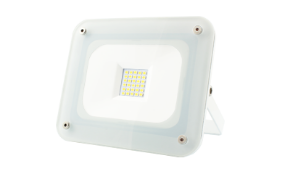
Une question fréquente dans les contextes professionnels est de savoir si les projecteurs flood sont meilleurs que les spots muraux. La réponse dépend de l'application. Les projecteurs flood (flood lights) ont un angle d'émission large (généralement 60°–120°) et sont conçus pour éclairer de grandes zones ou surfaces de manière générale, sans optiques asymétriques spécifiques pour le wall washing. Les wall washer proprement dits ont en revanche des optiques asymétriques calibrées pour distribuer la lumière uniformément sur des surfaces verticales, avec un meilleur contrôle du gradient lumineux et moins de pertes par dispersion latérale.
Pour des applications de wall washing professionnel, les wall washer spécifiques ou les bandes LED dans des profilés dédiés sont toujours supérieurs aux simples flood light, tant en termes de qualité du résultat esthétique, qu'en termes d'efficacité énergétique (moindre dispersion du flux lumineux dans des directions non utiles).
Bandes LED pour wall washing : le produit adapté à chaque besoin
Les bandes LED représentent aujourd'hui la solution la plus polyvalente, efficace et professionnelle pour réaliser des systèmes de wall washing de qualité. La gamme de produits disponibles sur le marché est très vaste, et choisir la bande LED adaptée à une application de wall washing requiert une connaissance approfondie des paramètres techniques fondamentaux.
Paramètres fondamentaux des bandes LED pour wall washing
Densité des LED (LED/mètre)
La densité des LED par mètre est le paramètre le plus critique pour le wall washing : elle détermine la continuité et l'uniformité de la lumière produite par la bande. Pour des applications de wall washing professionnel, on recommande des bandes avec au moins 60 LED/m, mieux si 120 LED/m ou plus. Les bandes à faible densité (30 LED/m) produisent un effet pointillé visible même à travers le diffuseur du profilé, compromettant l'uniformité de l'éclairage sur le mur.
- 30 LED/m : adaptée pour rétroéclairage et usage décoratif, déconseillée pour wall washing professionnel ;
- 60 LED/m : acceptable pour wall washing dans des applications résidentielles avec profilé diffuseur opalin ;
- 120 LED/m : excellente pour wall washing professionnel, garantit une uniformité excellente ;
- 240 LED/m et plus (COB/DOB) : qualité muséale, source visuellement continue, idéale pour exigences premium.
Puissance (W/m)
La puissance par mètre détermine le flux lumineux produit par la bande et doit être dimensionnée en fonction de la hauteur du mur à éclairer et de l'éclairement cible. Des valeurs indicatives pour le wall washing sont celles rapportées dans le prochain tableau.
| Hauteur du mur | Puissance bande LED recommandée | Notes |
|---|---|---|
| Jusqu'à 2,2 m | 7–12 W/m | Résidentiel standard |
| 2,2–3,0 m | 12–18 W/m | Résidentiel premium / commercial |
| 3,0–4,0 m | 18–24 W/m | Commercial / espaces publics |
| Au-delà de 4,0 m | 24 W/m ou double bande | Architectural / haute intensité |
Tension d'alimentation
Les bandes LED pour wall washing sont disponibles principalement en 12V et 24V DC, avec certaines solutions à 48V pour des applications à haute puissance ou pour des runs longs sans alimentateurs intermédiaires. La tension de 24V est généralement préférable pour le wall washing car elle permet des runs plus longs (jusqu'à 10–15 m sans problèmes de chute de tension), réduit les pertes résistives et permet des alimentateurs plus compacts et efficaces.
CRI (Indice de rendu des couleurs)
Le CRI ou Ra est le paramètre qui mesure la capacité de la source lumineuse à restituer les couleurs des objets éclairés de manière fidèle par rapport à la lumière naturelle (Ra 100). Pour le wall washing :
- CRI ≥ 80 : minimum acceptable pour usage commercial
- CRI ≥ 90 : recommandé pour magasins, hôtels, espaces de représentation
- CRI ≥ 95–97 : indispensable pour musées, galeries d'art, studios photo, expositions de mode
Bande LED professionnelle pour wall washing — Ledpoint.it
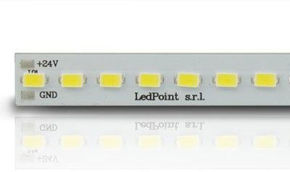
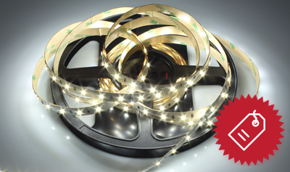
Dans la catégorie bandes LED vous trouverez la gamme complète de bandes LED à haute densité et haut CRI pour applications de wall washing professionnel. Disponibles en version monochromatique blanc chaud (2700K–3000K), blanc neutre (4000K), blanc froid (6000K) et CCT tunable (température de couleur variable), avec des puissances de 7,2 W/m à 24 W/m et CRI jusqu'à Ra 97.
Bandes LED COB pour wall washing : la nouvelle frontière
Les bandes LED COB (Chip On Board) représentent l'évolution la plus avancée dans le domaine des bandes LED pour wall washing. Dans ces bandes, les puces LED ne sont pas montées sur des supports séparés mais directement sur le substrat flexible, avec une densité très élevée (de 480 à plus de 700 puces/m) qui produit une source lumineuse visuellement continue, sans points ni discontinuités même avec le profilé dépourvu de diffuseur.
Les bandes COB pour wall washing offrent :
- une uniformité excellente même à distance rapprochée (idéales pour wall grazing)
- une absence totale de l'effet « pointillé » visible
- un CRI typiquement supérieur à Ra 90, avec des versions premium jusqu'à Ra 97
- une température de couleur extrêmement stable sur toute la longueur
- des dimensions très réduites (largeur typique 8–10 mm) qui favorisent l'intégration dans des micro-profilés
Bandes LED COB
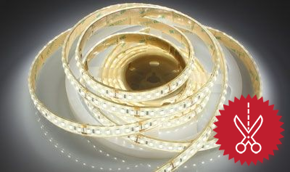
Les COB sont utilisées pour des applications de wall washing et wall grazing de très haute qualité. La source continue garantit une uniformité photométrique parfaite sur toute surface verticale, même dans les installations les plus exigeantes.
Bandes LED RGBW et CCT tunable pour wall washing chromatique
Outre les bandes LED blanches pour le wall washing standard, il existe des solutions avancées qui permettent de varier à la fois la couleur et la température de couleur de l'éclairage, ouvrant à des scénarios créatifs d'un grand impact :
Les bandes RGBW (Red, Green, Blue, White) combinent des LED colorées avec des LED blanches de haute qualité, permettant de produire n'importe quelle couleur du spectre visible en plus de la lumière blanche. Utilisées pour un wall washing chromatique dans des locaux, événements, installations artistiques et façades architecturales, ces bandes permettent de changer complètement le caractère visuel d'un espace avec une simple variation de la couleur de la lumière.
Les bandes CCT tunable dual white permettent en revanche de varier la température de couleur de la lumière blanche (typiquement de 2700K à 6500K) en maintenant un flux lumineux constant. Cette fonction est précieuse pour des environnements multifonctionnels où le wall washing doit s'adapter à différentes activités et moments de la journée : lumière chaude et enveloppante le soir, lumière neutre ou froide pendant le travail.
Profilés LED : le cœur technique du wall washing professionnel
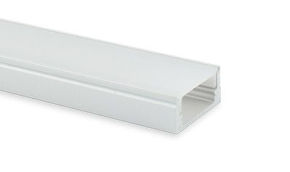
Si les bandes LED sont le « moteur » du wall washing, les profilés en aluminium pour bandes LED sont le cœur technique de l'ensemble du système : ils déterminent la qualité optique du résultat, protègent la bande LED, prolongent sa durée de vie grâce à la dissipation thermique, et définissent l'esthétique de l'installation dans le contexte architectural. Une bande LED de qualité excellente dans un profilé inadapté produit des résultats médiocres ; une bande LED de bonne qualité dans le bon profilé peut produire des résultats de niveau professionnel. Le choix du profilé est donc aussi important que le choix de la bande LED elle-même.
Fonctions du profilé LED dans le système de wall washing
Le profilé LED remplit de multiples fonctions dans le système de wall washing :
- fonction optique : le profilé, à travers le diffuseur ou les optiques intégrées, modifie la distribution du flux lumineux produit par la bande, en l'optimisant pour le wall washing (réduction du point lumineux direct, uniformisation de la source, éventuelle angulation du faisceau vers le mur) ;
- fonction thermique : l'aluminium du profilé sert de dissipateur thermique, abaissant la température de jonction des puces LED et augmentant la durée de vie de la bande ;
- fonction esthétique : le profilé définit l'aspect extérieur de l'installation, en s'intégrant avec l'architecture de l'environnement ;
- fonction protectrice : le profilé protège la bande LED des chocs, de la poussière, de l'humidité (en combinaison avec des cover spécifiques) et d'éventuels contacts accidentels ;
- fonction structurelle : le profilé sert de support rigide pour la bande LED flexible, permettant des installations parfaitement rectilignes et précises.
Typologies de profilés LED pour wall washing
Profilés de plafond (ceiling mount) pour wall washing vertical
Les profilés LED de plafond sont la typologie la plus utilisée pour le wall washing vertical en contexte résidentiel et commercial. Ils sont installés au plafond, près de la jonction entre plafond et mur à éclairer, avec la bande LED orientée vers le bas et vers le mur. La distance par rapport au mur, déterminante pour la qualité du wall washing, doit être calibrée en fonction de la hauteur du mur et de la puissance de la bande.
Dans cette configuration, le profilé LED doit avoir :
- un canal interne suffisamment large pour accueillir la bande LED (largeur minimale 12 mm pour bandes standard, 14–16 mm pour bandes à haute puissance) ;
- un diffuseur avec angle d'émission optimisé (typiquement 60°–90° pour une distribution équilibrée) ;
- un système de fixation au plafond permettant le réglage de l'angle d'installation (important pour optimiser le faisceau vers le mur) ;
- une esthétique épurée et minimale qui s'intègre avec le faux-plafond ou avec la structure architecturale.
Profilés de sol (floor mount) pour wall washing depuis le bas
Les profilés LED de sol, ou encastrés au sol, produisent un wall washing du bas vers le haut, avec un effet esthétique complètement différent par rapport à l'éclairage depuis le haut : la lumière rasant le mur depuis le bas crée une sensation de chaleur, d'intimité et de dramaturgie qui valorise le matériau du mur de manière unique. Cette solution est particulièrement efficace pour des murs en pierre, bois, briques apparentes, mais aussi pour des murs lisses lorsque l'on souhaite un effet scénographique d'un grand impact.
Profilés encastrés au mur (wall recessed) pour wall washing intégré
Les profilés LED encastrés au mur (dits aussi profilés wall-recessed ou micro-profilés de mur) sont installés directement dans le mur, dans une rainure creusée dans l'enduit ou le revêtement, et dirigent la lumière vers le mur adjacent ou vers le bas/haut, produisant des effets de wall washing horizontal ou d'éclairage de rampes, escaliers et bords architecturaux. Cette solution offre l'intégration architecturale maximale : la source lumineuse est complètement cachée à l'intérieur du mur, et la lumière émerge d'une fine fente presque invisible.
Profilés pour faux-plafonds et niches architecturales
Une des solutions les plus élégantes pour le wall washing est l'installation de bandes LED dans des profilés cachés à l'intérieur de niches architecturales creusées dans le faux-plafond ou dans les étagères en placo. Dans cette configuration, la bande LED n'est pas visible par l'observateur, et la lumière émerge de derrière le bord de la niche, « lavant » le mur avec un effet doux et enveloppant qui apparaît presque magique : le mur semble s'illuminer tout seul, sans que soit visible aucune source lumineuse.
Cette technique, extrêmement populaire dans l'interior design contemporain, requiert une conception attentive de la profondeur et de l'angulation de la niche, de la distance entre la bande et le bord de la niche, et de la puissance de la bande en fonction de la hauteur à éclairer. Une erreur de conception fréquente est de sous-dimensionner la profondeur de la niche, avec pour résultat que la bande LED reste visible depuis la position des yeux de l'observateur, annihilant l'effet de dissimulation.
Matériaux et finitions des profilés LED
Les profilés LED pour wall washing sont presque universellement réalisés en aluminium extrudé, le matériau le plus adapté pour les caractéristiques suivantes :
- haute conductivité thermique : l'aluminium conduit la chaleur produite par les puces LED loin de la jonction, abaissant la température de fonctionnement et augmentant la durée de vie de la bande ;
- légèreté : poids réduit facilite l'installation au plafond et réduit la charge structurelle ;
- usinabilité : l'aluminium extrudé peut être coupé avec une précision millimétrique, plié (avec des profilés appropriés) et forgé en profilés de toute forme ;
- résistance à la corrosion : fondamentale pour applications outdoor ou en environnements humides ;
- esthétique : les finitions disponibles sont très diverses, anodisé argent, anodisé noir, peint blanc, pour s'adapter à tout contexte architectural.
Les diffuseurs (cover) des profilés sont réalisés en PMMA (polyméthacrylate de méthyle, dit aussi plexiglas) en différentes versions : transparent (visibilité de la bande, pointillage plus marqué), opalin (uniformisation de la source, réduction de la luminance), satiné (compromis entre visibilité et uniformité), et frost (haute diffusion, idéal pour effets très doux). Le choix du diffuseur a un impact significatif sur l'uniformité du wall washing et sur la qualité visuelle de l'effet final.
Profilés LED spéciaux pour wall washing : la niche de Ledpoint
Parmi les catégories de profilés les plus pertinentes pour le wall washing professionnel, Ledpoint.it offre des solutions spécifiquement conçues pour cette application :
- profilés angulaires à 45° : pour installations en angle entre plafond et mur, avec direction du faisceau optimisée pour le wall washing à courte distance ;
- profilés affleurants au mur (flush) : pour installations où le profilé doit être parfaitement intégré dans la surface, avec seulement la lumière visible ;
- profilés orientables : avec joint réglable permettant de varier l'angle du faisceau lumineux vers le mur après l'installation ;
- profilés IP65–IP68 : pour applications outdoor ou en environnements humides (salles de bain, piscines, façades extérieures), avec joints en silicone et couvertures en verre trempé.
Typologies de wall washer LED
Le marché des wall washer LED offre une variété de solutions pour chaque application et contexte. Dans cette section, nous analysons les principales catégories de produits, avec leurs caractéristiques techniques distinctives, les avantages et inconvénients, et les contextes d'utilisation les plus adaptés.
Bandes LED dans un profilé : la solution la plus polyvalente
Comme nous l'avons vu dans les sections précédentes, la combinaison de bande LED + profilé en aluminium est la solution la plus polyvalente et professionnelle pour le wall washing moderne. Par rapport aux autres typologies de wall washer, cette solution offre :
- une flexibilité d'installation maximale (longueurs personnalisables, coupes tous les 2,5 cm ou moins) ;
- une continuité de la source lumineuse (effet linéaire sans interruptions) ;
- des coûts compétitifs au mètre linéaire ;
- une évolutivité : la bande peut être remplacée en conservant le profilé ;
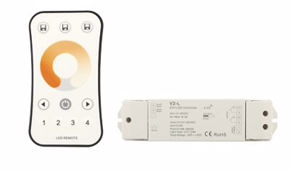
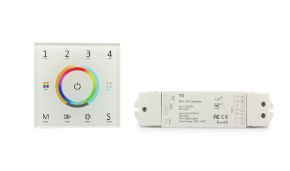
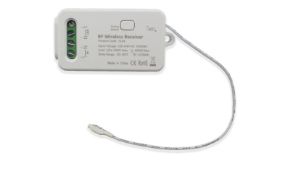
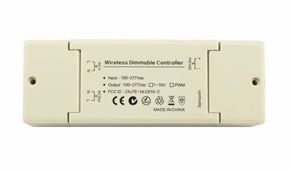
- une compatibilité avec tous les systèmes de contrôle (dimmer, DALI, Zigbee, DMX).
Projecteurs wall washer LED à optique asymétrique
Les projecteurs LED wall washer proprement dits sont des appareils ponctuels ou linéaires avec optiques asymétriques conçues spécifiquement pour le wall washing. Ils diffèrent des bandes LED car ils produisent un faisceau lumineux projeté (non linéaire) et sont généralement utilisés pour éclairer des murs de grande hauteur ou des surfaces extérieures où la source doit être positionnée loin du mur.
Il existe différentes variantes :
- wall washer encastrés au plafond (recessed) : appareils encastrés dans le faux-plafond avec optique asymétrique qui dirige la lumière vers le mur adjacent, ils sont pratiquement invisibles de l'extérieur et offrent une esthétique très épurée ;
- wall washer de surface : montés au plafond ou au mur, avec corps visible, plus simples à installer mais moins intégrés architecturalement
- wall washer pour extérieur (outdoor) : appareils IP65–IP67 conçus pour l'éclairage de façades, monuments et surfaces extérieures, disponibles tant en version encastrée au sol (up-light) qu'en version sur poteau ou murale
Wall washer linéaires LED
Les wall washer linéaires LED sont des appareils allongés (de 30 cm à 150 cm et plus) qui intègrent une bande LED à haute densité avec une optique asymétrique dans un corps unique. Ils représentent une solution intermédiaire entre les bandes dans un profilé et les projecteurs classiques : ils offrent la continuité de la source lumineuse typique des bandes, mais dans un format prédéfini et structurellement rigide, souvent avec un indice IP élevé et des connexions électriques intégrées.
| Typologie | Avantages | Inconvénients | Applications idéales |
|---|---|---|---|
| Bande LED dans un profilé | Flexibilité maximale, personnalisable, coûts réduits, évolutif | Nécessite une conception d'installation, plus de composants à gérer | Résidentiel, commercial, hôtellerie, retail |
| Projecteur wall washer recessed | Esthétique minimaliste, installation invisible, optique précise | Nécessite un faux-plafond, moins flexible en longueur | Musées, galeries, hôtels de luxe, espaces retail premium |
| Wall washer linéaire | Installation rapide, indice IP élevé, connexions intégrées | Dimensions fixes, plus cher au mètre, moins personnalisable | Architectural outdoor, façades, bâtiments publics |
| Wall washer up-light | Éclairage depuis le bas, effet dramatique, polyvalent pour outdoor | Difficile à maintenir propre, nécessite une installation au sol | Jardins, façades, monuments, scénographie extérieure |
Avantages et inconvénients du wall washing avec LED
Comme toute technique d'éclairage, le wall washing avec LED présente des avantages significatifs mais aussi certaines limitations qu'il est important de connaître pour faire des choix de conception conscients et informés.
Les grands avantages du wall washing avec bandes LED
Le wall washing présente de nombreux avantages par rapport à d'autres technologies, découvrons-les.
Efficacité énergétique supérieure
Les bandes LED pour wall washing consomment jusqu'à 85 % de moins que les technologies halogènes et jusqu'à 60 % de moins que les fluorescentes, à flux lumineux produit égal. Cet avantage se traduit par des économies d'énergie significatives sur le long terme, spécialement dans des applications commerciales où les systèmes de wall washing sont en fonctionnement pendant de nombreuses heures par jour.
Un exemple concret : un système de wall washing halogène sur un mur de 10 m consommerait environ 350–500 W, le même effet obtenu avec des bandes LED à haute efficacité ne requerrait que 100–150 W, avec une économie annuelle de centaines d'euros sur la facture.
Durée exceptionnelle
Les bandes LED de qualité ont une durée de fonctionnement de 50 000–100 000 heures, contre 2 000–5 000 heures pour les lampes halogènes et 8 000–15 000 pour les lampes fluorescentes. Cela signifie qu'un système de wall washing LED installé correctement peut fonctionner pendant 15–25 ans avant de requérir le remplacement de la bande, avec des coûts de maintenance quasi nuls.
Qualité de la lumière excellente
Les bandes LED de dernière génération pour wall washing offrent une qualité de la lumière qui égale ou dépasse les technologies traditionnelles : CRI jusqu'à Ra 97 (comparable à la lumière naturelle), températures de couleur personnalisables, absence de flicker (scintillement) grâce à des drivers de qualité, et uniformité photométrique excellente grâce aux hautes densités et aux optiques des profilés.
Contrôle et flexibilité
Le wall washing avec bandes LED offre une flexibilité de contrôle sans précédent : gradation continue de 0 à 100 %, possibilité de varier la température de couleur (avec des bandes tunable white), changement de couleur (avec des bandes RGBW), programmation de scénarios lumineux, intégration avec des systèmes domotiques et building automation (KNX, DALI, Zigbee, Z-Wave, Bluetooth Mesh).
Impact environnemental réduit
Une consommation énergétique moindre signifie moins d'émissions de CO₂ ; absence de mercure (présent dans les lampes fluorescentes) ; matériaux recyclables (aluminium, PMMA, PCB) ; réduction des déchets grâce à la longue durée de fonctionnement. Le wall washing avec bandes LED est le choix le plus durable du point de vue environnemental parmi toutes les technologies disponibles.
Les limitations et inconvénients à considérer
Il existe plusieurs limitations à prendre en considération dans la réalisation d'effets wall washing avec des bandes LED, voyons lesquelles.
Investissement initial plus élevé
Le coût initial d'un système de wall washing professionnel avec bandes LED de qualité et profilés en aluminium est supérieur par rapport à des solutions plus simples (lampes halogènes, fluorescentes). Toutefois, en considérant l'économie d'énergie et la réduction des coûts de maintenance dans le temps, le ROI est généralement atteint en 2–4 ans pour des applications commerciales et en 5–8 ans pour des applications résidentielles.
Complexité de conception et d'installation
Un wall washing professionnel requiert un projet d'éclairage précis : choix de la bonne bande, du profilé adapté, calcul de la distance par rapport au mur, dimensionnement de l'alimentateur, gestion de la chute de tension pour des runs longs. Une installation improvisée sans conception peut produire des résultats décevants (disuniformité, points chauds, mauvaise couverture verticale) annihilant l'investissement.
Sensibilité thermique
La qualité et la durée des puces LED sont fortement influencées par la température de fonctionnement. Des installations dans des environnements chauds ou avec une mauvaise dissipation thermique (profilés sans contact thermique adéquat, bandes collées sur des matériaux isolants) peuvent réduire significativement la vie des LED et causer une dégradation accélérée du flux lumineux. Un bon profilé en aluminium résout presque complètement ce problème.
Compatibilité avec les dimmers traditionnels
Tous les dimmers traditionnels ne sont pas compatibles avec les drivers/alimentateurs des bandes LED. L'usage de dimmers non compatibles peut causer scintillement, bourdonnement, extinction prématurée ou dommages à l'alimentateur. Il est fondamental de vérifier la compatibilité entre alimentateur dimmable et dimmer avant l'installation, ou de s'en remettre à des systèmes de contrôle spécifiquement conçus pour LED (DALI, Zigbee, PWM).
Applications et environnements d'utilisation : où utilise-t-on le wall washing
Le wall washing trouve application dans une variété extraordinaire de contextes, de l'environnement domestique le plus intime aux espaces publics de grande échelle. Dans cette section, nous analysons les principales catégories d'application, avec des indications spécifiques sur les solutions les plus adaptées pour chacune.
Musées et galeries d'art : wall washing pour l'excellence
Les musées et les galeries d'art représentent le contexte le plus exigeant pour le wall washing, où la qualité de la lumière doit satisfaire les plus hauts standards professionnels. Dans ces environnements, le wall washing doit garantir :
- CRI ≥ 95–97 pour un rendu chromatique fidèle des œuvres d'art
- Uniformité photométrique ≥ 0,7 sur toute la surface d'exposition
- Absence de flicker (fréquence de modulation > 1 000 Hz) pour prévenir la fatigue visuelle
- Contenu minimal en UV et IR dans le flux lumineux (pour protéger les œuvres sensibles)
- Température de couleur stable et constante (variation maximale ±100K)
- Gradation précise et continue pour adapter l'éclairage aux différents aménagements
Les bandes LED COB à haut CRI disponibles sur Ledpoint.it, associées à des profilés avec optiques de haute qualité, satisfont tous ces critères, se positionnant comme solution professionnelle de référence pour l'éclairage muséal.
Hôtels, resorts et hôtellerie : wall washing pour l'atmosphère
Dans le secteur de l'hôtellerie, le wall washing est l'un des outils les plus puissants pour créer des atmosphères de qualité qui transmettent élégance, chaleur et bien-être. Dans les hôtels de luxe et les resorts, le wall washing est utilisé pour :
- valoriser les murs des halls et des zones communes avec une lumière chaude et enveloppante ;
- créer une atmosphère intime dans les chambres, spécialement en combinaison avec wall grazing sur les têtes de lit ou murs texturés ;
- éclairer des couloirs longs en transformant des surfaces anonymes en éléments architecturaux de valeur ;
- valoriser restaurants et bars avec des effets de lumière étudiés pour chaque moment de la journée ;
- créer des scénarios lumineux dynamiques (color changing) pour salles de congrès et zones d'événements.
Retail et magasins : wall washing pour la vente
Dans le retail design, l'éclairage wall washer joue un rôle crucial pour la présentation des produits et pour la création d'une expérience d'achat engageante. Les recherches marketing confirment qu'un éclairage étudié peut augmenter les ventes de 30–50 % par rapport à un éclairage générique : le wall washing permet d'éclairer uniformément les murs d'exposition, en mettant en valeur les produits sans zones d'ombre ni points chauds qui distrairaient l'attention du client.
Dans le retail, le wall washing est typiquement combiné avec :
- des spots directionnels pour le focus sur des produits spécifiques (accent lighting) ;
- un éclairage général du plafond (ambient lighting) ;
- un éclairage des vitrines et des entrées pour attirer les passants.
Bureaux et espaces de travail
Dans les bureaux modernes, le wall washing est utilisé pour améliorer la qualité perçue de l'environnement de travail et pour réduire la sensation de contrainte typique des espaces avec seules des lumières au plafond. Éclairer les murs avec un wall washing uniforme élargit visuellement l'espace, réduit les contrastes gênants et contribue au bien-être des travailleurs. La norme EN 12464-1:2021 inclut le wall washing parmi les techniques recommandées pour améliorer la qualité visuelle des environnements de travail.
Restaurants et locaux : wall washing pour l'atmosphère
La restauration est l'un des secteurs où le wall washing exprime au mieux ses potentialités atmosphériques. Tant en version blanche (chaude, pour restaurants traditionnels) que chromatique (RGBW, pour locaux tendance et bars à cocktails), le wall washing transforme complètement la perception d'un espace, le rendant plus accueillant, plus grand et plus mémorable pour les clients.
Résidentiel : wall washing pour la maison
Le wall washing résidentiel est l'une des tendances en plus forte croissance dans le secteur de l'éclairage domestique. Ces dernières années, la disponibilité de bandes LED de qualité à des prix accessibles et de profilés faciles à installer a rendu cette technique — autrefois exclusive des espaces professionnels — accessible à quiconque souhaite améliorer l'esthétique de son habitation.
Les applications résidentielles les plus répandues du wall washing incluent :
- éclairage du salon et du living, pour créer une atmosphère chaude et design ;
- wall washing dans la chambre à coucher, pour lumière d'ambiance le soir et réveil progressif le matin (tunable white) ;
- éclairage du mur TV, pour réduire le contraste entre l'écran lumineux et le mur sombre et améliorer le confort visuel ;
- éclairage d'escaliers et de couloirs, pour un éclairage fonctionnel et élégant ;
- wall washing en cuisine, pour valoriser le backsplash et améliorer le rendu chromatique des aliments ;
- éclairage de la salle de bain, pour un éclairage doux et de qualité (spécialement autour du miroir).
Sélection et installation : guide pratique étape par étape
L'installation correcte d'un système de wall washing avec bandes LED requiert planification, précision et la connaissance des paramètres techniques fondamentaux. Ce guide pratique vous accompagne à travers chaque phase du processus, du choix des composants à l'installation définitive, avec des conseils spécifiques pour professionnels et utilisateurs avancés.
Comment choisir le wall washer adapté : critères de sélection
Avant d'acheter tout composant, il est essentiel de définir clairement les paramètres du projet :
- hauteur du mur à éclairer : détermine la puissance de la bande et la distance d'installation par rapport au mur ;
- longueur totale du run : détermine la tension d'alimentation (12V ou 24V) et la nécessité d'alimentateurs intermédiaires ;
- effet souhaité : wall washing uniforme (distance plus grande) ou wall grazing dramatique (distance minimale) ;
- environnement d'installation : intérieur sec (IP20), intérieur humide comme salle de bain (IP44–IP65), extérieur (IP65–IP67) ;
- température de couleur et CRI : en fonction de l'environnement et des matériaux à éclairer ;
- exigences de contrôle : interrupteur on/off simple, dimmer, DALI, système smart home ;
- budget : définit le niveau qualitatif accessible parmi les options disponibles.
Calcul du nombre d'alimentateurs
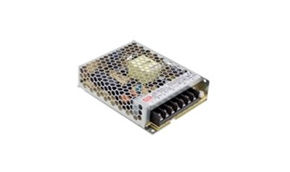
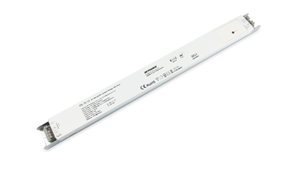
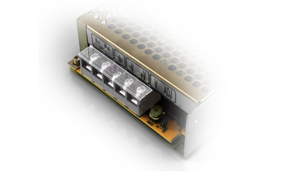
Une erreur fréquente dans les installations de wall washing avec bandes LED est de mal dimensionner les alimentateurs. La règle fondamentale est : la puissance totale des alimentateurs doit être au moins 20 % supérieure à la puissance totale absorbée par la bande LED (facteur de sécurité). Cela prévient la surchauffe des alimentateurs et en prolonge la durée de vie.
Exemple : pour un run de 8 m avec bande LED de 14 W/m :
- puissance totale bande : 8 m × 14 W/m = 112 W ;
- puissance d'alimentateur recommandée : 112 W × 1,2 = 134,4 W → utiliser un alimentateur de 150 W.
Gestion de la chute de tension dans les runs longs
La chute de tension est l'un des problèmes les plus courants et sous-estimés dans les installations de bandes LED pour wall washing. Lorsque la bande LED est alimentée seulement d'une extrémité, la tension à l'autre extrémité du run est inférieure à celle à la sortie de l'alimentateur, avec pour conséquence une réduction du flux lumineux et une éventuelle disuniformité visible (la bande est plus lumineuse près de l'alimentateur et plus sombre au bout du run).
Pour gérer ce problème :
- Utiliser des bandes LED à 24V au lieu de 12V (à puissance égale, le courant est divisé par deux et la chute de tension est quatre fois inférieure) ;
- Limiter les runs à 5–10 m pour bandes à 12V, 10–15 m pour bandes à 24V ;
- Alimenter la bande depuis les deux extrémités (alimentation parallèle) pour des runs très longs ;
- Utiliser des câbles de connexion avec section adéquate (2,5 mm² pour runs supérieurs à 5 m à haute puissance) ;
- Positionner les alimentateurs au centre du run pour minimiser la chute de tension maximale.
Installation du profilé LED : de la rainure à la fixation
L'installation d'un profilé LED pour wall washing prévoit les étapes suivantes :
- traçage de la ligne d'installation au plafond ou sur le mur, avec règle et niveau laser pour garantir la parfaite orthogonalité avec le mur à éclairer ;
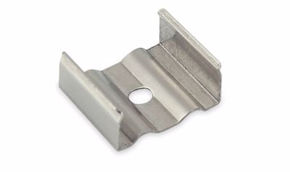
- fixation du profilé avec les clips ou vis appropriés (fourniture standard avec les profilés Ledpoint), en s'assurant que le profilé soit parfaitement droit et fixé solidement à la structure portante ;
- coupe de la bande LED à la longueur exacte du profilé, en utilisant des ciseaux ou un cutter ; la coupe doit être exécutée sur les points de coupe indiqués sur la bande (tous les 5 cm ou moins, selon la densité) ;
- collage de la bande dans le profilé : retirer le ruban adhésif double face de la base de la bande et presser avec force uniformément dans le canal du profilé ; pour des applications à haute puissance ou dans des environnements chauds, utiliser de la pâte thermosilicone au lieu du seul adhésif double face pour améliorer le contact thermique ;
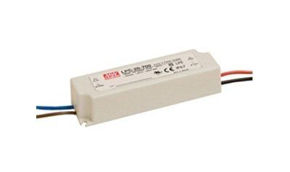
- raccordement électrique : connecteurs à insérer aux extrémités de la bande, raccordement aux câbles d'alimentation, connexion à l'alimentateur ;
- test préliminaire : vérifier que toute la longueur du run s'illumine uniformément avant de fixer la cover du profilé ;
- installation de la cover (diffuseur) : insérer le diffuseur en PMMA dans le canal du profilé ;
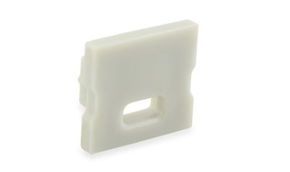
- installation des bouchons terminaux aux extrémités du profilé ;
- test final et réglage : vérifier l'uniformité du wall washing sur le mur et, si nécessaire, régler la distance ou l'angulation du profilé.
Comment fixer les bandes LED au mur sans clous
De nombreux utilisateurs, spécialement en contexte résidentiel, cherchent des solutions pour installer des bandes LED et des profilés sans faire de trous dans les murs. Les options disponibles sont :
- ruban adhésif double face VHB (Very High Bond) : les bandes LED ont déjà un ruban adhésif double face de base ; les profilés peuvent être fixés avec du ruban VHB 3M de qualité, adapté pour surfaces planes et lisses ;
- clips auto-adhésifs : certains clips spécifiques pour profilés LED se fixent à la surface avec du ruban VHB, permettant l'installation sans vis ;
- aimants : sur surfaces métalliques (poutres, étagères, armoires métalliques), des profilés avec base magnétique permettent une installation rapide et amovible sans dommages aux surfaces ;
- silicone neutre : pour surfaces non adaptées au ruban VHB, le silicone neutre transparent appliqué en cordon continu le long du dos du profilé garantit une adhérence durable et pratiquement invisible.
Pour des installations au plafond avec des profilés lourds ou de grande longueur, la fixation mécanique avec vis est toujours la solution la plus sûre et recommandée, indépendamment de la qualité du ruban adhésif double face utilisé.
Distance par rapport au mur et angle d'éclairage : calculs et tableaux
La distance par rapport au mur est le paramètre le plus critique dans la conception d'un système de wall washing. Elle détermine l'uniformité de l'éclairage, la couverture verticale et l'intensité lumineuse sur la surface. Se tromper sur cette distance est la cause la plus fréquente de résultats insatisfaisants dans les installations de wall washing.
La règle du tiers
Une des règles pratiques les plus utilisées dans le lighting design pour le wall washing est la « règle du tiers » : la distance optimale de la source lumineuse par rapport au mur est approximativement égale à un tiers de la hauteur du mur à éclairer.
C'est évidemment une règle simplificatrice, et les valeurs optimales varient en fonction du type d'optique, de la puissance de la bande et du résultat souhaité. Le tableau suivant fournit des valeurs de référence pour les configurations les plus courantes
| Hauteur du mur | Distance minimale | Distance optimale | Distance maximale | Notes |
|---|---|---|---|---|
| 2,0 m | 20 cm | 40–50 cm | 70 cm | Résidentiel standard |
| 2,5 m | 25 cm | 50–60 cm | 80 cm | Résidentiel/commercial |
| 3,0 m | 30 cm | 60–80 cm | 100 cm | Commercial |
| 4,0 m | 40 cm | 80–100 cm | 130 cm | Espaces publics |
| 5,0 m | 50 cm | 100–130 cm | 160 cm | Architectural |
| 6,0 m et plus | 60 cm | 130–180 cm | 200 cm | Haute puissance ou double bande |
Valeurs indicatives pour bandes LED avec angle d'émission 120° et diffuseur opalin standard. Vérifier toujours avec simulation photométrique pour applications professionnelles.
Comment fonctionne la distance en relation avec l'angle du diffuseur
L'angle du diffuseur du profilé influence directement la distribution de la lumière sur le mur. Un diffuseur avec angle plus étroit (ex. 60°) concentre la lumière dans une bande verticale plus restreinte, requérant une distance plus grande pour couvrir toute la hauteur du mur, un diffuseur avec angle plus large (ex. 120°) distribue la lumière sur une bande plus large, permettant des distances moindres.
Pour le wall grazing, on utilise des distances minimales (5–15 cm) et des bandes avec angle étroit ou orienté vers le mur, de sorte que la lumière rase la surface avec un angle aigu. Dans cette configuration, chaque irrégularité du mur projette une ombre dramatique qui accentue la texture du matériau.
Wall washer recessed : à quelle distance l'installer ?
Pour les wall washer encastrés au plafond avec optique asymétrique, les indications des fabricants spécifient généralement une distance par rapport au mur recommandée pour chaque modèle. Comme règle générale :
- wall washer pour murs de 3 m : distance 60–90 cm ;
- wall washer pour murs de 4–5 m : distance 90–120 cm ;
- wall washer pour murs de 6 m et plus : distance 150–200 cm (souvent requièrent double rangée).
L'espacement entre les appareils individuels dans une série (pitch) doit être tel qu'il garantisse la superposition des faisceaux lumineux adjacents sans zones sombres. Une bonne règle pratique est que l'espacement entre les centres des appareils ne dépasse pas 1,5 fois la distance de l'appareil au mur.
Wattage et puissance : combien de watts faut-il pour le wall washing ?
Le choix de la puissance correcte de la bande LED est fondamental pour obtenir un wall washing uniforme et de qualité. Une bande sous-dimensionnée produira un éclairage insuffisant, une bande surdimensionnée peut causer éblouissement, surchauffe et gaspillage énergétique. Voyons comment calculer la puissance nécessaire.
Flux lumineux nécessaire pour le wall washing
Le calcul précis de l'éclairement sur un mur requiert un logiciel de simulation photométrique (DIALux, Relux, AGi32). Toutefois, pour une estimation rapide en phase de conception préliminaire, on peut utiliser les indications suivantes
| Contexte | Éclairement cible sur le mur | Effet visuel |
|---|---|---|
| Résidentiel (atmosphère) | 50–150 lx | Lumière douce, très atmosphérique |
| Résidentiel (fonctionnel) | 150–300 lx | Lumière confortable et décorative |
| Commercial (retail) | 300–600 lx | Bonne visibilité des produits |
| Retail premium / musées | 600–1000 lx | Haute visibilité, couleurs vives |
| Façades extérieures (nuit) | 50–200 lx | Impact scénographique |
Tableau de dimensionnement rapide
| Scénario | Hauteur du mur | Distance par rapport au mur | Puissance bande recommandée |
|---|---|---|---|
| Atmosphère du soir (living) | 2,5 m | 50 cm | 7–10 W/m |
| Wall washing résidentiel standard | 2,5 m | 50 cm | 10–14 W/m |
| Wall washing commercial | 3,0 m | 70 cm | 14–18 W/m |
| Wall washing retail premium | 3,5 m | 80 cm | 18–24 W/m |
| Façade extérieure | 4,0 m | 100 cm | 24 W/m ou projecteur |
| Espace d'exposition/musée | 3,0 m | 70 cm | 18–24 W/m CRI≥95 |
Valeurs indicatives basées sur des bandes LED avec efficacité ≥ 130 lm/W, diffuseur opalin et coefficient de réflexion du mur ≥ 0,5. Pour des murs sombres ou à haut absorption augmenter la puissance de 20–40 %.
Température de couleur et CRI pour le wall washing : comment choisir
La température de couleur et le CRI (Indice de rendu des couleurs) sont deux des paramètres qualitatifs les plus importants pour le wall washing. Leur choix détermine non seulement l'aspect visuel de l'éclairage, mais aussi le bien-être des personnes qui vivent ou travaillent dans l'espace éclairé, et la qualité perçue des matériaux et des surfaces éclairées.
Température de couleur : chaude, neutre ou froide ?
| Température | Aspect visuel | Effet sur le mur | Environnements recommandés |
|---|---|---|---|
| 2700K (blanc très chaud) | Lumière dorée, chaude, intime | Accentue les tons chauds, bois, pierre jaune | Living, chambres, restaurants, hôtels |
| 3000K (blanc chaud) | Lumière chaude, accueillante | Valorise la majorité des matériaux | Résidentiel, retail mode, hôtellerie |
| 3500K (blanc neutre chaud) | Équilibrée, polyvalente | Neutre, adaptée à presque tous les matériaux | Bureaux, retail générique, espaces mixtes |
| 4000K (blanc neutre) | Lumière épurée, active | Valorise matériaux gris, blancs, métalliques | Bureaux, musées d'art contemporain, retail hi-tech |
| 5000–6500K (blanc froid/daylight) | Lumière brillante, analytique | Contrastes marqués, matériaux blancs et froids | Laboratoires, environnements techniques, usage industriel |
CRI : pourquoi est-il important dans le wall washing
Le CRI mesure à quel point fidèlement une source lumineuse restitue les couleurs des objets éclairés par rapport à la lumière naturelle (Ra 100). Dans le wall washing, un CRI élevé garantit que les matériaux du mur (peinture, enduit, revêtement, panneaux décoratifs) apparaissent dans leurs couleurs réelles et vives, sans altérations ni désaturations. Un CRI bas (Ra < 80) produit des couleurs « plates », peu saturées et souvent faussées, qui diminuent la qualité esthétique du wall washing indépendamment de l'uniformité photométrique.
Pour le wall washing, on recommande :
- Ra ≥ 80 pour applications de base (éclairage fonctionnel, couloirs, escaliers) ;
- Ra ≥ 90 pour résidentiel de qualité, commercial, hôtellerie ;
- Ra ≥ 95 pour musées, galeries, retail mode, espaces premium ;
- Ra ≥ 97 pour applications photographiques, artistiques, studio couleur.
Contrôle et gradation : systèmes smart pour le wall washing
La possibilité de contrôler l'intensité et la température de couleur du wall washing, de manière simple et précise, est l'un des grands avantages des systèmes LED modernes. Dans cette section, nous explorons les principaux systèmes de contrôle disponibles, des solutions les plus simples aux systèmes smart de building automation professionnelle.
Dimmer traditionnel : la solution simple
La solution de contrôle la plus simple pour le wall washing résidentiel est le dimmer mural, qui règle l'intensité de la lumière par variation de la tension (dimmer TRIAC pour AC) ou du signal PWM (pour bandes LED DC). Il est fondamental d'utiliser un dimmer compatible avec l'alimentateur de la bande LED : les dimmers TRIAC traditionnels ne sont pas compatibles avec les drivers LED à tension constante ; il faut utiliser des alimentateurs LED dimmables (avec entrée de contrôle 0–10V ou TRIAC) associés à des dimmers conçus spécifiquement pour cet usage.
Systèmes DALI : le professionnel par excellence
Le protocole DALI (Digital Addressable Lighting Interface) est le standard industriel pour le contrôle professionnel de l'éclairage dans les bâtiments commerciaux, bureaux, musées et espaces publics. Il permet le contrôle individuel de chaque alimentateur/driver dans le système (adressage individuel), la programmation de scénarios lumineux complexes, l'intégration avec des systèmes BMS (Building Management System) et l'enregistrement des données d'utilisation pour optimiser les consommations.
Dans le wall washing professionnel, DALI permet de :
- régler individuellement chaque zone de wall washing (par exemple, wall washing plus intense dans des points focaux et plus doux dans des zones de transition) ;
- créer des scénarios lumineux différents pour différentes activités (conférence, exposition, événement) ;
- intégrer le wall washing avec des capteurs de présence, capteurs de lumière du jour et minuteurs ;
- surveiller les consommations énergétiques en temps réel.
Systèmes sans fil : Zigbee, Bluetooth Mesh et Wi-Fi
Pour le wall washing résidentiel et commercial de moyennes dimensions, les systèmes sans fil comme Zigbee, Bluetooth Mesh et Wi-Fi offrent un excellent compromis entre flexibilité, simplicité d'installation et fonctionnalités smart :
- Zigbee : protocole mesh à faible consommation, compatible avec Philips Hue, IKEA Trådfri, Amazon Echo et autres hubs smart home. Idéal pour réseaux de nombreux appareils dans de grands espaces ;
- Bluetooth Mesh : sans hub, contrôlé directement depuis le smartphone, simple et fiable pour des installations de dimensions contenues ;
- Wi-Fi : connexion directe au routeur de la maison, intégration native avec Alexa, Google Home, Apple HomeKit. Adapté à des installations uniques ou de petites dimensions.
DMX512 : le contrôle professionnel pour événements et architecture
Le protocole DMX512 est le standard international pour le contrôle de l'éclairage scénographique, théâtral et architectural. Il permet le contrôle de 512 canaux par univers (chaque canal peut contrôler un aspect d'un appareil : intensité, rouge, vert, bleu, blanc, température de couleur), avec une latence quasi nulle et une précision absolue. Dans le wall washing avec bandes RGBW, le DMX permet de créer des séquences chromatiques animées d'un grand impact pour événements, installations artistiques et façades architecturales.
Technologies et innovations récentes dans le wall washing LED
Le secteur du wall washing LED est en constante évolution, avec des innovations technologiques qui élargissent continuellement les possibilités de conception et améliorent les performances des systèmes. Dans cette section, nous explorons les tendances et les innovations les plus pertinentes de 2024–2025.
Bandes LED à très haute efficacité : au-delà de 200 lm/W
Les générations les plus récentes de puces LED (Samsung LM301H Evo, Lumileds Luxeon 3535L, Cree XLamp XQ-E HEW) atteignent des efficacités lumineuses supérieures à 220–250 lm/W au niveau de la puce. Dans les bandes LED complètes (avec alimentation et PCB), l'efficacité du système se situe déjà aujourd'hui sur des valeurs de 180–210 lm/W pour les produits haut de gamme, avec des perspectives d'amélioration supplémentaire à court terme. Cela signifie que le même effet de wall washing obtenu en 2020 avec 20 W/m peut être aujourd'hui obtenu avec 10–12 W/m, réduisant encore les coûts énergétiques.
Technologie DOB (Driver On Board) : bandes sans alimentateur externe
Les bandes LED avec technologie DOB (Driver On Board) intègrent le circuit d'alimentation directement sur le PCB de la bande, éliminant la nécessité d'un alimentateur externe séparé et permettant la connexion directe à la tension du réseau (220V AC). Cette solution simplifie considérablement l'installation, réduit le nombre de composants et abaisse les coûts des installations de grandes dimensions. Toutefois, la qualité des bandes DOB disponibles sur le marché est encore variable, et il est fondamental de choisir des produits de qualité certifiée pour des applications de wall washing professionnel.
LED intelligentes et Human Centric Lighting (HCL)
Le concept de Human Centric Lighting (HCL), éclairage orienté vers le bien-être des personnes, trouve dans le wall washing un champ d'application privilégié. Les bandes LED avec variation automatique de la température de couleur au cours de la journée (de 2700K tôt le matin à 6000K en milieu de journée et de nouveau à 2700K le soir) simulent le cycle naturel de la lumière solaire, contribuant à synchroniser le rythme circadien des personnes qui vivent ou travaillent dans l'environnement éclairé.
Des systèmes HCL avancés intègrent des capteurs environnementaux (lumière extérieure, présence, température) et des algorithmes d'intelligence artificielle pour optimiser automatiquement la température de couleur et l'intensité du wall washing en fonction des conditions environnementales et des préférences des utilisateurs, sans aucune intervention manuelle.
Color changing wall washing : RGB et RGBW de nouvelle génération
Les bandes LED RGBW de dernière génération combinent des puces LED rouges, vertes, bleues et blanches à très haute efficacité, permettant de produire n'importe quelle couleur du spectre visible avec une qualité chromatique jamais atteinte auparavant. Les systèmes de contrôle modernes (DALI-2 avec contrôle couleur, Art-Net, sACN) permettent la gestion pixel par pixel des bandes LED pour des installations de wall washing artistique et interactif d'une grande complexité et impact.
Wall washing interactif et sensoriel
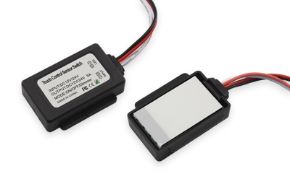
L'une des frontières les plus innovantes du wall washing contemporain est l'éclairage interactif : systèmes qui modifient l'intensité, la couleur ou la distribution de la lumière en réponse à la présence, au mouvement ou aux comportements des personnes dans l'espace. Capteurs de présence radar (comme les modules RCWL ou les capteurs mmWave), microphones pour la réaction au son, caméras avec analyse IA du mouvement : toutes ces technologies, associées à des contrôleurs LED avancés, permettent de créer des installations de wall washing qui réagissent dynamiquement aux personnes dans l'espace, créant des expériences immersives et mémorables pour musées, événements, retail et espaces publics.
Bandes LED pour wall washing outdoor de dernière génération
Pour les applications de wall washing sur façades et surfaces extérieures, les bandes LED de dernière génération avec degré de protection IP68 (immersion totale) et certifications pour températures de fonctionnement de -40°C à +85°C permettent des installations dans toute condition climatique, avec une durée de fonctionnement non influencée par les excursions thermiques, l'humidité ou l'exposition directe à la pluie. Les bandes outdoor pour wall washing sont désormais disponibles également en versions avec technologie COB, pour une uniformité excellente même dans les applications extérieures les plus exigeantes.
Maintenance, durée et nettoyage des wall washer LED
L'un des principaux avantages du wall washing avec bandes LED est le très faible besoin de maintenance par rapport aux technologies traditionnelles. Toutefois, certaines pratiques de maintenance périodique peuvent prolonger encore la durée du système et maintenir les performances optimales dans le temps.
Durée moyenne des bandes LED pour wall washing
La durée de fonctionnement (life span) des bandes LED pour wall washing est exprimée en heures comme L70 (heures de fonctionnement après lesquelles le flux lumineux s'est réduit à 70 % de la valeur initiale) ou L80. Les valeurs typiques pour des bandes LED de qualité sont :
| Qualité de la bande | Température de fonctionnement | Durée L70 | Durée L80 |
|---|---|---|---|
| Entry level | 55°C | 25 000 h | 15 000 h |
| Standard | 50°C | 35 000–50 000 h | 25 000–35 000 h |
| Premium | 45°C | 50 000–75 000 h | 35 000–50 000 h |
| Professionnelle COB | 40°C | 75 000–100 000 h | 50 000–75 000 h |
Avec 8 heures de fonctionnement par jour, 50 000 heures correspondent à environ 17 ans de vie opérationnelle.
Comment prolonger la durée des bandes LED pour wall washing
La température de jonction des puces LED est le facteur le plus déterminant pour la durée et la qualité de la lumière dans le temps. Les principales bonnes pratiques pour prolonger la durée sont :
- utiliser des profilés en aluminium de qualité avec bon contact thermique avec la bande LED (ruban adhésif thermoconducteur ou pâte thermique) ;
- ne pas dépasser 80 % de la puissance nominale des alimentateurs (facteur de sécurité thermique) ;
- assurer une bonne ventilation autour des profilés, spécialement lorsqu'ils sont installés dans des niches ou des canalisations fermées ;
- utiliser des dimmers compatibles et des drivers de qualité pour éviter des stress thermiques et électriques sur la bande ;
- nettoyer périodiquement le profilé et la cover pour retirer la poussière qui réduit la dissipation thermique.
Nettoyage et maintenance des profilés LED et des cover
Le nettoyage des profilés LED et des cover en PMMA est simple et requiert peu de temps :
- cover en PMMA : nettoyer avec un chiffon en microfibre humide (eau distillée ou eau avec détergent neutre) ; éviter alcool, acétone et solvants qui opacifient le PMMA ; ne pas utiliser d'éponges abrasives ;
- profilé en aluminium : nettoyer avec chiffon humide ; pour des dépôts de calcaire ou de graisse, utiliser un détergent neutre ; éviter produits acides ou alcalins qui attaquent la finition anodisée ;
- fréquence de nettoyage recommandée : tous les 3–6 mois dans des environnements normaux ; tous les 1–2 mois dans des environnements poussiéreux (ateliers, chantiers, environnements de production).
Quand remplacer une bande LED pour wall washing
Les signaux qui indiquent la nécessité de remplacer la bande LED sont :
- réduction visible du flux lumineux (> 30 % par rapport à la valeur initiale) ;
- changement de la température de couleur (la lumière apparaît plus « jaunâtre » ou plus « bleutée » que lorsqu'elle était neuve) ;
- apparition de points sombres ou de zones non fonctionnelles le long de la bande ;
- apparition de scintillement (flicker) non résoluble en agissant sur le dimmer ou sur l'alimentateur ;
- altération chromatique localisée (LED individuelles changent de couleur).
Normes, sécurité et certifications pour les wall washer LED
La conformité aux normes de sécurité est une exigence fondamentale pour toute installation d'éclairage professionnelle. Dans cette section, nous examinons les principales normes et certifications pertinentes pour les systèmes de wall washing avec bandes LED.
Normes européennes applicables
Les bandes LED, les profilés et les alimentateurs pour wall washing doivent être conformes aux normes européennes principales suivantes :
- directive ROHS 2011/65/UE et révision 2015/863 : limite la présence de substances dangereuses (plomb, mercure, chrome VI, PBB, PBDE) dans les composants électroniques ;
- directive EMC 2014/30/UE : compatibilité électromagnétique (émissions et immunité aux perturbations électromagnétiques) ;
- directive LVD 2014/35/UE : basse tension, sécurité électrique ;
- règlement (UE) 2019/2020 (ErP) : exigences d'efficacité énergétique pour sources lumineuses et alimentateurs ;
- EN 60598-1 : norme de sécurité pour appareils d'éclairage ;
- EN 61000-3-2 : limites pour les émissions d'harmoniques des systèmes LED ;
- UNI EN 12464-1:2021 : éclairage dans les lieux de travail (exigences de qualité de l'éclairage).
Certifications de sécurité à vérifier
Avant d'acheter des bandes LED et des composants pour wall washing, vérifier toujours la présence des certifications suivantes :
| Certification | Champ d'application | Importance |
|---|---|---|
| CE | Conformité aux directives UE (obligatoire pour vente en Europe) | Obligatoire |
| ENEC | Sécurité électrique (plus rigoureuse que le seul CE) | Fortement recommandée |
| TÜV / VDE | Tests de sécurité électrique et mécanique | Garantie de qualité élevée |
| UL | Certification nord-américaine (utile pour fournitures internationales) | Pour export |
| IP rating (IEC 60529) | Degré de protection contre poussière et eau | Fondamental pour outdoor |
| DALI-2 | Conformité au protocole DALI de dernière génération | Pour systèmes de contrôle avancés |
| LM-80 / TM-21 | Tests de durée et maintenance du flux lumineux | Pour applications professionnelles |
Classification IP pour wall washing : intérieur vs extérieur
Le degré de protection IP (Ingress Protection) est l'un des paramètres les plus importants pour le choix des bandes LED pour wall washing en fonction de l'environnement d'installation :
- IP20 : aucune protection contre l'eau ; adapté pour environnements intérieurs secs (living, bureaux, musées) ;
- IP44 : protégé contre les projections d'eau de toute direction ; adapté pour salles de bain (zone 2), cuisines, environnements avec humidité modérée ;
- IP65 : à l'épreuve des jets d'eau ; adapté pour salles de bain (zone 1), terrasses couvertes, éclairage extérieur protégé ;
- IP67 : résistant à l'immersion temporaire ; pour applications outdoor exposées, up-light au sol ;
- IP68 : résistant à l'immersion continue ; pour fontaines, piscines, installations sous-marines.
Marché et tendances : données, statistiques et enquêtes sectorielles
Le marché global de l'éclairage LED architectural et du wall washing LED est en forte croissance, tiré par la demande croissante de solutions énergétiquement efficaces, par l'expansion du secteur retail et hospitality, et par la prise de conscience croissante de l'importance de la qualité de l'éclairage pour le bien-être et la productivité des personnes.
Données du marché global de l'éclairage LED architectural
| Année | Valeur marché global | CAGR | Pénétration LED vs total éclairage |
|---|---|---|---|
| 2020 | ~52 milliards $ | — | ~55 % |
| 2022 | ~62 milliards $ | ~9 % | ~65 % |
| 2024 (estimation) | ~78 milliards $ | ~11 % | ~75 % |
| 2027 (prévision) | ~110 milliards $ | ~12 % | ~85 % |
| 2030 (prévision) | ~155 milliards $ | ~12 % | ~92 % |
Source : élaboration sur données MarketsandMarkets, Grand View Research, Mordor Intelligence (2024).
Le marché italien de l'éclairage LED
En Italie, le marché de l'éclairage LED a enregistré une croissance soutenue ces dernières années, avec un CAGR de 9–11 % sur la période 2020–2024. Les principaux moteurs de croissance ont été :
- incitations fiscales pour l'efficacité énergétique (Superbonus, Bonus Rénovation, appels d'offres régionaux) ;
- croissance du secteur retail et hospitality post-pandémie ;
- attention croissante à la durabilité et à l'efficacité énergétique de la part des entreprises et des administrations publiques ;
- réduction des prix des composants LED, qui a rendu les technologies de qualité accessibles à des segments de marché plus larges.
Tendances de marché pour le wall washing
Les principales tendances de marché pour le wall washing sont :
- Human Centric Lighting (HCL) : demande croissante de systèmes de wall washing à température de couleur variable, intégrés avec des systèmes de contrôle automatique basés sur le rythme circadien ;
- durabilité : préférence pour des produits à haute efficacité énergétique, longue durée et matériaux recyclables ;
- intégration smart : wall washing intégré avec des systèmes domotiques (Matter, Zigbee 3.0, Thread) pour un contrôle simple depuis smartphone ;
- minimalisme architectural : demande croissante de profilés très fins et intégrés, invisibles dans l'architecture ;
- qualité chromatique premium : demande croissante de bandes LED avec CRI ≥ 90–95 même dans des applications non professionnelles ;
- outdoor premium : expansion du wall washing sur façades de bâtiments résidentiels de nouvelle construction.
Coûts d'installation et retour sur investissement
La planification du budget pour un système de wall washing avec bandes LED requiert la connaissance des coûts typiques des composants et de l'installation, ainsi qu'une évaluation du retour sur investissement dans le temps. Dans cette section, nous fournissons des indications de coût actualisées à 2025 pour les principaux scénarios d'installation.
Coûts des composants pour le wall washing avec bandes LED
| Composant | Gamme entry | Gamme standard | Gamme premium |
|---|---|---|---|
| Bande LED (par mètre) | 3–6 €/m | 8–18 €/m | 20–40 €/m |
| Profilé LED en aluminium (par mètre) | 4–8 €/m | 10–20 €/m | 22–45 €/m |
| Alimentateur LED | 15–30 € | 35–80 € | 90–200 € |
| Contrôleur/dimmer | 10–25 € | 30–80 € | 100–300 € |
| Connecteurs et accessoires | 5–15 € | 15–40 € | 40–100 € |
| Coût total système (10 m) | 120–200 € | 280–550 € | 600–1 500 € |
Prix indicatifs TVA exclue. N'incluent pas les coûts d'installation électrique (main-d'œuvre) et d'éventuels travaux de maçonnerie ou de placo.
Coûts d'installation (main-d'œuvre)
Le coût d'installation d'un système de wall washing avec bandes LED varie en fonction de la complexité de l'installation (accès, hauteur, type de montage), de la zone géographique et du niveau du professionnel :
- installation simple (bande dans profilé au plafond, run droit) : 20–40 €/m d'installation ;
- installation avec travaux de maçonnerie (niches, rainures) : 50–100 €/m ou plus, selon la complexité ;
- installation avec système de contrôle avancé (DALI, smart home) : + 500–2 000 € en fonction du nombre de zones et de la complexité du système.
Retour sur investissement (ROI)
La comparaison entre un système de wall washing halogène traditionnel et un système LED, pour un mur de 10 m dans un local commercial ouvert 12 heures par jour 350 jours par an :
| Poste de coût | Halogène traditionnel | Bande LED standard | Bande LED premium |
|---|---|---|---|
| Coût d'installation initial | 300 € | 600 € | 1 200 € |
| Consommation annuelle (kWh) | ~1 800 kWh/an | ~420 kWh/an | ~360 kWh/an |
| Coût énergie (5 ans, 0,28 €/kWh) | 2 520 € | 588 € | 504 € |
| Remplacements lampes (5 ans) | ~800 € | 0 € | 0 € |
| TCO total 5 ans | 3 620 € | 1 188 € | 1 704 € |
| Économie vs halogène (5 ans) | — | +2 432 € | +1 916 € |
Le système LED standard se rembourse complètement en environ 14 mois ; le système LED premium en environ 26 mois.
Wall washing dans la conception d'intérieur : conseils pour architectes et designers
Pour les professionnels de la conception d'intérieur, le wall washing est l'un des outils les plus puissants dans la boîte à outils du lighting designer. Cette section offre des conseils pratiques et des inspirations pour intégrer le wall washing dans les projets d'interior design avec des résultats de haute qualité.
Comment utiliser le wall washing pour mettre en valeur des éléments architecturaux
Le wall washing est particulièrement efficace pour mettre en évidence des éléments architecturaux comme colonnes, pilastres, niches, voûtes et panneaux, créant un dialogue lumineux entre les différentes composantes de l'architecture. Quelques techniques spécifiques :
- wall washing de niches et rentrants : installer une bande LED sur le bord supérieur ou inférieur de la niche, en pointant vers la surface de fond ; l'effet est celui d'un éclairage depuis l'intérieur qui valorise à la fois le contenu de la niche (objets, œuvres d'art) et la profondeur architecturale
- éclairage de pilastres et colonnes : une bande LED verticale (dans un profilé) sur le côté d'une colonne ou d'un pilastre crée un éclairage grazing qui accentue la tridimensionnalité et le matériau
- wall washing de plafonds voûtés : bandes LED dans des profilés périphériques qui éclairent vers le haut une voûte ou un plafond à caissons créent un effet d'une grande finesse architecturale.
Comment combiner wall washing et autres sources de lumière
Le wall washing ne doit pas être la seule source d'éclairage dans un espace, mais doit être intégré dans un système d'éclairage stratifié (layered lighting) qui prévoit au moins trois niveaux :
- éclairage général (ambient lighting) : la lumière de base de l'espace, qui peut être fournie par des plafonniers, downlights, panneaux LED ou lumière naturelle ;
- éclairage d'accent (accent lighting) : spots ou projecteurs directionnels pour mettre en valeur des objets, œuvres d'art, éléments décoratifs spécifiques ;
- wall washing (architectural lighting) : éclairage des surfaces verticales pour créer une atmosphère, élargir visuellement l'espace et valoriser les matériaux.
La combinaison équilibrée de ces trois niveaux, avec la bonne hiérarchie visuelle et les bons rapports d'éclairement, produit des environnements de très haute qualité perçue, supérieurs à toute solution monochromatique ou monofonctionnelle.
Tendances actuelles dans l'éclairage avec wall washing
Les tendances les plus suivies en 2025 pour le wall washing dans les intérieurs de haut design incluent :
- profilés intégrés « zero gap » : profilés LED parfaitement alignés avec les surfaces architecturales, sans saillies visibles ; la lumière émerge d'une fente quasi invisible dans le plafond ou le mur ;
- wall washing monochromatique neutre : préférence pour des températures de couleur 3000K–3500K avec CRI ≥ 90, pour un éclairage « naturel » et non invasif qui valorise les matériaux sans en bouleverser les couleurs ;
- contrast lighting : usage délibéré du contraste entre wall washing intense et zones de pénombre plus marquée, pour créer des environnements avec un fort caractère dramatique et cinématographique ;
- wall grazing sur surfaces naturelles : usage croissant du wall grazing sur des matériaux naturels (pierre, bois, briques apparentes) dans des contextes résidentiels de luxe.
Wall washing pour extérieurs : façades, jardins et éclairage urbain
Le wall washing pour extérieurs, ou outdoor wall washing, est l'une des applications en plus forte croissance dans le secteur de l'éclairage architectural. L'éclairage des façades des bâtiments, des murs de clôture, des haies et des éléments verticaux du jardin avec le principe du wall washing crée des environnements nocturnes d'un grand impact esthétique et valorise l'aspect des bâtiments même après le coucher du soleil.
Wall washing de façades : solutions et produits
Pour l'éclairage de façades avec la technique du wall washing, les solutions disponibles sont :
- projecteurs LED wall washer au sol (up-light) : encastrés dans le sol ou positionnés au sol sur supports, éclairent la façade du bas vers le haut ; la distance par rapport à la façade doit être calibrée pour couvrir toute la hauteur avec un gradient uniforme ;
- bandes LED IP67–IP68 dans des profilés outdoor : installées dans des niches creusées dans la façade ou dans des profilés montés sur les corniches des étages, créent un wall washing linéaire et continu de grande qualité ; idéales pour façades modernes avec lignes horizontales nettes ;
- projecteurs linéaires outdoor : appareils allongés (de 30 cm à 150 cm) montés au sol, en corniche ou sur mur opposé, pour un wall washing uniforme de façades de grande dimension.
Wall washing pour jardins et environnements outdoor
Dans le paysagisme et le garden design, le wall washing s'applique à :
- murs de clôture et clôtures : bandes LED outdoor dans des profilés enterrés ou au sol éclairent le mur de clôture créant un « fond lumineux » dans le jardin ;
- haies et végétation verticale : wall washing de haies hautes, murs verts (green wall) et arbres de haute tige avec up-light au sol ;
- garages et portiques : wall washing de la voûte d'un portique ou du plafond du garage avec bandes LED IP44 dans des profilés ;
- piscines et bassins : wall washing des parois internes de la piscine avec bandes LED IP68 sous-marines (requièrent des produits certifiés spécifiquement pour usage dans l'eau).
Comment éclairer le mur TV avec le wall washing
L'éclairage du mur TV est l'une des applications résidentielles du wall washing et du bias lighting les plus demandées par les utilisateurs finaux. Un wall washing correct du mur où est installée la TV améliore significativement le confort visuel pendant la vision et valorise esthétiquement le meuble et le mur lui-même.
Le problème : le contraste entre écran et mur sombre
Lorsqu'on regarde la TV dans un environnement sombre, le fort contraste entre l'écran lumineux et le mur sombre environnant provoque une fatigue visuelle significative : l'œil doit continuellement s'adapter aux niveaux de luminosité très différents entre la zone de l'écran et l'environnement environnant. Éclairer le mur TV avec un wall washing doux (le soi-disant « bias lighting ») réduit ce contraste et soulage la fatigue visuelle, permettant des sessions de vision plus longues et plus confortables.
Comment réaliser le wall washing du mur TV
Les options pour le wall washing du mur TV sont diverses :
- bande LED derrière la TV (rétroéclairage) : bandes LED fixées à l'arrière de la TV ou sur le mur arrière, qui éclairent le mur avec lumière indirecte. C'est la solution la plus simple et économique, mais elle produit un effet d'« auréole » plutôt qu'un vrai wall washing ;
- bande LED dans un profilé au plafond, pointées vers le mur TV : la solution la plus professionnelle, produit un wall washing uniforme sur tout le mur, valorisant à la fois la TV et le meuble et le contexte architectural. Requiert une distance adéquate entre le profilé et le mur (40–60 cm pour des murs de 2,5 m) ;
- bande LED dans un profilé au sol, pointées vers le haut : wall washing du bas vers le mur TV, effet plus dramatique et théâtral, idéal pour living design ;
- bande LED dans les côtés du meuble TV : bandes LED dans les côtés du meuble TV éclairent le mur environnant avec un effet d'auréole lumineuse ; effet plus décoratif que fonctionnel.
Température de couleur pour le mur TV
Pour le wall washing du mur TV, on recommande une température de couleur de 6500K (daylight) pour le bias lighting classique, cette température de couleur est perçue comme « neutre » par l'œil humain en association avec la lumière de l'écran. Toutefois, pour un usage décoratif le soir, des températures plus chaudes (2700K–3000K) peuvent être préférées qui créent une atmosphère plus accueillante. Les systèmes tunable white permettent de varier la température en fonction du contenu affiché et de l'heure de la journée.
Wall washing résidentiel : idées créatives et solutions pratiques
Le wall washing résidentiel est aujourd'hui accessible à tous grâce à la disponibilité de bandes LED de qualité à des prix compétitifs. Dans cette section, nous offrons des idées et des conseils pratiques pour intégrer le wall washing dans chaque pièce de la maison, avec des solutions créatives pour chaque budget et pour chaque style d'ameublement.
Comment rendre un mur lumineux : les techniques principales
Il existe de nombreuses façons de rendre un mur lumineux avec des bandes LED :
- wall washing depuis le haut (corniche LED) : installer une corniche en placo ou un profilé LED au plafond près du mur que l'on souhaite éclairer ; la lumière descend uniformément vers le bas, lavant le mur ;
- wall washing depuis le bas (floor cove) : profilé LED au sol ou dans une niche à la base du mur ; la lumière monte vers le haut, créant un effet dramatique et théâtral ;
- rétroéclairage miroir (bathroom wall washing) : profilé LED autour ou derrière le miroir de la salle de bain ; éclairez le mur entourant le miroir pour un effet cinématographique et fonctionnel ;
- niche rétro-éclairée : niche creusée dans le mur avec bande LED sur le périmètre supérieur ; la lumière « lave » la surface interne de la niche en valorisant les objets exposés ;
- lumière indirecte depuis étagère : bande LED sur le bord inférieur d'une étagère, qui éclaire le mur sous-jacent avec un effet de wall washing doux et chaud.
Comment créer une lumière diffuse avec des bandes LED
La lumière diffuse, douce, sans ombres dures et sans sources visibles est l'objectif esthétique du wall washing résidentiel de qualité. Pour l'obtenir :
- utiliser toujours des bandes LED dans des profilés avec diffuseur opalin (jamais de bandes nues sans diffuseur) ;
- choisir des bandes à haute densité (≥ 120 LED/m) ou des bandes COB pour éliminer le « pointillage » visible ;
- maintenir la source cachée à la vision directe de l'observateur (niches, corniches, profilés encastrés) ;
- utiliser le dimmer pour abaisser l'intensité de la lumière à des niveaux atmosphériques (20–40 % de la puissance maximale) dans les heures du soir.
Comment éclairer la buanderie
Même la buanderie peut bénéficier du wall washing avec bandes LED : une bande LED dans un profilé montée au plafond le long du mur où se trouvent lave-linge et sèche-linge fournit un éclairage uniforme et fonctionnel pour le chargement et le déchargement du linge, améliore le confort visuel pendant la sélection des programmes et valorise l'espace même lorsqu'il n'est pas utilisé. Dans cet environnement, il est important de choisir des bandes avec IP44 ou supérieur pour la résistance à l'humidité.
Comment éclairer la cuisine avec le wall washing
En cuisine, le wall washing est particulièrement efficace pour éclairer le backsplash (le mur entre le plan de cuisson et les placards muraux) : une bande LED dans un profilé montée sous les placards muraux éclaire uniformément le mur de revêtement, valorisant le matériau (céramique, verre, pierre, acier) et améliorant la visibilité pendant la préparation des aliments. Cette solution intègre l'éclairage sous-placard traditionnel avec un effet esthétique supérieur et une meilleure uniformité de l'éclairement sur le plan de travail.
Vos questions sur le wall washing LED...
Ci-dessous, nous essayons de répondre brièvement aux questions les plus fréquentes qui nous sont posées sur le wall washing, avec des réponses complètes et pratiques pour professionnels et utilisateurs résidentiels.
Que signifie wall washing ?
Le wall washing est une technique d'éclairage architectural qui consiste à distribuer la lumière de manière uniforme et continue sur une surface verticale (mur ou façade). Le nom dérive de l'anglais « to wash » (laver), car la lumière « lave » littéralement le mur, l'enveloppant de manière homogène sans zones d'ombre ni points de lumière concentrée. Avec les bandes LED dans un profilé, cette technique est aujourd'hui accessible à tout contexte, du résidentiel au professionnel.
Quelle est la différence entre wall washing et wall grazing ?
La différence fondamentale réside dans la distance par rapport au mur et dans l'angle d'incidence de la lumière. Le wall washing positionne la source lumineuse à distance du mur (30–100 cm) pour obtenir un éclairage uniforme ; il est idéal pour surfaces lisses. Le wall grazing en revanche positionne la source très près du mur (5–15 cm) avec angle rasant, pour accentuer textures, reliefs et irrégularités de la surface ; il est idéal pour pierre, briques, bois apparent. Avec les mêmes bandes LED et des profilés différents, on peut obtenir les deux effets.
Comment installe-t-on un wall washer LED ?
L'installation d'une bande LED pour wall washing prévoit : (1) choix de la bande LED adaptée (densité, puissance, CRI, IP) ; (2) choix du profilé en aluminium approprié ; (3) fixation du profilé au plafond ou au mur dans la position correcte, à la bonne distance du mur à éclairer ; (4) coupe et collage de la bande dans le profilé ; (5) raccordement à l'alimentateur et au système de contrôle ; (6) installation du diffuseur et des bouchons terminaux ; (7) test et réglage. Pour des installations simples, un bricoleur expérimenté peut gérer le travail en autonomie ; pour des installations professionnelles ou avec travaux de maçonnerie, on recommande un électricien qualifié.
À quelle distance doit se trouver le wall washer du mur ?
La distance optimale d'une bande LED dans un profilé par rapport au mur pour le wall washing est approximativement égale à un tiers de la hauteur du mur à éclairer. Pour un mur de 2,5 m, la distance optimale est 50–60 cm ; pour un mur de 3 m, 60–80 cm. Des distances inférieures produisent un wall washing plus marqué dans la partie supérieure avec réduction progressive vers le bas ; des distances supérieures produisent un éclairage plus uniforme mais moins intense. Avec des profilés et diffuseurs optimisés pour le wall washing, il est possible de travailler également à des distances inférieures en maintenant une bonne uniformité.
Combien de watts faut-il pour le wall washing ?
La puissance nécessaire dépend de la hauteur du mur et de l'effet souhaité. Comme règle générale : pour des murs jusqu'à 2,5 m, 10–14 W/m sont suffisants pour un wall washing résidentiel de qualité ; pour des murs de 3 m, 14–18 W/m ; pour des murs de 4 m et plus ou pour des effets de haute intensité (retail, musées), 18–24 W/m. Pour des murs avec couleurs sombres ou matériaux à haute absorption, augmenter la valeur de 20–30 %.
Quelle est la différence entre wall washing et spotlight ?
Le wall washing distribue la lumière uniformément sur toute la surface verticale, sans points de lumière concentrés ; l'effet est de luminosité diffuse et homogène. Le spotlight (spot) concentre la lumière dans un faisceau étroit sur un point ou objet spécifique, créant un fort contraste entre la zone éclairée et le fond. Ce sont des techniques complémentaires : le wall washing crée le contexte lumineux de l'environnement, les spots créent une hiérarchie visuelle et un focus sur des éléments spécifiques.
Que sont les wall washer encastrés au plafond ?
Les wall washer encastrés au plafond sont des appareils lumineux installés à l'intérieur du faux-plafond, avec seulement l'ouverture de l'optique visible depuis le bas. Ils ont des optiques asymétriques conçues pour diriger la lumière vers le mur adjacent. Ils sont pratiquement invisibles de l'extérieur et produisent un wall washing très épuré et professionnel. Ils requièrent un faux-plafond permettant l'encastrement et une planification précise de la position par rapport au mur à éclairer.
Quelle est la différence entre bande LED et wall washer ?
Les bandes LED sont des sources lumineuses flexibles et linéaires qui produisent de la lumière dans toutes les directions ; utilisées dans des profilés avec optiques dédiées, elles deviennent d'excellents systèmes de wall washing. Les wall washer proprement dits sont des appareils ponctuels ou linéaires avec optiques asymétriques intégrées, conçus spécifiquement pour le wall washing ; ils offrent un contrôle du faisceau plus précis mais moins de flexibilité dans la longueur et dans l'installation. Aujourd'hui, la distinction s'est beaucoup réduite, car les bandes LED dans des profilés de qualité atteignent des performances équivalentes ou supérieures aux wall washer traditionnels.
Comment réalise-t-on un wall washing dans une niche en placo ?
La niche en placo est l'un des supports les plus courants pour le wall washing intégré. La bande LED doit être installée dans un profilé fixé à l'intérieur de la niche, près du bord frontal, de sorte que la source ne soit pas visible par l'observateur mais que la lumière éclaire le mur arrière ou sous-jacent. La profondeur de la niche doit être d'au moins 15–20 cm pour que la bande ne soit pas visible depuis des angles normaux ; la distance de la bande par rapport au bord frontal de la niche influence l'amplitude de la zone éclairée. Un diffuseur opalin dans le profilé garantit une source visuellement douce et uniforme.
Quels sont les meilleurs wall washer pour bâtiments historiques et rénovations ?
Pour la rénovation de bâtiments historiques, le wall washing avec bandes LED dans des profilés fins est souvent la solution la plus respectueuse de l'architecture originale : les profilés peuvent être intégrés dans des corniches préexistantes, cachés dans des faux-plafonds légers ou installés dans des micro-niches avec un impact minimal sur les structures originales. Les bandes LED à haut CRI (Ra ≥ 95) sont essentielles pour valoriser fresques, stucs, matériaux historiques et finitions d'époque avec la plus grande fidélité chromatique. Pour des façades extérieures de bâtiments historiques, les projecteurs LED à basse température de couleur (2700K–3000K) sont généralement les plus respectueux de l'identité architecturale du bâtiment.
Comment éclairer les escaliers avec le wall washing ?
L'éclairage des escaliers avec le wall washing est l'une des applications les plus élégantes et fonctionnelles des bandes LED dans un profilé. Les solutions les plus efficaces sont : (1) bandes LED dans des micro-profilés installés sous le bord des marches, qui éclairent le mur latéral de l'escalier avec un effet de wall washing doux et suggestif ; (2) bandes LED dans des profilés verticaux au mur, qui créent un wall washing continu sur toute la hauteur de la cage d'escalier ; (3) bandes LED dans des profilés horizontaux installés à différentes hauteurs le long du mur de l'escalier, pour un effet séquentiel et rythmique. Dans tous les cas, la gradation et l'automatisation (capteurs de présence) sont très utiles pour garantir la sécurité et le confort pendant la nuit.
Que signifie mur LED ?
Le terme mur LED ou ledwall désigne un grand panneau d'affichage composé de modules LED, utilisé pour afficher des images, vidéos et contenus graphiques dans des événements, foires, studios de télévision et espaces publics. Il est fondamentalement différent du wall washing avec LED : le mur LED est un dispositif d'affichage (comme un grand écran), tandis que le wall washing avec bandes LED est une technique d'éclairage pour éclairer des surfaces verticales. Les deux termes ne doivent pas être confondus.
Comment nettoie-t-on un wall washer LED ?
Le nettoyage d'un wall washer LED (bande dans un profilé) est simple : éteindre le système, retirer délicatement le diffuseur en PMMA du profilé, le nettoyer avec un chiffon en microfibre humide (eau distillée avec quelques gouttes de détergent neutre), le sécher et le réinsérer. Nettoyer le profilé en aluminium avec un chiffon humide. Éviter solvants, alcool et abrasifs qui endommagent la surface du PMMA et la finition du profilé. Fréquence recommandée : tous les 3–6 mois dans des environnements normaux.
Comment intégrer le wall washing avec un système domotique ?
L'intégration du wall washing avec un système domotique/smart home requiert l'utilisation d'alimentateurs LED compatibles avec les protocoles de communication supportés par le système (Zigbee, Z-Wave, KNX, DALI, Wi-Fi, Bluetooth). Des systèmes comme Philips Hue, IKEA Trådfri, Home Assistant, Shelly, Gira ou Loxone supportent le contrôle d'alimentateurs LED dimmables et permettent de programmer des scénarios lumineux, des minuteurs, des réactions à des capteurs de présence et une intégration avec des assistants vocaux (Alexa, Google Home, Siri). Pour des systèmes professionnels (musées, hôtels, bureaux), le protocole DALI-2 garantit la plus grande flexibilité et compatibilité entre fabricants différents.
Les bandes LED pour wall washing sont-elles sûres ?
Les bandes LED pour wall washing de qualité sont absolument sûres si elles respectent les normes européennes applicables (Directives CE, ROHS, EMC, LVD). Les certifications à vérifier au moment de l'achat sont : marquage CE (obligatoire pour la vente en Europe), ENEC ou TÜV (garantie de tests indépendants sur la sécurité électrique), IP rating adapté à l'environnement d'installation, et - pour applications professionnelles - LM-80/TM-21 pour la certification de la durée. Éviter des produits dépourvus de marquage CE ou avec des prix excessivement bas qui indiquent souvent une qualité insuffisante et des problèmes de sécurité potentiels.
Le wall washing avec bandes LED comme choix professionnel et créatif
Le wall washing avec bandes LED représente aujourd'hui l'un des outils les plus puissants et polyvalents à disposition des concepteurs, architectes, installateurs et passionnés de design pour transformer radicalement la perception et la qualité des espaces. Transformer un simple mur en un élément lumineux autonome, d'un grand impact esthétique et fonctionnel, n'a jamais été aussi accessible, efficace et professionnel qu'aujourd'hui.
Les bandes LED de dernière génération (avec efficacités lumineuses supérieures à 200 lm/W, CRI jusqu'à Ra 97, températures de couleur variables et systèmes de contrôle smart intégrés) associées aux profilés en aluminium conçus pour le wall washing, permettent d'obtenir des résultats qui jusqu'à il y a quelques années étaient exclusifs des espaces professionnels de très haut niveau (musées, hôtels de luxe, flagship stores) et qui aujourd'hui sont accessibles à tout contexte, budget et projet.
Les avantages du wall washing avec LED sont indéniables : économie d'énergie jusqu'à 85 % par rapport à l'halogène, durée de fonctionnement de 50 000–100 000 heures, qualité chromatique excellente, flexibilité d'installation sans précédent, possibilité d'intégration avec des systèmes smart home et building automation. Le ROI est atteint en temps courts (2–4 ans pour applications commerciales) et les coûts de maintenance sont pratiquement nuls au cours de toute la vie opérationnelle du système.
Que vous soyez un professionnel de l'éclairage à la recherche de solutions innovantes pour vos projets, un architecte d'intérieur qui souhaite ajouter un nouveau niveau de qualité à ses designs ou simplement un passionné qui veut améliorer l'esthétique de sa maison : le wall washing LED est la réponse professionnelle, durable et d'un grand impact que vous cherchez.
Cet article a été élaboré avec le soutien de l'intelligence artificielle, puis relu, corrigé et validé par l'équipe technique de Ledpoint.it, ce qui garantit sa fiabilité et sa conformité aux sources officielles.