








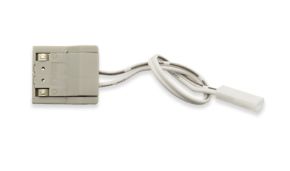
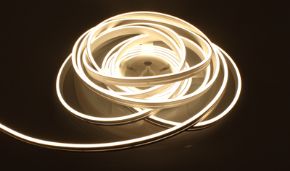
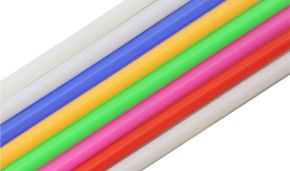
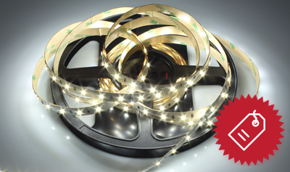
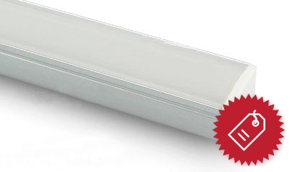
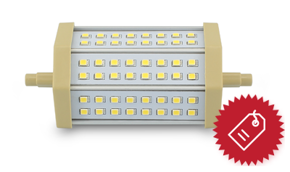
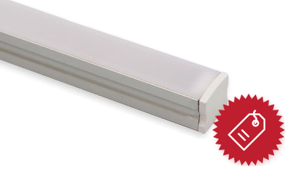
Building profiles: pro lighting!
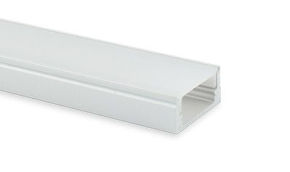
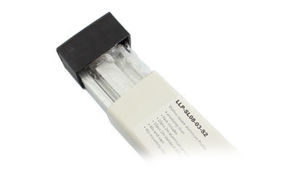
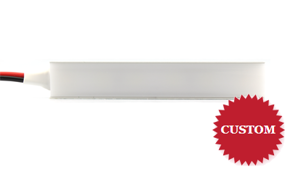
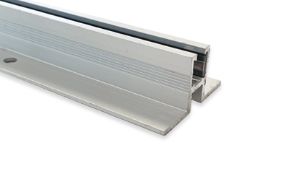
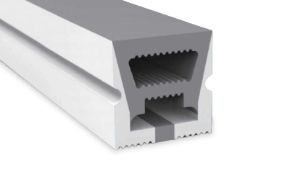
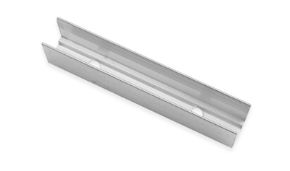
When designing LED lighting, choosing the strip is only the first step—but the real leap in both aesthetic and functional quality comes from the building profiles that house it. These components, often underestimated, are the key element that transforms technology into a finished, durable, and architecturally integrated result. A profile is not just a support: it’s a heat sink, a light guide, mechanical protection, and a design feature. In this in-depth guide, we’ll explore every aspect—from fundamentals to advanced solutions—reviewing specific products such as the 3-meter PVC concrete profile and the extensive range of aluminum building profiles available on Ledpoint.it, analyzing their technical characteristics, application fields, and best practices for installation. The selection of profile material determines the performance, longevity, and suitability of your LED installation. There is no universally “best” material—only the one most suited to your specific construction context. Aluminum is the premier material for high-performance building profiles. Its excellent thermal conductivity (approximately 200 W/mK) absorbs heat generated by LED chips and dissipates it into the environment, dramatically extending strip lifespan (up to 30,000 hours or more). The aluminum profiles offered by Ledpoint.it are designed for versatility: drywall profiles with thin mounting flanges, concrete-recessed profiles with robust thicknesses, and angular surface-mounted profiles. The finish—typically natural or white anodized—ensures oxidation resistance and a clean, modern appearance. The PVC concrete profile represents a specific and valuable category. PVC (polyvinyl chloride) offers excellent electrical insulation properties, resists moisture and many chemicals, and can be easily shaped. The PVC concrete profile, such as the 3-meter version on Ledpoint.it, is often ideal for fixed wall installations where extreme thermal dissipation isn’t required (e.g., with low-power LED strips) but ease of integration into the building structure is crucial. For diffusers, polycarbonate is preferred due to its exceptional impact resistance (250 times that of glass) and high optical clarity, which minimizes light loss. The table below helps you choose the right material based on your construction project’s needs Each area of a building has specific requirements. Let’s examine the main categories of building profiles in detail, with a special focus on products available in Ledpoint’s catalog. Drywall building profiles are designed to be recessed into structures, creating lighting effects that seem to emerge directly from the architecture itself. Their installation requires planning during construction or wall renovation phases. The secret to a good drywall profile lies in the design of its mounting flanges: they must be wide enough to ensure a solid grip on the drywall panel, yet flexible enough to ease insertion. Ledpoint.it’s aluminum drywall profiles come in various widths to accommodate single or double LED strips and are often paired with an opal diffuser that softens the light and eliminates the “dot effect” of individual LEDs. This solution is ideal for indirect ceiling lighting, wall niches, and perimeter lighting in offices, retail spaces, and high-end residences. Here, requirements become extreme: mechanical strength, safety, and waterproofing are paramount. Floor building profiles aren’t optional—they’re often legally required in public and commercial applications. They must withstand foot traffic, trolleys, moisture, and cleaning chemicals. The typical solution is a solid aluminum profile with a reinforced, high-impact polycarbonate diffuser. These profiles can be recessed into screed or surface-mounted onto finished flooring and are used for emergency pathway lighting, exit signage, or elegant skirting-level ambient lighting. Skirting board profiles are a specialized subcategory, often thinner and designed to visually blend with existing moldings, adding a safe, low-energy nighttime orientation lighting function. Stair lighting combines safety and atmosphere. Stair building profiles must be robust, slip-resistant, and able to endure continuous mechanical stress. The ideal installation is recessed into the tread or riser, protected by a thick, anti-slip polycarbonate diffuser. Light must be uniform and glare-free to ensure perfect visibility of each step. Beyond functionality, these profiles create a dramatic architectural effect, outlining the staircase geometry with light and becoming a dominant design feature in residential and commercial lobbies. Now let’s address the specific product you mentioned: the 3-meter PVC Concrete Profile (Code: PR-CC01-06-G3). This profile addresses a precise need: **creating a continuous, precise light line on concrete, cement, or solid brick walls**, where recessing an aluminum profile would be extremely labor-intensive. Its PVC composition makes it lightweight and easy to cut with common tools, such as a handsaw. Its typical gray color blends seamlessly during construction phases. It’s typically installed within a channel cut into plaster or masonry, then filled and painted on the sides, leaving only the thin diffuser slot visible. It’s not walkable and is designed for standard LED strips (up to 12 mm PCB width). Its main advantage is exceptional ease of integration into traditional building contexts, delivering a high-tech result without requiring drywall structures. The drawback is lower heat dissipation compared to aluminum, so it’s recommended for medium- or low-power LED strips. Having the right profile is only half the battle. Professional installation is what distinguishes amateur work from flawless industrial-grade results. Let’s walk through the critical phases. Plan everything on paper (or CAD) before touching a wall. Determine exact profile positions, total lengths, cut locations (remembering that profiles—like the 3m PVC version—come in fixed lengths), and especially power feed and electrical connection points. Always allow a 5% tolerance margin for on-site contingencies. For concrete profiles, use a level to mark the exact channel line. This phase varies greatly depending on profile type and substrate. For drywall: precisely cut panels using profile dimensions. Secure metal framing so the profile edge aligns flush with the final wall surface. For floors/stairs: for recessed installation, use a diamond blade to cut screed or stone. Depth must allow the profile to sit with the diffuser flush or slightly raised (max 0.5mm) to prevent wear. For PVC concrete profiles: cut a channel into plaster or masonry using a wall router or chisel. Width and depth must accommodate the profile while leaving space for power cables. Always cut building profiles with appropriate tools: a bandsaw or circular saw with an aluminum blade (for metal) or a simple handsaw (for PVC). Deburr cut edges with a file or fine sandpaper to prevent LED strip damage and ensure perfect end cap fit. For runs longer than a single profile (e.g., over 3m), use dedicated joining connectors to maintain optical and mechanical alignment. Secure the building profile using high-bond silicone adhesive (for PVC on concrete) or screws and anchors (for aluminum on solid substrates). Never rely solely on the LED strip’s adhesive backing for structural mounting! Insert the LED strip, gently pressing it onto the profile base (often pre-lined with 3M adhesive tape). Connect power cables, respecting polarity and minimum wire gauge. Finally, install the diffuser (opal, clear, or micro-prismatic) to achieve the desired lighting effect. For recessed profiles, carefully fill, sand, and paint edges for seamless visual integration. Correct selection and installation of building profiles isn’t a minor technical detail—it’s the defining factor between amateurish lighting and a professional, long-lasting project. Whether you’re working with delicate drywall profiles in a residence, robust floor profiles in a museum, or the practical PVC concrete profile in a commercial space, remember: you’re integrating light into architecture. Ledpoint.it’s range of aluminum profiles and the concrete profile provide the technical tools to realize any design vision. Investing time in planning and selecting the right profile pays off in light quality, safety, maintainability, and—ultimately—client satisfaction. The right light, in the right place, with the right support, transforms ordinary spaces into experiences.Building profiles: why material choice matters
Extruded aluminum building profiles: ultimate heat dissipation
PVC and polycarbonate: versatility, insulation, and chemical resistance
Material Key advantages Best building applications Considerations Extruded Aluminum Excellent heat dissipation, maximum LED lifespan, structural robustness, premium finish. High-intensity general lighting, recessed drywall profiles, walkable floor profiles, hot environments. Higher cost; requires metal-cutting tools (e.g., hacksaws). PVC Lightweight, affordable, electrically insulating, easy to cut, moisture-resistant. Concrete profiles for decorative linear lighting, installations in humid areas (not in direct water contact), where thermal dissipation isn’t critical. Limited thermal dissipation; unsuitable for very high-power LED strips (>14W/m). Polycarbonate (Diffusers) Optimal transparency, impact resistance, lightweight. Diffusers for stair, skirting board, or any high-impact-risk profile. More prone to scratching than anodized aluminum.
How to choose the right building profiles?
Drywall building profiles: the art of integration
Floor and skirting board profiles: where design meets safety
Stair profiles: stylish and safe step illumination
The PVC concrete building profile: a specialized masonry solution
Technical installation guide for building profiles
Phase 1: planning and measurement
Phase 2: substrate preparation
Phase 3: profile cutting and assembly
Phase 4: mounting, wiring, and finishing
Lighting with building profiles means efficiency and professionalism