









Kitchen and lighting: new trends for 2025-2026
Imagine walking into a kitchen where light doesn't just illuminate, but shapes the spaces, enhances materials, creates atmospheres, and guides your every gesture, from a rushed breakfast to the most refined dinner. Today, designing kitchen lighting is no longer just a matter of light bulbs, but a true act of design and well-being. With LED strips, this creative and functional control is finally within everyone's reach, offering flexible, efficient, and incredibly evocative solutions. In this hyper-detailed guide, we will reveal everything, and we mean everything, you need to know to light your kitchen to perfection, leveraging the latest LED technologies and anticipating the interior design and color trends that will dominate 2025 and 2026. Get ready to discover how a simple luminous strip can revolutionize the heart of your home.
Modern kitchen: why LED lighting is the right choice
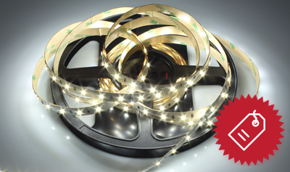
Before delving into trends and projects, it's essential to understand why LED strips represent the indispensable lighting technology for the contemporary kitchen. It's not just about energy savings, but a qualitative leap in terms of versatility, lifespan, and integration into design. LED lights for the kitchen offer color precision that makes food and surface colors stand out, a decade-long lifespan that eliminates maintenance, and operational coolness that makes them safe even in the hottest environments. But the real game-changer is their form: thin, flexible, and adaptable, they can be installed anywhere, turning every cabinet, niche, and baseboard into a personalized light source. Are you looking for the perfect lighting for your kitchen? Discover our complete range of LED strips, the starting point for every project you are about to read.
The unmissable advantages of LED strips in the kitchen
Let's now delve into each single benefit, to clarify once and for all why you can no longer do without LEDs.
Energy efficiency and lasting savings: the numbers speak for themselves
An LED strip consumes up to 90% less than a traditional halogen bulb for the same light output. Translated into practical terms: you can light the entire kitchen with worktops, island, and glass cabinets, spending less than a single old-style light bulb. This translates into tangible savings on your bill, but also a concrete gesture of respect for the environment, significantly reducing your carbon footprint. The initial investment pays for itself in very little time, after which it will be pure gain and quality light.
Extreme lifespan: forget replacements for the next 10 years
While a halogen or incandescent bulb might last 1,000-2,000 hours, a high-quality LED strip, like those you find on Ledpoint.it, has an average lifespan exceeding 50,000 hours of operation. Using it 12 hours a day every day means over 11 years of uninterrupted light. Imagine never having to think about a burnt-out bulb over the cooktop or in a hard-to-reach spot again. It's pure freedom.
Boundless design and flexibility: light takes the shape you want
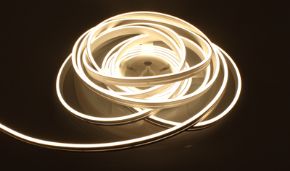
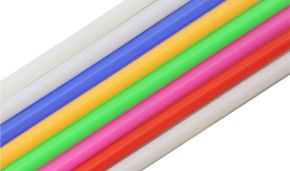
This is the most visible strength. LED strips are ultra-thin tapes that can be cut, curved, hidden. They can be installed in channels for a modern, linear effect, or applied directly into crevices and recesses for invisible, magical lighting. They allow solutions that would be extremely expensive or impossible with traditional light sources: luminous contours, shelves seemingly floating in mid-air, illuminated stair steps. The kitchen stops being a collection of furniture and becomes an installation of light and shadow. For projects requiring maximum adaptability, flexible RGB LED strips are the ideal tool.
The perfect color temperature for the kitchen: between functionality and atmosphere
Choosing the right light tone is fundamental. In the kitchen, you often need two souls: an operational, precise, and brilliant one for cooking; a welcoming, warm, and intimate one for eating and socializing.
Cool light (5000-6000K) for operational zones: absolute precision
For worktops, especially around the sink and stove, cool or neutral white light is essential. This tone, similar to daylight, offers maximum contrast and renders colors realistically, allowing you to perfectly distinguish the doneness of meat, the freshness of vegetables, or the cleanliness of surfaces. It eliminates shadows that can make cutting operations dangerous. Our 6000K Cool White LED strips are designed precisely for this purpose.
Warm light (2700-3000K) for social areas: the atmosphere that warms the heart
In the island or dining table area, or for general evening atmospheric lighting, warm light is queen. It creates a welcoming, intimate, and relaxing atmosphere, perfect for family dinners or with friends. It enhances the tones of wood, marble, and fabrics, making the space feel more "lived-in" and less clinical. The 2025 trend is pushing towards even more enveloping, almost amber-like warm tones, to contrast with the clean lines of modern kitchens.
The smart solution: dimmable and tunable white LEDs
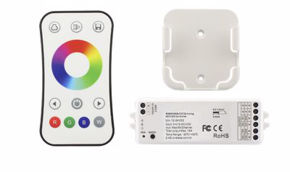
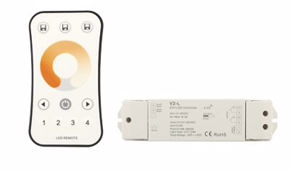
Why choose? The most advanced LED technology lets you have it all. With dimmable strips, you can adjust the light intensity from full operational power to a soft night light. With Tunable White or RGB+W solutions, you can vary the color temperature from cool white to warm white with a simple remote or app. Imagine preparing dinner with a bright white light, and then, when serving, transforming the ambiance with a warm luminous embrace. Explore the possibilities with our Smart LED Controllers with WiFi control.
The latest kitchen interior trends 2025-2026: how to light with LEDs
The world of kitchen design is shifting towards strong concepts: personalization, self-expression, multifunctionality, and connection with nature. Colors and materials are changing, and with them, the lighting design must evolve. Lighting no longer adapts to the kitchen; the kitchen is designed around the light. Let's analyze the macro-trends and the LED solutions to enhance them.
The 2025-2026 color trends: how to highlight them with the right lights
The palette is divided into two seemingly opposite directions, yet both aimed at creating deeply personal and character-rich environments.
Earthy and organic tones: clay, sand, sage green
After years of dominant whites, we return to warm, textured, earth-related colors. Clay brown, sandy beige, sage green, and terracotta are the protagonists. These shades require warm light (2700-3000K) to enhance their depth and naturalness. Light that is too cool would make them look dirty and dull. Think of a warm LED strip hidden under a terracotta wall cabinet: the reflection on the wall will create unique enveloping warmth. For opaque and textured surfaces, grazing light (with LEDs positioned to "graze" the surface) highlights every minimal texture. Choose 3000K Warm White LED strips with high CRI (Color Rendering Index) to see the true color of your walls and furnishings.
Dark and dramatic accents: night blue, forest green, graphite black
Counterpoint to the warm trend, there are those who choose boldness with islands or base cabinets in dark, saturated colors: night blue, deep forest green, graphite black. Here, lighting plays a crucial role to prevent the space from becoming oppressive. Lighting from within becomes essential: glass cabinets with internal LEDs, open niches, powerful under-cabinet lights. The light must wash over these dark surfaces, creating plays of light and shadow and highlighting the richness of the color. For deep blues and greens, neutral light (4000K) tends to enhance their purity. Consider using LED profiles with an opal diffuser for softer, more distributed light that doesn't create harsh reflections on dark, lacquered surfaces.
Open space and kitchen-living areas: defining spaces with light
The kitchen is increasingly open to the living room, but it's necessary to define different functional zones without physical walls. Light is the most powerful immaterial architectural element for this purpose.
Operational kitchen zone: vertical lighting and task lighting
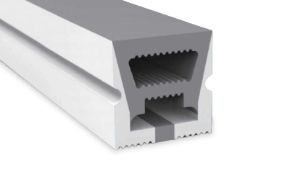
Here light must be functional, powerful, and uncompromising. Beyond classic under-cabinet LEDs (which should be placed at the front of the cabinet to light the center of the counter, not the wall), the trend of integrated vertical lighting is exploding: LEDs at the edge of worktops that climb up the backsplash, creating a curtain of light, or strips integrated into pop-up hoods. This greatly increases the perception of space and cleanliness. For a professional installation, use aluminum channels with a diffuser: they protect the LEDs, dissipate heat, and give a contract-grade finish.
Island/breakfast zone: the centerpiece to enhance
The island is the social hub. Beyond classic pendants, a very strong trend is lighting the lower perimeter of the island itself. By applying an LED strip on all four sides under the countertop overhang, you create a "floating" effect that makes the island light, sculptural, and futuristic. At night, it can become fantastic atmospheric lighting. Choose high-power LEDs for a marked effect. High-brightness LEDs are perfect for this purpose.
Living/relaxation corner zone: comfort and personalization
Here you switch from functional to atmospheric lighting. Think of floor-level LEDs along baseboards for safe night lighting, or RGB strips behind a bookshelf or TV to create dynamic accent lighting, controllable according to mood. The kitchen becomes a place of relaxation in every respect.
Practical project: how to light every single corner of your kitchen
Let's move from theory to practice. Here is a surgical mapping of every kitchen zone, with specific LED solutions, recommended products, and instructions for achieving professional results.
Under-cabinet lighting: the queen of functionality
No modern kitchen can do without it. It eliminates dangerous shadows and makes every operation precise and pleasant.
How to do it: measure the total length of cabinets to be lit. Choose an LED strip with adequate power (generally 10-14W per meter). Install the strip at the front bottom edge of the cabinet, aimed towards the center of the worktop, not the wall. Always use a channel with an opal diffuser for uniform light without annoying bright spots. Connect everything to a separate switch or, better yet, a dimmer to adjust intensity.
Internal cabinet and display cabinet lighting: magic and practicality
Opening a cabinet and seeing it light up automatically isn't just elegant; it's extremely useful for finding everything instantly.
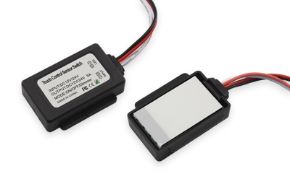
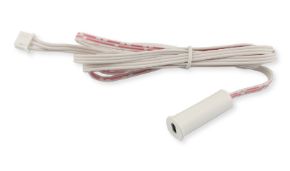
How to do it: for cabinets, 12V LEDs with a magnetic motion sensor are perfect. They are installed at the top inside the frame and activate when the door opens. For display cabinets, the LED strip should be placed at the top and bottom inside, to flood the displayed objects with light. For glassware and glasses, cool or neutral light makes them sparkle. For books and objects, warm light is more welcoming. Check out the specific solutions for furniture interiors in our cabinet lighting section.
Contour and architectural lighting: the designer's touch
This is lighting that doesn't serve to see, but to make the kitchen seen. It defines volumes, creates perspectives, adds an emotional layer.
How to do it well:
- Under the hood: an LED strip behind the lower edge of an island hood creates a suspended effect and gently lights the cooktop.
- Under the base cabinets: as with the island, it gives a floating effect to all cabinets, also simplifying floor cleaning.
- Incorporate into steps: if your kitchen has a level change or a small staircase, embedding LEDs in the steps is synonymous with safety and style.
- Behind the backsplash: a line of light behind the kitchen, between the cabinets and the wall, creates incredible depth, especially at night.
For these uses, flexibility is everything. Our silicone IP65 LED strips are resistant, flexible, and suitable even for slightly humid environments.
Kitchen, Buying Guide: How to Choose the Perfect LED Strips for Your Kitchen
Faced with hundreds of models, the choice may seem complex. Follow this definitive checklist to avoid mistakes at any step and achieve a result worthy of a design magazine.
Fundamental technical parameters to check
1. Power (Watts per meter) and lumens: the higher it is, the more intense the light. For under-cabinet, 10-14W/m is ideal. For atmospheric effects, 5-7W/m may suffice.
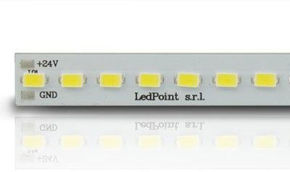
2. LED type and density: SMD 2835 LEDs are an excellent compromise between efficiency and cost. Density (e.g., 60, 120, 240 LEDs/m) affects light homogeneity: for direct use (without a diffuser), high density (120+) is needed.
3. Color rendering index (CRI Ra): absolutely fundamental in the kitchen. Always choose a CRI >90 (preferably >95). This ensures that the colors of food and surfaces are real and vivid, not washed out or altered.
4. Protection rating (IP): for under-cabinet away from water sources, IP20 is fine. For areas near the sink, choose at least IP65 (splash-proof). For inside hoods or steamy areas, IP67 is recommended.
5. Control: decide: fixed white, dimmable, Tunable White, RGB, RGB+W? The choice depends on the level of customization you desire.
Essential accessories for a perfect installation
LED strips alone are not enough. Here's what you need for a job done by the book:
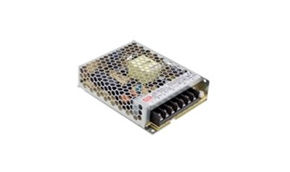
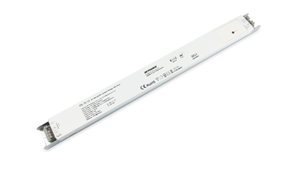
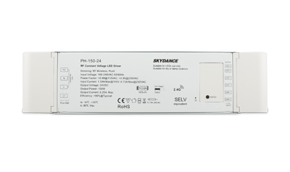
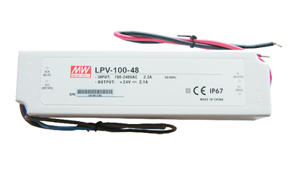
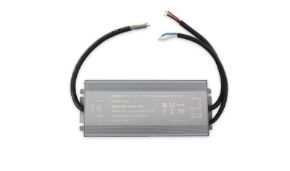
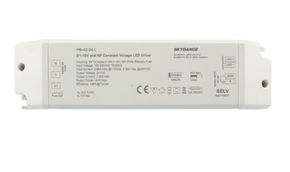
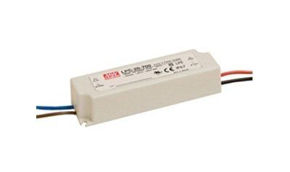
- Quality power supply (driver): must have a power rating 20% higher than the total power of your strips. It's the heart of the system, don't skimp.
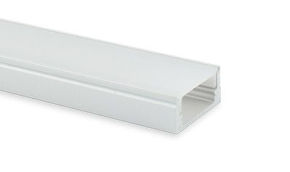
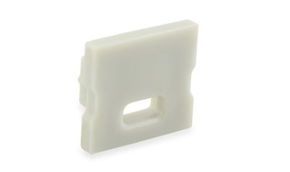
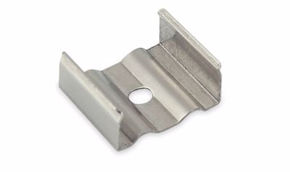
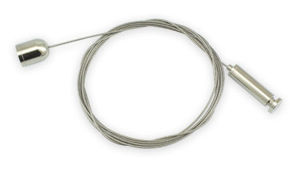
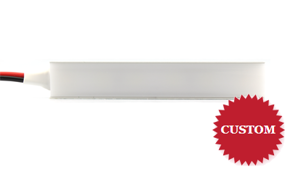
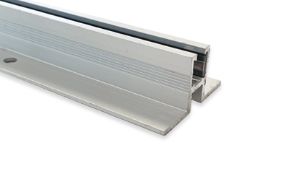
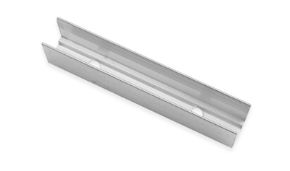
- Aluminum profiles with diffuser: mandatory for visible installations (under-cabinet). They dissipate heat (extending LED life) and diffuse light evenly. Choose the type (angular, recessed, suspended) based on your design.
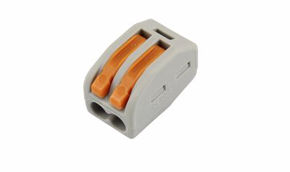
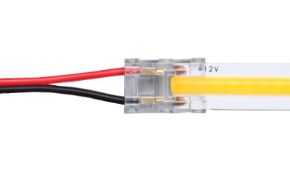
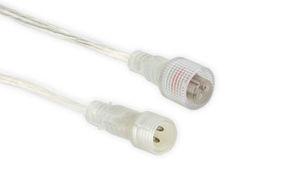
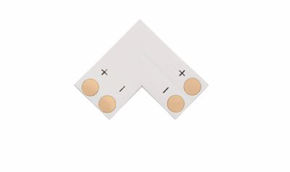
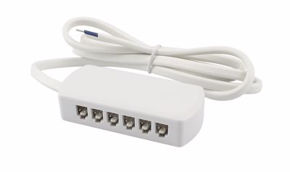
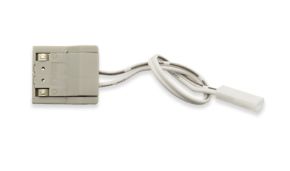
- Connectors and cables: to join strip sections, make 90° curves, or connect to the power supply without soldering.
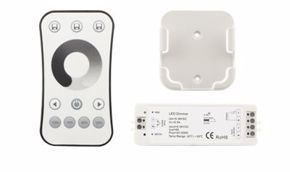
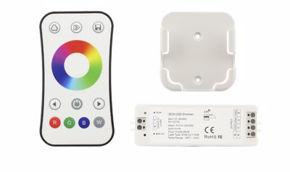
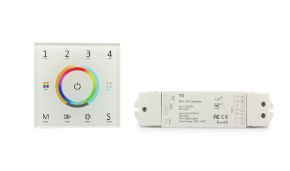
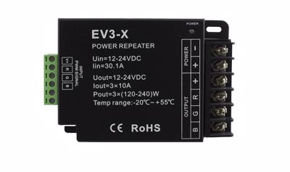
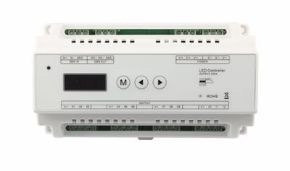
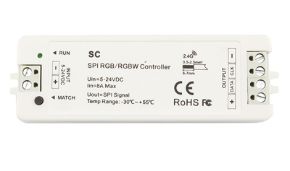
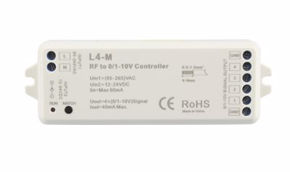
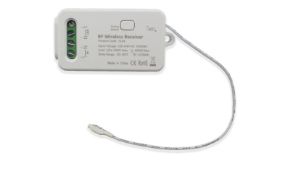
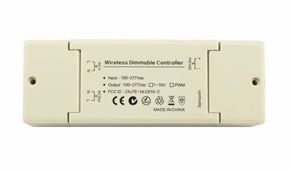
- Controllers and dimmers: if you choose dimmable or RGB strips, you'll need the right controller (WiFi, Bluetooth, RF) and a compatible dimmer.
Don't panic. Our technical support service is always ready to guide you through your projects: contact us and we'll be happy to support you!
The dream kitchen, perfectly lit, is just a click away...
We've journeyed through technology, design, trends, and pure practice. One thing is now clear: lighting the kitchen with LEDs is not an expense; it's the smartest investment you can make for your home. It's the touch that transforms a utilitarian environment into a place of daily inspiration and well-being. With the solutions you've discovered today, you can truly shape the light, molding it to your needs, your schedule, and your aesthetic taste. The trends of 2025-2026 tell us that the kitchen will be increasingly personal, expressive, and connected: LED light is your pen to write this story.
Don't settle for ordinary lighting. Choose the precision, longevity, beauty, and magic of professional LED strips. The widest catalog, installation guides, technical support, and top-of-the-line products await you at Ledpoint.it. Click, explore, and start designing your dream lighting: a perfectly lit kitchen awaits you.