








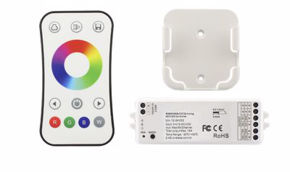
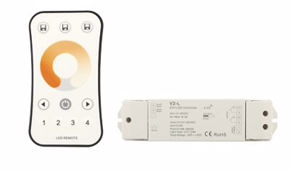
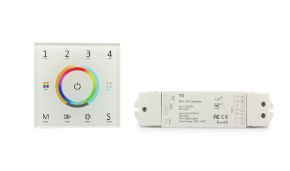
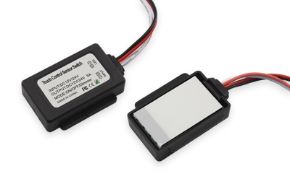



Human Centric Lighting: what it is, how it works, and why it's revolutionizing the world of LED lighting.
Human Centric Lighting: light is not just visibility, it is life. For millions of years, the solar cycle has marked human existence: it wakes us, activates us, leads us to productivity, and then prepares us for rest. With the advent of artificial lighting, we have progressively broken this ancient dialogue between the human body and light, with profound consequences for health, well-being, and quality of life. Human Centric Lighting (HCL), meaning human-centered lighting, is the technical, scientific, and design response to this rupture: an innovative paradigm that places human biology, and not just visual functionality, at the center of every lighting choice. In this guide, we will explore in depth every dimension of HCL: from definition to practical applications, from biological principles to regulatory standards, from benefits for work environments to those for healthcare facilities and residential care homes for the elderly. You will find data, statistics, comparative tables, and detailed analyses that will help you understand why today human centric LED lighting is no longer an advanced option, but a necessity for anyone who wants to design spaces truly tailored to human needs. Understanding Human Centric Lighting first means freeing oneself from a historical misconception: for many decades, artificial lighting was designed exclusively to satisfy the human visual need, that is, to ensure sufficient brightness to see objects clearly and safely. This vision, however functional, ignored a fundamental biological truth: light acts on human beings much more deeply than our eyes can perceive, influencing the endocrine, immune, nervous, and metabolic systems through mechanisms that science has only begun to fully understand in the last two decades. Human Centric Lighting, or HCL, is by definition an integrated approach to lighting design that simultaneously considers three dimensions of light's effect on human beings, let's discover which ones. In summary, the most precise definition of Human Centric Lighting is: the discipline that designs artificial light to replicate, support, and integrate the natural behavior of sunlight throughout the day, dynamically adapting it to the biological, emotional, and visual needs of human beings in every moment and context of use. The term "human centric" originates from the philosophy of design and innovation, where the concept of human-centered design indicates a design process that places human needs, capabilities, limitations, and aspirations at the center of every decision. In the field of lighting, this approach translates into a radical shift in perspective: one no longer starts from available technology to determine how to illuminate a space, but starts from the human being (from their body, emotions, life context) to determine what characteristics the light must have. Using a human centric lighting approach in the field of lighting means recognizing that: The centrality of the human being does not concern only biology and visual perception. In the contemporary cultural, corporate, and organizational context, being human centric has become a guiding principle for all types of design, from product design to human resource management, from digital services to the architecture of workspaces. HR managers, CEOs of technology startups, corporate wellness consultants, and user experience designers are progressively integrating this paradigm into their daily practices, recognizing that every system (technological, organizational, physical) must be designed to amplify human capabilities, not to subordinate them to the constraints of the system itself. In this sense, Human Centric Lighting is also a concrete expression of a corporate or institutional culture that truly places people's well-being at the center: choosing HCL lighting for one's offices, hospitals, schools, or homes is a tangible declaration of priority toward the health and quality of life of those who occupy those spaces. The history of Human Centric Lighting as a formal discipline is relatively recent, but its roots lie in scientific discoveries dating back decades. The most significant turning point occurred in 2001, when researchers David Berson, Samer Hattar, and Kwoon Wong identified a third type of photoreceptor in the human retina: the intrinsically photosensitive retinal ganglion cells (ipRGCs), distinct from the classic rods and cones. These cells, particularly sensitive to blue light (absorption peak around 480 nm), are directly connected to the suprachiasmatic nucleus of the hypothalamus (the biological center that regulates circadian rhythm) and have no role in conscious vision, but exert a powerful influence on biological functions. This discovery, awarded the Nobel Prize in Physiology or Medicine in 2017 (awarded to Jeffrey Hall, Michael Rosbash, and Michael Young for the molecular mechanisms of the circadian rhythm), opened the door to a new era of lighting design. It could no longer be ignored that artificial light, depending on its spectral and temporal characteristics, could profoundly alter human biology. Essential timeline in the history of Human Centric Lighting To fully understand the value and necessity of Human Centric Lighting, it is essential to address the biology of light with the same seriousness with which chronobiologists, neuroscientists, and sleep physicians address it. Light is not a simple visual stimulus: it is the primary environmental signal that synchronizes our internal biological clock with the 24-hour cycle of the external world. When this synchronization is altered, as systematically happens with the use of non-optimized artificial lighting, the consequences for health are measurable, documented, and significant. The term "circadian" derives from the Latin circa dies, "around a day". The circadian rhythm is an endogenous biological cycle of approximately 24 hours (more precisely between 24 and 24.5 hours in humans) that regulates an extraordinary number of physiological functions: body temperature, blood pressure, heart rate, hormone secretion, immune function, metabolism, blood clotting, cognitive ability, and propensity for sleep. The suprachiasmatic nucleus (SCN), a hypothalamic structure of about 20,000 neurons, is the body's master clock. It receives light information directly from the retina through ipRGC cells and synchronizes all other peripheral clocks present in every organ of the body: from the liver to the heart, from the lungs to the skin. When artificial light alters the signal reaching the SCN, all these systems are disrupted in a cascade effect. The human retina present in the eyes contains three types of photoreceptors, each with a specific function: The discovery of ipRGC cells revolutionized photobiology. These cells contain a protein called melanopsin, which makes them highly sensitive to light in the 480 nm band (blue-cyan light). This is why morning light (rich in blue-cyan components from the sky) is so powerfully activating, while warm evening light (rich in red and amber) is biologically neutral and promotes relaxation. Three hormones are at the center of the relationship between light and human biology: Melatonin is produced by the pineal gland in response to darkness. When light (especially blue-rich light) reaches ipRGC cells, melatonin production is suppressed. Exposure to intense artificial light in the evening hours (even from smartphone and tablet screens) is sufficient to significantly delay the melatonin peak, shifting the sleep rhythm and degrading its quality. Studies published in the Journal of Clinical Endocrinology & Metabolism have demonstrated that exposure to 200 lux light in the hours preceding sleep can suppress melatonin by 71% compared to total darkness. Cortisol is the stress and awakening hormone. Its physiological peak occurs in the early morning hours (the so-called Cortisol Awakening Response, CAR) and progressively declines throughout the day. Bright morning light enhances and anticipates the cortisol peak, ensuring an energetic awakening and better cognitive readiness. A well-designed Human Centric Lighting system, which simulates dawn with progressively increasing and increasingly white and bright light, can significantly improve the CAR and optimize energy levels during peak productivity hours. Serotonin is a fundamental neurotransmitter for emotional well-being, mood stability, concentration, and sense of pleasure. Its synthesis is stimulated by light: prolonged exposures to intense light rich in daylight white increase serotonin levels in the brain. It is therefore not surprising that Seasonal Affective Disorder (SAD) (winter depression correlated with reduced sun exposure) is treated very effectively through light therapy, i.e., phototherapy with lamps specifically designed to replicate daylight. HCL incorporates these same principles into the daily lighting of indoor environments. When artificial lighting does not respect the biological needs of human beings (i.e., when it is too intense in the evening, too cool at any time, or too uniform throughout the day), what scientists call circadian misalignment or circadian disruption occurs. The documented consequences of this chronic condition are numerous and serious: One of the aspects that generates the most confusion among designers, buyers, and end users is the distinction between Human Centric Lighting and circadian lighting. The two terms are often used as synonyms, but they identify distinct (though closely related) concepts that it is useful to clarify with precision for correct lighting design. Circadian lighting (or circadian lighting) is a specific approach to lighting design that focuses primarily on synchronizing the day-night biological rhythm through dynamic modulation of two key variables: the color temperature of light (expressed in Kelvin, K) and light intensity (expressed in lux). A circadian lighting system typically provides more intense and cooler light (blue-rich, with CCT around 5,000–6,500 K) during daytime activity hours, and progressively less intense and warmer light (rich in red and amber, with CCT around 2,700–3,000 K) in the evening hours, replicating the natural progression of sunlight. Human Centric Lighting includes the circadian component as one of its fundamental pillars, but surpasses it in breadth. HCL considers: In summary: every circadian lighting system is a partially HCL system, but not every HCL system is limited to circadian lighting. HCL is the systemic and holistic vision; circadian lighting is a fundamental subsystem thereof. A circadian lighting product is a luminaire (typically LED) capable of dynamically varying its color temperature and/or intensity throughout the day, following a programmed profile that replicates the spectral progression of sunlight. Typical characteristics of a circadian LED product include: The human centric lighting approach is not simply a list of technical features; it is a design philosophy articulated in a coherent set of principles that guide every decision, from the choice of luminaire to integration with the architecture of spaces, from personalization for the end user to measuring impacts over time. The most fundamental principle of HCL is that light must vary throughout the day in a manner consistent with natural light. It is not simply a matter of lowering and raising intensity, but of simultaneously modifying intensity and spectral quality to support biological activation during the day and promote relaxation toward evening. Static light, even if of high quality, is biologically inadequate because it deprives the body of the temporal signals necessary for circadian synchronization. In traditional lighting, lighting design responds primarily to the requirements of the physical space: uniformity of illuminance, installed power per square meter, regulatory compliance with lux levels prescribed by occupational hygiene standards. In the HCL approach, the starting point is always the person: who occupies that space, at what time, for how long, to perform which activity, with what physical and psychological state. Light adapts to the user, not the other way around. A quality HCL system recognizes that every person reacts to light differently, depending on age, health condition, individual circadian rhythm (chronotype), light sensitivity, and current emotional state. Older adults, for example, have a crystalline lens that progressively yellows, reducing blue light transmission and disrupting circadian synchronization: they require more intense and blue-rich lighting than young adults. School-age children have different attention and learning rhythms than adults. Night shift workers have completely specific needs. Authentic Human Centric Lighting designs inclusive solutions that account for these differences. Human Centric Lighting does not replace natural light: it integrates and complements it. A well-designed HCL system works in synergy with light entering through windows, adding artificial light where natural light is insufficient or absent, and reducing it where it is excessive. Brightness sensors, intelligent control systems, and integration with home automation allow maintaining an optimal and consistent level of biologically active lighting throughout the day. Human Centric Lighting is, by its nature, an evidence-based approach: design choices are based on measurable scientific data, and results are verified over time through monitoring tools. Parameters such as Melanopic Equivalent Daylight Illuminance (mEDI), Circadian Stimulus (CS), and Equivalent Melanopic Lux (EML) levels allow quantifying the biological efficacy of a lighting system, going beyond simple photopic lux that measure only visual sensation. The design of a human centric lighting system requires the integrated evaluation of four main parameters, which must be considered simultaneously and in reciprocal relation. It is not sufficient to act on only one of them to obtain an authentic HCL effect: it is the combination and dynamics among these four elements that determine the biological, visual, and emotional quality of the light. Light intensity, measured in lux (lx) on the horizontal work plane or in EML (Equivalent Melanopic Lux) on the vertical plane of the retina, is the first and most direct parameter of HCL. Biologically active light must reach the retina with sufficient intensity to stimulate ipRGC cells. Reference values for biological efficacy: Correlated Color Temperature (CCT), expressed in Kelvin, describes the tone of light: warm light (2,700–3,000 K), neutral (3,500–4,500 K), or cool/daylight (5,000–6,500 K). The relationship between CCT and circadian rhythm is direct: high CCTs (cool light, blue-rich) are biologically activating, while low CCTs (warm light, blue-poor) are biologically neutral or relaxing. A dynamic HCL system typically varies CCT throughout the day according to a profile that replicates natural light: The third parameter (often underestimated compared to the first two) is the spectral distribution of light, i.e., how luminous energy is distributed across different wavelengths of the visible spectrum (380–780 nm). Two sources with the same CCT (e.g., both at 4,000 K) can have very different spectral distributions, with significantly different biological effects. A high-quality LED source for HCL applications must have a continuous and rich spectrum, with adequate energy content in the blue-cyan band (460–490 nm) and good color rendering (CRI ≥ 90, ideally CRI ≥ 95). The R9 indicator (saturated red rendering) and TM-30 Rf/Rg (color fidelity and gamut according to the ANSI/IES TM-30 method) are more precise technical tools than simple CRI Ra for evaluating the spectral quality of an HCL source. The fourth parameter is perhaps the most innovative and characteristic of HCL: the temporal dynamism of light, i.e., the programmed and automatic variation of parameters 1, 2, and 3 throughout the day. It is not sufficient to have beautiful or technically correct light if it always remains the same: biologically effective light is necessarily dynamic, because it reflects the dynamic behavior of the sun. Advanced HCL systems manage this variation through: Understanding how Human Centric Lighting works from a technical point of view is fundamental for those who must design, purchase, or install HCL systems. LED technology, with its spectral flexibility and continuous dimming capability, is the ideal platform for implementing effective HCL solutions. No other previous light source (incandescence, fluorescence, metal halides) offers the same combination of energy efficiency, longevity, controllability, and spectral variability that characterizes modern HCL LEDs. Tunable White (TW) LED is the technology that allows continuous variation of color temperature while keeping luminous flux constant (or controllably variable). There are two main architectures: The dual-channel system combines two LED populations: one warm (typically 2,700–3,000 K) and one cool (typically 5,700–6,500 K). By varying the power ratio between the two channels, a continuous range of CCTs is obtained. It is the most widespread and economically accessible solution, though presenting some limitations in terms of color rendering at intermediate CCTs (known as the "cross-band dip" problem in the spectrum). Multi-channel systems add additional LED populations (red, green, blue, warm white, cool white) that allow more precise spectral modulation, with the possibility of optimizing not only CCT but also energy distribution across different bands. These are more expensive systems but offer superior spectral quality and more accurate biological results, particularly useful in critical applications such as hospitals, research centers, and environments for elderly people with dementia. An HCL system is not made only of light sources: the control system is equally important for the quality of the result. A Tunable White LED luminaire without an adequate control system is not capable of realizing HCL: it remains simply a lamp with two color options. The main control architectures for HCL systems are: A mature HCL system integrates brightness sensors (photosensors) that continuously measure the level of available natural light and regulate artificial lighting accordingly, a technique known as daylight harvesting or constant illuminance control. This approach allows maintaining a constant and biologically adequate level of illuminance regardless of natural variations (cloudy sky, seasons, time of day), while simultaneously reducing the energy consumption of the system. Advanced systems also integrate: The strength of Human Centric Lighting lies not only in biological theory, but especially in the measurable results it produces in real environments. Over the past fifteen years, dozens of clinical and applied studies have rigorously documented the effects of HCL on productivity, health, well-being, and quality of life. In this section, we present the most significant data, organized by effect category. Research on the impact of lighting on cognitive performance is among the most abundant and consistent in the field of HCL. Numerous studies have documented significant improvements in reaction speed, working memory, concentration, and work quality under optimized lighting conditions. Sleep quality is perhaps the well-being indicator most directly influenced by lighting quality. Studies conducted in hospital, residential, and work environments have demonstrated that: Lighting profoundly influences emotional well-being through its effects on serotonin, dopamine, and the limbic system. Environments with optimized HCL lighting systematically record better scores in subjective well-being questionnaires, reduced perceived stress levels, and decreased absenteeism for psychological reasons. Source: reworked from Human Space Project (2022), Leesman Index (2023), CBRE European Office Study (2023). The modern office is perhaps the environment that has benefited most from the advent of Human Centric Lighting, to the point that many workplace design experts now consider HCL no longer as a premium optional feature, but as a basic requirement for any workspace designed according to organizational well-being criteria. For HR managers, CEOs, and corporate wellness consultants, data on the impact of HCL in offices offer concrete and measurable arguments supporting investments in quality lighting. In a typical office without HCL, the workday unfolds under uniform light, often fluorescent or fixed-temperature LED, that never changes throughout the 8–10 hours of occupancy. This means the body receives the same light signals at 8 AM and 5 PM, depriving itself of the transition signals that nature provides through the sun's evolution. The result is a chronobiologically disoriented organism, struggling to synchronize peaks of energy, concentration, and productivity with the right moments of the day. In an office with an optimized HCL system, light tells the story of the day: The quality of the physical work environment, and particularly its lighting, has become one of the key factors in professionals' decisions about choosing and maintaining their employment. According to the Leesman Index 2023, which measures work experience quality in 5,000+ offices globally: For CEOs and HR managers, these data translate into a clear economic calculation: the cost of replacing a qualified employee is estimated between 50% and 200% of their annual salary. If an HCL system reduces turnover by 10%, the net economic savings far exceed the investment in lighting. Implementing HCL in a company does not mean only installing new lamps: it is a process concerning organizational culture and requiring involvement of multiple stakeholders. Some practical recommendations for HR managers: The healthcare sector represents perhaps the most critical and potentially transformative field of application for Human Centric Lighting. In a hospital or clinic, light quality influences not only the well-being of patients and staff, but can directly affect healing speed, procedural safety, sleep quality of inpatients, and fall prevention. For entrepreneurs and managers in the healthcare sector, HCL is both an ethical issue—caring for people holistically—and a matter of clinical quality and risk management. The connection between light and healing has been documented since the time of Florence Nightingale, who intuited the importance of sunlight in hospital wards. Modern research has confirmed and quantified this intuition with precise data: Healthcare staff often work extended shifts, including nights, under conditions of high physical and cognitive stress. The lighting of clinical environments directly influences their attention capacity, decision speed, and risk of medical error. Studies conducted in Intensive Care Units (ICUs) have demonstrated that HCL systems customized for night shifts of staff reduce medication errors by 15–27%. This result has enormous impact: considering that medical errors can cause death, even a 10% reduction would have enormous consequences for patient safety. For entrepreneurs in the healthcare sector who want to make their services more patient-centered, HCL offers concrete and documented pathways: No category of people benefits from Human Centric Lighting in such an immediate, documented, and profound way as the elderly, and particularly those hosted in Residential Care Facilities (RSA) or nursing homes. This statement is not an exaggeration: it is the result of dozens of clinical studies conducted in geriatric facilities worldwide, converging to demonstrate how proper HCL lighting can significantly improve the quality of life of elderly people, reduce dementia symptoms, decrease fall risk, and reduce the use of psychotropic medications. To understand why the elderly need specifically designed HCL solutions, it is necessary to understand how the aging process modifies ocular and circadian biology: The result of these changes is that an elderly person living in an inadequately lit indoor environment receives dramatically insufficient circadian signals, with serious consequences for sleep quality, mood, cognitive functions, and overall physical health. An HCL solution designed for elderly people and geriatric facilities must account for the biological peculiarities of this population: The school environment is one of the contexts in which Human Centric Lighting produces particularly evident and documented benefits. Children and adolescents spend an average of 6–8 hours per day in enclosed environments, often with standardized fixed-temperature fluorescent lighting that does not support the evolving biological rhythms of a growing organism. Scientific research has demonstrated that proper HCL lighting in school classrooms can significantly improve attention, memory, reading speed, and motivation for learning. The LIFE@SCHOOL project, conducted by Bartenbach and the University of Innsbruck in collaboration with Austrian and German schools, represented one of the broadest and most rigorous studies on HCL in the educational field. Main results: Although most HCL projects focus on professional and healthcare environments, human centric lighting is progressively gaining ground also in private homes. The home is the environment where human beings spend the most time (on average 16–18 hours per day, considering sleep) and where respect for biological rhythms is fundamental for long-term quality of life. An effective residential HCL project does not limit itself to installing a smart bulb in the living room: it requires systemic design that considers every environment of the home for its specific function in the inhabitant's day: The residential smart market today offers numerous accessible HCL solutions, integrated with major home automation ecosystems: The growing diffusion of Human Centric Lighting has led to the definition of an increasingly structured regulatory framework, providing designers and producers with technical references for evaluating, certifying, and communicating the biological quality of lighting systems. Knowing these standards is fundamental for those who want to guarantee the quality of an HCL installation and position it credibly in the professional market. The European standard EN 12464-1:2021 ("Light and lighting – Lighting of work places – Part 1: Indoor work places") is the main regulatory reference for professional lighting in Europe. The 2021 version, significantly updated compared to the previous 2011 edition, incorporates HCL concepts for the first time such as: The German standard DIN SPEC 67600:2013 ("Biologically effective lighting – Planning guidelines") is the first standard specifically dedicated to the biological efficacy of lighting and remains one of the most detailed references in the field of HCL. It introduces the concept of horizontal equivalent melanopic illuminance and provides minimum recommended values for different types of environments and times of day. The publication CIE S 026/E:2018 by the International Commission on Illumination defines the official metric for quantifying the non-visual effects of light on human beings. It introduces the concept of α-opic irradiance for each type of photoreceptor (S-cones, M-cones, L-cones, rods, melanopsin) and establishes Equivalent Melanopic Lux (EML) as the reference parameter for evaluating ipRGC cell stimulation. The WELL Building Standard, developed by the International WELL Building Institute (IWBI), is the most widespread global certification for buildings designed according to human well-being criteria. The "Light" section of WELL includes numerous HCL requirements: LED HCL technology (Light Emitting Diode Human Centric Lighting) is the perfect combination between the efficiency, longevity, and controllability of solid-state LEDs with the biologically founded principles of human-centered lighting. Ledpoint, as an Italian specialist in professional LED lighting, has selected and developed a range of LED HCL products designed to meet the most demanding needs of designers, system integrators, and end users in every application sector. Not all LEDs are suitable for HCL applications. An LED luminaire certified for use in Human Centric Lighting systems must satisfy a series of precise technical requirements that go well beyond simple energy efficiency or long lifespan, let's see which ones. The market is currently flooded with LED products that self-define as "smart" or "tunable white" without respecting the minimum technical requirements for a serious HCL application. Choosing professional-quality LED HCL products means guaranteeing that the installed lighting system actually produces the biological benefits documented by scientific research. A "smart" LED costing a few euros with CRI 70 and visible flicker is not an HCL system: it is simply a colored light bulb. Ledpoint's selection criteria for LED HCL products are based on: Like any complex technological innovation, Human Centric Lighting presents a profile of advantages and challenges that it is useful to examine with honesty and precision, especially for those who must make investment or design decisions. Realistic knowledge of both sides of the scale allows better planning of implementation and maximizing return on investment. The cost of a complete HCL system (Tunable White luminaires + DALI control system + management software + sensors) is significantly higher than that of a standard LED installation. However, the correct comparison is not between the cost of HCL and that of standard lighting: it is between the total cost of ownership (TCO) over the long term. Considering energy savings (daylight harvesting reduces consumption by 30–50%), reduced absenteeism, improved productivity, and increased staff retention, the ROI of a well-designed HCL system typically falls between 3 and 6 years in commercial settings. HCL design requires interdisciplinary skills (lighting engineering, chronobiology, interior architecture, control systems) that are not always available in a single professional figure. The solution is to rely on sector specialists and adopt advanced design software (DIALux, ReluxSuite, AGi32) with updated photometric libraries. The change of light throughout the day can surprise or disorient uninformed users. Change management is crucial: communicate in advance what is changing and why, train system managers, provide simple control interfaces, and allow margins for individual personalization significantly increase acceptance and satisfaction of end users. HCL systems are complex systems that require scheduled maintenance to guarantee quality over time: replacement of LED sources upon reaching 80% of initial flux (L80), firmware updates of controllers, periodic verification of brightness sensor calibrations. Planning a scheduled maintenance contract from the design phase is essential to protect the investment. Scientific data and theoretical principles of HCL find confirmation in the growing case history of successful implementations worldwide. Below, a selection of the most significant and instructive case studies for those who want to understand how Human Centric Lighting translates into concrete results in real environments. In 2017, Volkswagen's headquarters in Wolfsburg implemented a dynamic HCL system across 12,000 sqm of workspaces, involving approximately 3,500 employees. The system, based on DALI technology with automatic circadian cycle, produced the following results measured after 18 months: The Neonatal Intensive Care Unit (NICU) of the University Hospital of Basel installed an HCL system specifically designed to support circadian rhythm development in preterm newborns, a population particularly vulnerable to the effects of light misalignment. Results: Within the LIFE@SCHOOL project, six classes of a Munich elementary school were equipped with dynamic HCL systems, comparing results with six control classes with standard lighting. After one school year: A randomized controlled study conducted in a geriatric facility in Stuttgart evaluated the effects of an HCL system specifically designed for residents with Alzheimer's and vascular dementia. The system provided intense light (2,000 lux) in the morning in common areas, with a dynamic profile throughout the day. Results after 6 months: Human Centric Lighting is a rapidly evolving discipline, driven by a convergence of technological, scientific, and cultural advances that are continuously expanding its possibilities and applications. Looking to the future of HCL means looking to the future of the relationship between technology and human well-being: a future in which artificial light will no longer be a simple replacement for sunlight, but a sophisticated and personalized tool for optimizing the health, performance, and quality of life of every single person. The integration of Artificial Intelligence into HCL lighting control systems will open a new frontier: predictive lighting (or anticipatory lighting), which does not only react to present conditions but anticipates user needs based on behavioral patterns learned over time, biometric data, activity calendars, and weather forecasts. A system of this type could, for example: Research on LED materials is advancing toward sources with spectrum increasingly similar to that of natural sunlight, with continuous spectral distributions (without artificial blue peaks) and high color fidelity (TM-30 Rf > 95, Rg > 100). Quantum Dot LEDs and OLED technologies are emerging as candidates for the next generation of HCL sources, promising emission spectra more natural and compliant with human biology. The future of HCL does not concern only individual buildings, but entire cities. The growing awareness of the impact of light pollution on the circadian rhythm of the urban population is pushing some pioneering administrations (Amsterdam, Oslo, Singapore) to integrate HCL criteria into the planning of public lighting, green spaces, and transportation. Urban lighting designed according to HCL criteria could contribute significantly to reducing sleep disorders, seasonal depression, and chronic diseases related to circadian misalignment in the population. Human Centric Lighting is not a passing trend in the lighting market, nor an optional feature reserved for those who want to stand out. It is the technical and scientific response to a fundamental biological need of human beings, which millions of years of evolution have embedded in our DNA and which decades of poorly designed artificial lighting have systematically ignored. The light we use daily influences our health, our mood, our cognitive performance, and the quality of our sleep to an extent that most people completely ignore. Yet the scientific data are unequivocal, the benefits are innumerable: environments with optimized HCL lighting produce more productive workers, more attentive students, faster-healing patients, elderly people who sleep better and live with more dignity. Fully leveraging these benefits is possible, but only with careful analysis of the environment to be illuminated and the needs and requirements of the people who inhabit it. This work requires cross-disciplinary skills to identify not only the most suitable products but also regarding their programming. Only with this premise will it be possible to obtain results truly tailored to human needs.
Definition of Human Centric Lighting: what HCL really means
What "human centric" means in a broader sense
What human centric lighting means in an organizational sense
Origin and history of Human Centric Lighting
Year Key Event 2001 Discovery of ipRGC cells in the human retina (Berson, Hattar, Wong) 2002 First studies on the effect of blue-enriched light on alertness and cortisol 2007 WHO classifies night work as "probably carcinogenic" (Group 2A) 2010 First installations of dynamic HCL systems in Scandinavian hospitals 2013 Publication of DIN SPEC 67600 standard (Germany) for biologically effective lighting 2017 Nobel Prize in Medicine for research on circadian rhythm 2018 WELL Building Standard formally integrates HCL criteria 2019 CIE publishes recommendation S 026 for non-visual lighting 2020–2026 Massive diffusion of LED HCL systems in offices, hospitals, schools, and residences
How does the human body react to light?
The circadian rhythm: the human internal clock
Retinal photoreceptors: visual eye and biological eye
Type of photoreceptor Primary function Peak spectral sensitivity Relationship with HCL Cones (3 types: S, M, L) Color vision under photopic conditions 420 nm (S), 530 nm (M), 560 nm (L) Fundamental for visual quality and color rendering Rods Vision under scotopic conditions (low light) 498 nm Relevant for nighttime and transitional environments ipRGC cells (photosensitive ganglion cells) Non-visual regulation: circadian rhythm, pupillary reflex, alertness 480–490 nm (blue-cyan light) Crucial for HCL: they are the primary target of biologically active light Melatonin, cortisol, and serotonin: the hormonal triangle of light
Melatonin: the darkness hormone
Cortisol: the awakening hormone
Serotonin: the well-being neurotransmitter
How does artificial light influence health?
Human Centric Lighting vs Circadian Lighting: differences
Circadian lighting: definition and scope
HCL: a broader and more integrated concept
Characteristic Circadian lighting Human Centric Lighting (HCL) Primary objective Synchronize circadian rhythm Optimize human well-being in all its dimensions Managed variables CCT and light intensity (predominantly) CCT, intensity, spectral distribution, directionality, timing, visual quality Effects considered Mainly biological (sleep, hormones) Biological + visual + emotional + psychological Personalization Predefined schemes (day/night cycles) Adaptive and personalized for user, context, and activity Integration with other systems Limited (often standalone) High (BMS, KNX, DALI, IoT, home automation) Reference standards Melanopic equivalent daylight illuminance (mEDI) EN 12464-1, WELL, CIE S 026, DIN SPEC 67600 Implementation cost Moderate Moderate-high (ROI documented over time) Circadian lighting products: what they are and how they work
The fundamental principles of Human Centric Lighting
Principle 1: light varies over time (dynamism)
Principle 2: light serves the person, not the space
Principle 3: empathy and inclusivity (no one is the same)
Principle 4: integration with architecture and natural light
Measurability and verification (evidence-based)
The 4 fundamental parameters for planning a Human Centric Lighting solution
Parameter 1: light intensity
Time of day Recommended illuminance (lux on work plane) Recommended EML (vertical retina plane) Expected biological effect Morning (7:00–9:00) 500–1000 lx ≥ 250 EML Melatonin suppression, cortisol increase, activation Mid-morning (9:00–12:00) 750–1500 lx ≥ 350 EML Maximum alertness and cognitive productivity Early afternoon (13:00–15:00) 500–750 lx 200–300 EML Counteract post-lunch dip, maintain focus Late afternoon (15:00–18:00) 300–500 lx 100–200 EML Transition toward relaxation Evening (18:00–22:00) 50–200 lx < 50 EML Initiate melatonin synthesis, prepare for sleep Night (22:00–7:00) < 10 lx (orientation light) < 10 EML Maximum melatonin production, deep sleep
Parameter 2: color temperature
Parameter 3: spectral distribution of light
Parameter 4: timing and dynamism
How Human Centric Lighting works: technology and systems
Tunable White LED technology
Dual Channel (Warm + Cool)
Multi-Channel (RGB+WW or RGBW)
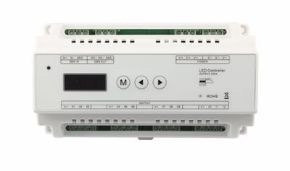
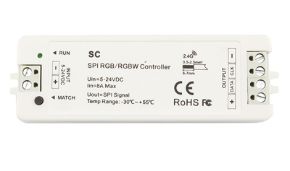
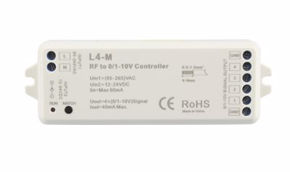
Control systems for HCL
Protocol / System Main characteristics Typical applications DALI-2 International standard (IEC 62386), individual addressing, status feedback, scenes and sequences Offices, schools, hospitals, high-end retail KNX Open bus, integration with all building systems (HVAC, blinds, security) Premium residential and commercial buildings, nearly zero-energy buildings Casambi (Bluetooth Mesh) Wireless, plug-and-play, mobile app, no central hub Retrofitting, small to medium offices, residential Zigbee / Matter IoT standard, smart home ecosystem (Apple HomeKit, Google Home, Amazon Alexa) Residential smart home 0-10V / DMX Simple analog solutions, economical retrofitting Small spaces, entry-level solutions
Sensors and integration with natural light
The effects of HCL: scientific data and comparative statistics
Effects on productivity and cognitive performance
Study / Source Measured parameter Result with HCL vs standard light Viola et al., Scandinavian Journal of Work (2008) Alertness, mood, sleep quality in office +6% alertness; significant improvement in nighttime sleep Iskra-Golec et al. (2012) Reaction speed and accuracy +8% speed; +12% accuracy with morning blue-enriched light de Kort et al., Journal of Environmental Psychology (2012) Mood and work evaluation 15% improvement in positive perception of work environment Frerichs et al., Philips Research (2018) Productivity in call center (n=650) +19% productivity; 7% error reduction Hedges Brown, MIT Media Lab (2020) Cognitive multitasking performance +23% performance under dynamic daylight conditions vs static light Effects on sleep quality
Effects on mood and emotional well-being
Indicator Standard lighting (static) HCL lighting (dynamic) Difference Subjective well-being (scale 1–10) 5.8 7.4 +27.6% Perceived stress (PSS scale) 18.3/40 14.1/40 -23% Sleep quality (PSQI, inverse scale) 7.2/21 4.9/21 -32% (less disturbance) Absenteeism for psychological reasons 8.2 days/year 5.9 days/year -28% Intent to leave company (turnover intent) 34% 21% -38%
Human Centric Lighting in work environments
How HCL transforms the daily work experience
Human Centric Lighting and talent retention
How to integrate HCL principles into HR policies
HCL in healthcare: hospitals, clinics, and care facilities
The impact of light on the healing process
Safety of healthcare workers and error prevention
How to make a healthcare service more human centric through light
Human Centric Lighting and the elderly: specific benefits and applications in nursing homes
How the aging process alters response to light
Documented benefits of HCL for the elderly
Measured parameter Without HCL (standard) With optimized HCL Source / Study Sleep quality (PSQI) Score: 9.2/21 Score: 6.1/21 van Someren et al. (2007), RSA Netherlands Agitation in dementia patients 34 episodes/week 18 episodes/week Burns et al. (2009), RCT UK Falls in corridors 1.8/month per 100 residents 0.9/month per 100 residents Brawley (2009), Long-Term Care Journal Use of antipsychotics 68% of residents 49% of residents Dowling et al. (2007), JAGS Depression (GDS scale) Score: 12.3/30 Score: 8.7/30 Lieverse et al. (2011), RCT NL Autonomy in ADL Standard decline Decline slowed by 22% Riemersma-van der Lek et al. (2008), JAMA
Designing light for the elderly: specific requirements
HCL in schools and educational environments
Studies on HCL in schools
Lighting scenarios for school classrooms
Scenario / Activity Recommended CCT Recommended illuminance Objective Frontal lesson (morning) 5,000–6,000 K 750–1,000 lux Maximum attention and memorization Individual study / Reading 4,000–5,000 K 500–750 lux Sustained concentration Creative activities / Drawing 4,000 K 500 lux (CRI ≥ 95) Faithful color rendering, visual comfort Break / Indoor recess 3,000–3,500 K 200–300 lux Relaxation, stress reduction Before/after afternoon peak hour 5,000 K 750 lux Counteract afternoon energy dip End of lessons / closing 3,000 K 300 lux Transition toward evening rest
Human Centric Lighting in the residential environment: the home of the future
Light in every room: a coherent and personalized system
Smart home technologies for residential HCL
Standards and regulations for Human Centric Lighting
The EN 12464-1 standard
The DIN SPEC 67600 standard: biologically effective lighting
CIE S 026/E:2018: the international melanopic metric
WELL Building Standard: certification for well-being-centered buildings
Summary table of HCL standards
Standard / Regulation Issuing body Year Scope of application Key HCL parameters EN 12464-1 CEN (European Committee for Standardization) 2021 Indoor work environments Ēz (cylindrical illuminance), CRI, uniformity DIN SPEC 67600 Deutsches Institut für Normung 2013 All indoor environments Equivalent melanopic illuminance, daytime cycle CIE S 026/E CIE (Commission Internationale de l'Éclairage) 2018 Evaluation of non-visual light effects EML, α-opic irradiance, melanopsin WELL Building Standard v2 IWBI 2020 Commercial, healthcare, residential buildings EML ≥ 250, CRI, flicker, access to natural light IEEE 1789-2015 IEEE 2015 LED drivers / Dimming Flicker-free (modulation depth < 3% at 3 kHz) LEED v4.1 (EA-LT) USGBC 2019 Green/Sustainable buildings Light quality, access to views, uniformity
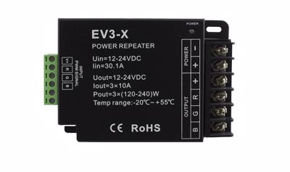
LED Human Centric Lighting: Ledpoint solutions
What makes an LED truly "HCL ready"
The importance of choosing professional-quality LED HCL products
Advantages and challenges in implementing HCL
The advantages of Human Centric Lighting
Beneficiary Main advantage Measurable indicator Office workers Greater productivity and well-being +10–20% productivity, -25% absenteeism Students and teachers Better learning and concentration +35% reading speed, -45% errors Hospital patients Faster healing and less pain -8–21% days of hospitalization, -22% analgesics Elderly in nursing homes Better sleep, less agitation, fewer falls -32% sleep disturbances, -50% falls, -28% antipsychotics Shift workers Reduction of professional errors -15–27% errors, reduced operational fatigue Companies (ROI) Reduction of HR, energy, healthcare costs Average ROI 3–5 years on office installations Environment Reduction of energy consumption -30–50% vs standard lighting (daylight harvesting)
Challenges of HCL implementation: obstacles and solutions
Initial investment cost
Design complexity
User acceptance and training
Need for scheduled maintenance
Case studies
Volkswagen Group, Wolfsburg (Germany) – HCL in offices
University Hospital of Basel (Switzerland) – HCL in neonatal intensive care
"Licht und Lernen" Elementary School, Munich (Germany) – HCL for education
"Casa Serena" Nursing Home, Stuttgart (Germany) – HCL for elderly with dementia
The future of Human Centric Lighting
HCL and artificial intelligence: toward predictive light
Spectrally optimized LEDs
HCL and public health
Here's why choose Human Centric Lighting today