







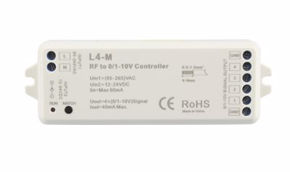
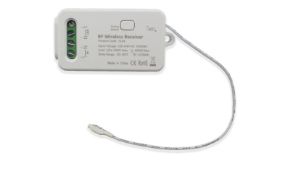
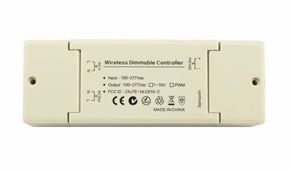
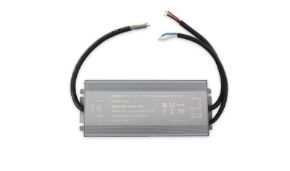
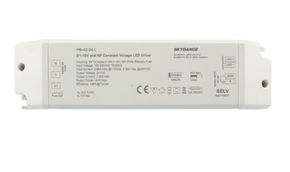
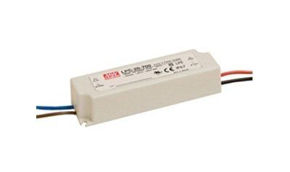

Transformer son jardin en un refuge enchanté après le coucher du soleil est un art qui allie créativité, technologie et une profonde compréhension de l'espace. Un éclairage étudié avec soin ne prolonge pas seulement la vie des espaces extérieurs, mais en révolutionne complètement l'atmosphère, la perception et l'utilisation, créant des environnements qui invitent à la détente, à la socialisation et à l'émerveillement.
Dans ce guide complet, nous explorerons chaque aspect de l'éclairage de jardin, des fondements techniques aux dernières tendances, avec un accent particulier sur la fiabilité et l'efficacité des solutions LED professionnelles. Nous découvrirons comment planifier, concevoir et réaliser un système d'éclairage extérieur à la fois esthétique, fonctionnel et conçu pour durer dans le temps, en mettant en valeur chaque coin de votre espace vert.
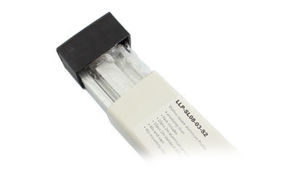
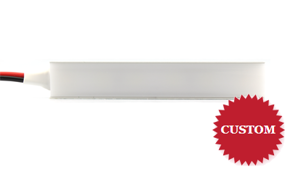
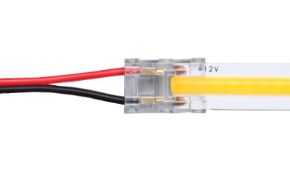
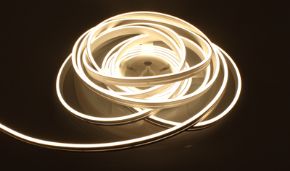
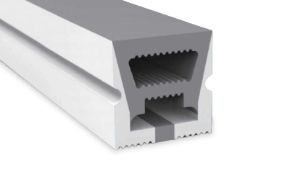
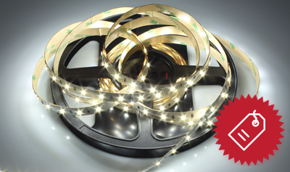
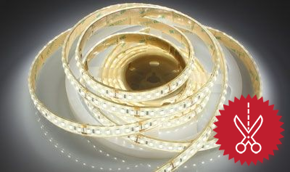
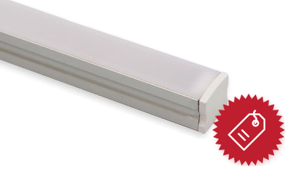
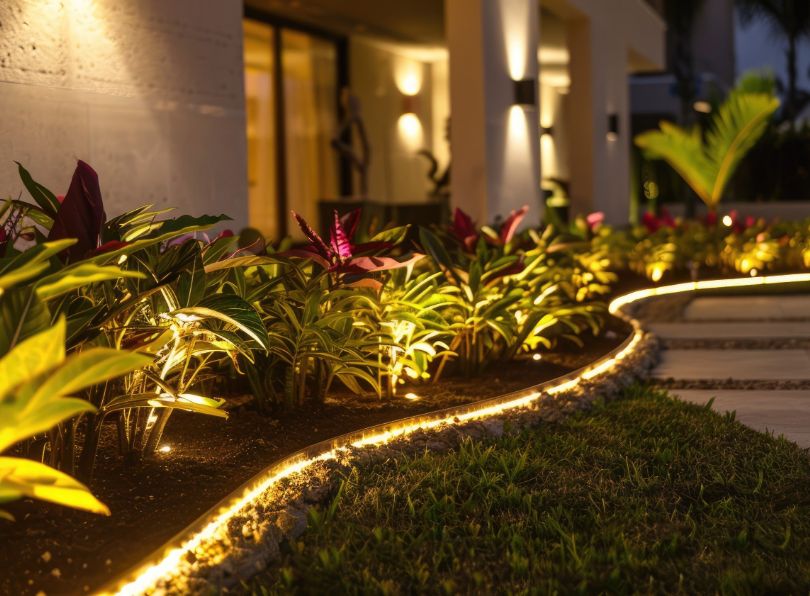
Chaque projet d'éclairage part d'un "pourquoi". Quelles sont vos priorités pour le jardin ? Pour beaucoup, la sécurité est fondamentale : éclairer escaliers, marches, allées et entrées pour prévenir les chutes est un devoir. Pour d'autres, l'objectif est purement esthétique : créer une atmosphère de rêve, transformer un arbre en une sculpture lumineuse ou faire resplendir une fontaine. Souvent, la réponse est un équilibre entre les deux. Une allée bien éclairée peut être à la fois sûre et esthétiquement plaisante si elle est conçue avec des projecteurs à lumière rasante qui en dessinent la forme avec discrétion. La tendance de 2025/2026 est précisément celle-ci : fusionner de manière imperceptible la fonction et l'émotion, de sorte que l'éclairage fasse partie intégrante du design, et non un accessoire ajouté après coup. Éclairer ne signifie pas inonder de lumière. Au contraire, l'approche moderne privilégie l'éclairage d'accentuation, sélectif et respectueux de l'environnement, surtout dans le jardin. La dite "pollution lumineuse", c'est-à-dire la dispersion de lumière artificielle vers le ciel nocturne, est une préoccupation croissante, à tel point que de nombreuses régions italiennes ont des réglementations spécifiques pour la limiter. Choisir des produits avec des optiques occultantes qui dirigent le faisceau lumineux uniquement là où il est nécessaire (vers le bas) et préférer des températures de couleur chaudes (en dessous de 3000K) n'est pas seulement un choix éthique, mais aussi esthétique. Les lumières chaudes créent une atmosphère plus accueillante et naturelle, réduisent l'éblouissement et dérangent moins la faune nocturne. C'est une vision responsable que Ledpoint soutient en proposant des produits avec des optiques précises et une gamme de blancs chauds étudiés pour l'extérieur. La température de couleur, mesurée en Kelvin (K), définit si la lumière apparaît "chaude" (jaunâtre), "neutre" ou "froide" (blanche-bleutée). Pour le jardin, la règle d'or est : lumière chaude (2700K - 3000K) pour les zones de détente, de repas et de séjour et lumière neutre (3000K - 4000K) pour les chemins et les zones fonctionnelles. Une bande LED de 4000K est parfaite pour souligner la linéarité d'une allée moderne avec une lumière claire et naturelle. Éviter les lumières froides (au-delà de 5000K) est fondamental pour ne pas créer une atmosphère clinique et anti-naturelle et pour respecter les indications contre la pollution lumineuse. Le futur est sans ampoules. Les luminaires avec LED intégrées, conçus pour durer des dizaines de milliers d'heures, sont en train de supplanter les anciens systèmes à ampoules. L'avantage est énorme : plus grande robustesse, étanchéité supérieure et aucune maintenance pour le remplacement des lumières. Cette tendance s'accorde avec l'esthétique de l'invisibilité : l'objectif est de voir l'effet de la lumière, et non le corps qui l'émet. Éclairage à fleur de sol, profilés pour bandes LED cachés sous une main courante ou dans une rainure : la lumière semble se matérialiser de nulle part, créant des effets magiques et d'un design ultra-contemporain. Sur Ledpoint, vous trouverez une vaste gamme de bandes LED IP65 et IP67, parfaites pour être installées dans des goulottes de protection et créer ces lignes de lumière pures et continues. Parmi les innovations les plus excitantes se trouvent les bandes LED COB (Chip-On-Board). Contrairement aux bandes SMD traditionnelles où les LED individuelles sont des points distincts, la technologie COB intègre des centaines de micro-puces directement sur un seul substrat, éliminant les espaces vides et créant une ligne de lumière absolument uniforme, sans le typique "effet pointillé". Le résultat est un "ruban lumineux" continu et homogène, idéal pour des applications de design où la perfection esthétique est fondamentale. Au-delà de l'esthétique supérieure, les COB offrent une meilleure dissipation de la chaleur (ce qui se traduit par une durée de vie plus longue) et un indice de rendu des couleurs (IRC) souvent supérieur à 90, fondamental pour faire ressortir les vraies couleurs des plantes et du mobilier de jardin. C'est la technologie de pointe pour ceux qui ne veulent pas faire de compromis. La domotique sort de la maison et s'invite au jardin. Contrôler les lumières via une appli, créer des scénarios prédéfinis ("dîner", "détente", "fête"), régler l'intensité et la couleur ou les intégrer à des détecteurs de mouvement et crépusculaires n'est plus un luxe, mais une caractéristique recherchée. Les transformateurs WiFi et les systèmes modulaires permettent de gérer différentes zones du jardin de manière indépendante, allumant le chemin à la détection d'un mouvement ou créant une atmosphère tamisée sur la terrasse au coucher du soleil, le tout automatiquement. Ces systèmes, au-delà du confort, maximisent l'efficacité énergétique et la sécurité. Sur Ledpoint, de nombreux drivers et contrôleurs pour bandes LED sont prévus pour l'intégration dans des systèmes intelligents, vous permettant de construire un jardin véritablement intelligent et réactif. L'énergie solaire représente la frontière de l'éclairage autonome et à zéro impact sur la facture. Les modèles d'aujourd'hui sont bien loin des petites lumières faibles d'autrefois. Grâce à des panneaux plus efficaces et à des batteries lithium-ion, ils offrent des performances lumineuses fiables et durent de nombreuses heures même après une journée pas entièrement ensoleillée. Ils sont la solution idéale pour les zones éloignées des prises de courant, pour l'éclairage décoratif des massifs ou pour signaler des bordures, sans nécessiter de tranchées ou de câblages complexes. Cependant, pour les zones principales où une luminosité constante et intense est requise (comme une pergola ou un espace de vie extérieur), une installation LED alimentée sur secteur reste le choix le plus performant et contrôlable. La tendance va vers une approche hybride et intelligente, qui utilise le solaire là où c'est le plus pratique et l'alimentation traditionnelle pour le "cœur" éclairé du jardin. L'objectif ici est de guider, délimiter et prévenir les accidents, avec discrétion et élégance. Éviter les lumières trop fortes et dirigées dans les yeux. C'est la zone du confort et de la convivialité. La lumière doit être chaude, enveloppante et, surtout, réglable (dimmable). Éclairer les plantes est un art qui révèle formes, textures et couleurs cachées par l'obscurité. Murs, statues, fontaines et piscines méritent un traitement spécial. Le degré de protection IP est la première chose à regarder pour tout produit destiné à l'extérieur. Il indique la résistance à la poussière et à l'eau. Pour les installations exposées aux intempéries (projecteurs au sol, lumières murales), IP65 est le minimum indispensable (protégé contre les jets d'eau). Pour les installations au sol où de l'eau peut stagner ou pour l'éclairage de bassins, IP67 ou IP68 (en cas d'immersion) sont obligatoires. Une bande LED avec IP65, comme beaucoup de celles du catalogue Ledpoint, a une gaine en silicone qui protège les circuits, vous garantissant tranquillité même pendant un orage. La qualité se voit aux matériaux. Luminaires en aluminium moulé sous pression sont excellents car ils dissipent bien la chaleur (prolongeant la vie des LED) et sont très robustes. Pour les bandes LED, la gaine en silicone de haute qualité est fondamentale pour maintenir la flexibilité à basse température et éviter les fissures. Une LED ne "grille" pas soudainement, mais se dégrade lentement. Cherchez des produits qui spécifient la durée de vie utile L70/B50 (ex. 30 000 heures), ce qui signifie qu'après ce temps, 50% des produits maintiendront au moins 70% du flux lumineux initial. C'est un indicateur de qualité bien plus significatif qu'une simple "durée" générique. Enfin, une garantie longue (2, 3 ou 5 ans) est le meilleur gage de confiance qu'un fabricant puisse vous donner. Ledpoint sélectionne des fournisseurs qui offrent des garanties étendues précisément parce qu'elle teste la durabilité de ses produits. Commencez par un plan à l'échelle de votre jardin. Marquez : Ensuite, dessinez schématiquement où vous voulez la lumière et de quel type (flèche pour un projecteur, ligne pour une bande LED). Ce croquis sera votre carte pour estimer les matériaux (mètres de câble, nombre de projecteurs, longueur de bandes LED) et planifier les travaux. Pour tout ce qui concerne l'alimentation en 220V, adressez-vous toujours à un électricien qualifié. Il se chargera de : Vous, ou un jardinier spécialisé, pourrez ensuite positionner et orienter les lumières et fixer les profilés pour les bandes LED en suivant les instructions et accompagnés de l'électricien. Une installation LED de qualité nécessite peu d'entretien, mais quelques précautions prolongent la durée de vie de tout : Éclairer le jardin est un investissement qui rend sa valeur chaque soir, transformant un espace extérieur en un coin vivable, accueillant et spectaculaire de votre maison. Choisir des produits fiables, concevoir avec une vision d'ensemble et s'appuyer sur des technologies avancées comme les bandes LED COB et les systèmes intelligents est la garantie d'un résultat qui dure dans le temps et qui continuera à émouvoir, saison après saison. Sur Ledpoint.it vous trouvez non seulement les produits, mais aussi le support technique et l'expérience pour réaliser le jardin illuminé de vos rêves, avec la certitude de la qualité et de la fiabilité. Commencez à concevoir votre oasis de lumière dès aujourd'hui ! Cet article a été élaboré avec le soutien de l'intelligence artificielle, puis relu, corrigé et validé par l'équipe technique de Ledpoint.it, ce qui garantit sa fiabilité et sa conformité aux sources officielles.Jardin : les fondamentaux d'un projet d'éclairage parfait
Définir les objectifs : sécurité, atmosphère et beauté dans le jardin
La philosophie du "less is more" et la guerre contre la pollution lumineuse dans le jardin
Comment choisir la bonne température de couleur pour votre jardin
Les tendances de l'éclairage de jardin pour 2025/2026
Éclairage intégré et "invisible" : le triomphe de la technologie LED dans le jardin
La révolution des bandes LED COB : uniformité et performances inégalées
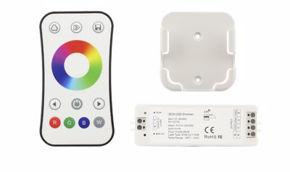
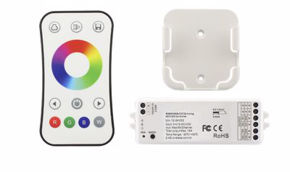
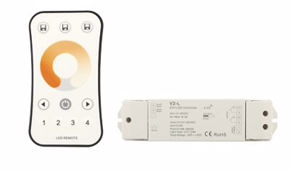
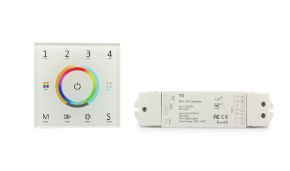
Éclairage intelligent et contrôle total : le jardin connecté
Durabilité et autonomie : le rôle des lampes solaires de nouvelle génération
Guide pratique : comment éclairer chaque zone du jardin
Chemins, allées et escaliers du jardin : la sécurité avant tout
Zone détente, séjour et repas : créer l'atmosphère
Végétation, arbres et massifs : mettre en scène la nature
Éléments architecturaux et d'eau : mettre en valeur le caractère
L'importance cruciale de la fiabilité des produits pour le jardin
Le code IP (indice de protection)
Construction et matériaux
Durée de vie utile, maintien des lumens et garantie : lire les spécifications
Planification, installation et maintenance : le processus par étapes
Étape 1 : le projet sur papier (ou sur écran)
Étape 2 : l'installation professionnelle
Étape 3 : la maintenance simple mais essentielle
Jardin : un éclairage qui se pense.