










Eyes and lighting: consequences and solutions
The light that surrounds us shapes our perception of the world—but how directly does it affect our eye health? In an era where we spend up to 90% of our time indoors, the quality of artificial lighting becomes a crucial factor for visual well-being and productivity.
This article delves deeply into the physiological impact of light on the eyes, examines the regulatory framework ensuring healthy living and working environments, and presents advanced technical solutions—such as high-end LED strips—to create illuminated spaces that are healthy, efficient, and comfortable.
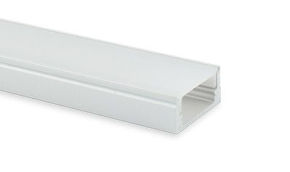
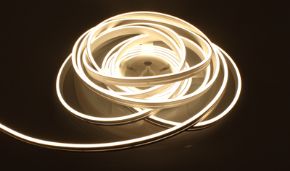
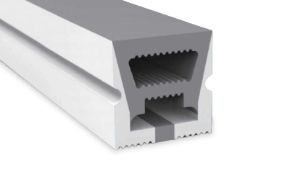
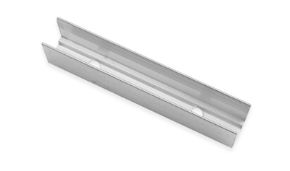
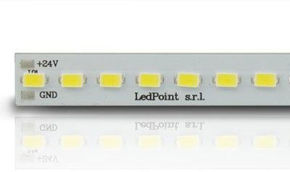
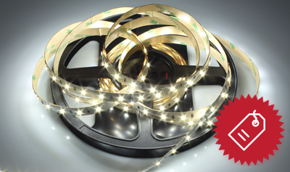
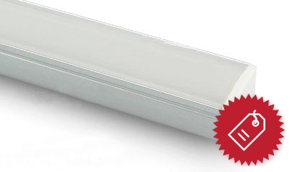
Our eyes are extraordinarily adaptive organs, yet they evolved for natural daylight. Prolonged exposure to low-quality artificial lighting triggers a range of stresses that can undermine visual health. Understanding these mechanisms is the first step toward preventing damage and selecting the right technologies. The retina—the nervous tissue lining the back of the eye—contains two main types of photoreceptors: cones (for daytime and color vision) and rods (for low-light vision). Insufficient, unstable, or spectrally distorted lighting forces these receptors into exhausting overwork, slowing signal transmission to the brain and causing that familiar sensation of “visual sluggishness.” Moreover, light regulates the circadian rhythm through photosensitive ganglion cells that influence melatonin production. Excessively cool and intense color temperatures in the evening suppress this hormone, disrupting sleep and indirectly fatiguing the eyes the following day. With the proliferation of screens, this issue has intensified. It’s not only the blue light emitted by devices that may be harmful, but also the excessive contrast between a bright screen and a darker room background. The eyes must constantly readjust between two vastly different brightness levels—a process called adaptation—that consumes energy and causes fatigue. Proper ambient lighting that reduces this contrast gap is the first line of defense against computer vision syndrome. Several factors can cause significant eye strain—each easily remedied with the right knowledge. Protecting eye health in workplaces—and by extension, in living environments—is not left to chance. A precise set of technical standards defines the minimum requirements for safe and efficient lighting. Awareness of these standards is essential for designers, installers, and safety managers. This is the cornerstone of the European lighting regulation for workplaces. It doesn’t merely prescribe “how much light” is needed but defines key qualitative parameters essential for visual comfort: Advanced standards like the WELL Building Standard integrate baseline regulations with human-centric lighting concepts. They promote dynamic systems that mimic natural daylight patterns—warm, low-intensity light in the morning and evening, and cooler, brighter light at midday. This approach, enabled by dimming-capable and color-tunable LED systems, supports circadian rhythms and reduces long-term eye strain. Modern LED strips, when carefully selected and installed, are not merely decorative—they form the foundation of an ideal indirect, diffused lighting system for eye health. Their flexibility enables continuous light lines that eliminate harsh shadows and direct glare. Not all LED strips are equal. Here are the technical specifications to prioritize for protecting your eyes: Installing a high-efficiency LED strip directly exposed is counterproductive for eye health. The profile with an opal diffuser (in PC or PMMA) is a non-negotiable component. It serves three essential functions: 1) eliminates direct glare by concealing individual LED point sources; 2) further enhances light uniformity by perfectly blending light from individual chips; 3) provides physical protection for electronic components. A high-quality profile with high light transmission (>80%) transforms a technical light source into comfortable, health-promoting illumination. Each environment has distinct visual needs. Let’s explore how to apply visual well-being principles using LED strips in real-world settings—from homes to offices. The goal is to balance screen brightness with ambient light to eliminate harmful contrast. The optimal solution includes: 1) primary indirect lighting: install high-CRI, tunable-CCT LED strips (e.g., 3000K–4000K) inside a channel profile mounted behind the desk or on the ceiling. This reflected light creates shadow-free, diffused illumination. 2) accent task lighting: a slim linear profile with warm-white (2700K) LED strips beneath overhead cabinets provides direct light for documents, reducing fatigue during reading. Critically, all sources must be flicker-free. Here, the priority is supporting circadian rhythms and creating relaxing atmospheres. Avoid cool, intense lighting after sunset. Use dimmable, warm-white LED strips (2200K–2700K) for: • floor-level ambient lighting (illuminated skirting) or ceiling coves; • cabinet or closet illumination with motion sensors. Smart controllers enable programmed scenes (e.g., “Evening”) that automatically lower intensity and warm the light color, preparing eyes and mind for rest. Lighting choices must not be driven by aesthetics alone or short-term energy savings. Eyes are a precious and irreplaceable asset. Poor lighting is a silent indoor pollutant, with measurable consequences for comfort, productivity, and long-term eye health. Regulations like UNI EN 12464-1 provide a scientific minimum baseline, but today’s advanced technologies—such as LED strips offering exceptional color rendering, uniformity, and stability—allow us to go far beyond, creating truly healthy and comfortable environments. The next time you evaluate a lighting system, ask yourself: Is this light working for or against my eyes? Choosing certified, high-quality products—professional-grade LED strips, stable drivers, and profiles with excellent diffusers—is not an added cost, but a fundamental investment in daily well-being and long-term vision protection.Eyes: the critical relationship with artificial light
Eyes and light response
Eyes: the mechanism of digital eye strain
Key factors: what stresses our eyes?
Eyes and regulatory framework: how are they protected by law?
The reference standard for eye well-being: UNI EN 12464-1
A high value indicates an uncomfortable and potentially harmful environment for the eyes.The Unified Glare Rating (UGR) measures visual discomfort caused by luminaires in the field of view. For offices, UGR must be ≤ 19.
Beyond regulations: WELL building standard and Human Centric Lighting (HCL)
Solutions: LED strips as tools for eye comfort
Features of an “Eye-Friendly” LED strip
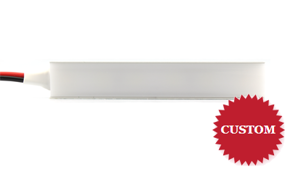
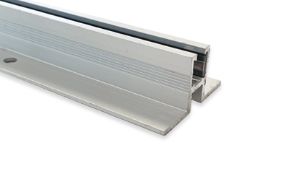
The crucial role of the housing profile (diffuser)
Practical applications: lighting for specific environments
Lighting for home offices and computer workstations
Relaxation and sleep-focused lighting: bedrooms and living rooms
Eyes and lighting: investing in light is essential