







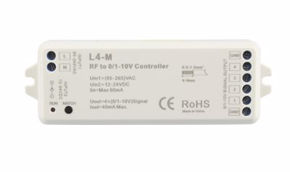
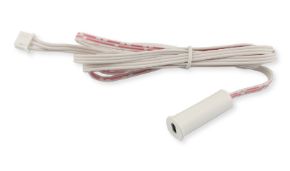
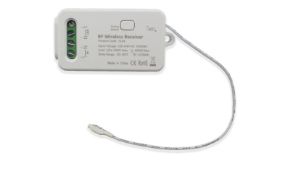
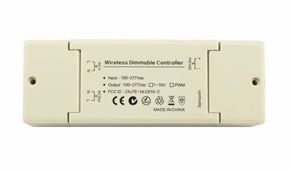




Dimmable: what does it mean?
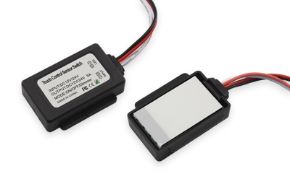
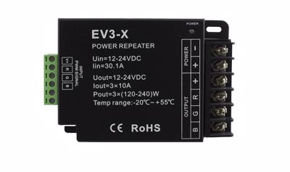
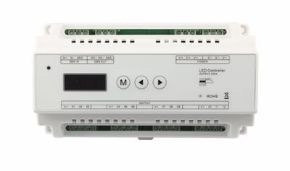
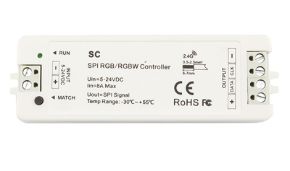
In the modern world of lighting, the word dimmable is synonymous with control, customization, and efficiency. But what does it really mean? Let's go beyond the simple definition of "adjustable" to explore a technological universe that allows us to shape light according to every need, moment, and mood. In this article, intended for professionals, DIY enthusiasts, and anyone who wishes to light intelligently, we will dissect the concept of dimmability as applied specifically to the world of LED strips, NeonFlex, and LED modules. We will discover not only what makes a product technically dimmable, but also the different available adjustment methods, the concrete advantages they bring to homes and businesses, and a look at the future technologies that are reshaping our relationship with light. Get ready for a comprehensive guide that will transform your approach to lighting design. Before delving into technical specifics, it is crucial to establish a solid and shared understanding of the term dimmable. This chapter lays the foundation, defining the concept, tracing its historical evolution, and clarifying the fundamental difference between dimmable and non-dimmable products, with a specific focus on solid-state light sources. The term "dimmable" comes from the English "to dim", meaning "to become darker" or "to lower". In electrical and lighting engineering, a device (such as an LED strip, NeonFlex, or lamp) is defined as dimmable when it is designed to be connected to and controlled by a dimmer, i.e., a light intensity regulator. The normative definition (CEI 23-86/CEI EN 50428) classifies them as "Non-automatic switching devices for fixed electrical installations for household and similar purposes". The essence of dimmability is therefore the intrinsic ability of a light source to vary its luminous flux in a controlled, gradual, and safe manner, in response to an external command. It is not a simple on/off switch, but an infinite range of light levels between minimum and maximum. Dimming acts directly on the light output, measured in lumens. Adjusting a dimmable product means controlling how many lumens it emits. It is important to distinguish this regulation from that of color temperature (measured in Kelvin), although more advanced technologies (such as Tunable White) allow both parameters to be controlled simultaneously. A dimmable product offers the freedom to switch from bright, functional light for working or cooking, to soft, welcoming light for relaxing or watching a movie, simply by acting on a control. The desire to control light is not at all modern. The first forms of dimming, in 19th-century theaters, used heavy and inefficient rheostats that dissipated huge amounts of energy as heat. The revolution came with the introduction of electronic phase-cut (TRIAC) dimmers in the 1960s and 70s, designed for incandescent and halogen lamps. These devices, still common today, work by "cutting" portions of the alternating current (AC) voltage waveform to reduce the average power delivered to the load. The advent of LED technology imposed a new revolution. LEDs are low-voltage, direct current (DC) sources, and their operation is not compatible with simple TRIAC dimmers designed for resistive loads like old light bulbs. This led to the integration of specialized driver circuits inside LED strips, NeonFlex, and modules, and the development of new digital dimming protocols like DALI and DMX, offering previously unimaginable precision and control possibilities. Today, a dimmable LED product is the result of this sophisticated technological evolution. The difference between a dimmable and a non-dimmable product is substantial and goes far beyond the label on the packaging. A non-dimmable product is designed to operate exclusively at its full rated power when powered. Connecting it to a dimmer, especially an old type, can cause a series of serious problems: visible and annoying flicker, electrical humming, premature malfunction, and, in the worst cases, permanent damage to the product or the dimmer itself. The incompatibility stems from the fact that the internal driver of a non-dimmable LED is unable to interpret the "cut" signal sent by the dimmer. Conversely, a dimmable product integrates a driver specifically designed to receive an external control signal (whether phase-cut, PWM signal, or digital protocol) and translate it into precise regulation of the current sent to the LED chips. This design compatibility is the keystone. Therefore, it is essential to always check the product specifications and ensure it is explicitly labeled as "dimmable" before attempting any connection with a dimmer. Choosing a dimmable product opens the door to a world of flexibility, while the improper use of a non-dimmable product in a dimmed circuit is an absolute practice to avoid. The magic of light adjustment is not magic, but precision engineering. In this chapter, we analyze the components and physical principles that allow a simple LED strip to become a dynamic light instrument. Understanding "what's underneath" is essential for making technically informed choices. The most critical component determining the dimmability of an LED product is the driver (or power supply). This is not a simple transformer, but a sophisticated electronic circuit that performs three fundamental functions: 1) converts mains voltage (e.g., 230V AC) into a low, continuous voltage suitable for LEDs (e.g., 12V or 24V DC). 2) regulates the current delivered to ensure stability and long life for the LED chips. 3) interprets the control signal sent by the external dimmer and modulates its output accordingly. A driver for non-dimmable products completely ignores any attempt at external regulation. A dimmable driver, on the other hand, is designed with additional circuits capable of "reading" different types of signals. For example, a TRIAC-dimmable driver can recognize the cut angle of the AC waveform and translate it into a corresponding reduction in output current. A 0-10V driver varies its output in proportion to the voltage of a dedicated control signal. The quality and sophistication of the driver directly determine the quality of dimming: a good driver ensures smooth regulation from 100% down to very low levels (even 1% or less) without flicker, hum, or unwanted color tone shifts. There are several technological paths to achieve the effect of reducing perceived brightness. The three main ones are: One of the most common mistakes is thinking that any dimmer will work with any dimmable LED product. The reality is that compatibility is an absolutely crucial parameter. Older dimmers, designed for high-wattage resistive loads (e.g., 300W of halogens), have a "minimum load" that is often not reached by a few meters of low-consumption LED strip. This can cause the dimmer not to activate properly, resulting in flicker, a 50Hz hum, or failure to turn the light off completely. The solution lies in the conscious selection of modern dimmers specifically designed for low-wattage LED loads. Many manufacturers provide compatibility lists matching their dimmers to specific drivers or LED loads. For retrofit installations (replacing old lamps with LEDs), it is often necessary to also replace the old wall dimmer with a model compatible with LEDs. Investing in a quality dimmer, designed for solid-state technology, is the most important step to ensure smooth, silent, and long-lasting performance. Beyond basic methods, there are standardized "languages" for commanding the light of a dimmable product. The choice of dimming protocol defines the control possibilities, scalability, and integration of your lighting system. This chapter compares the main options, from simple analog to the power of digital. The following table provides a quick overview of the distinctive characteristics of each protocol, adapted for applications with LED strips and NeonFlex: The 0-10V protocol is a workhorse in commercial and industrial lighting. It works on a simple principle: a controller sends on a dedicated pair of wires a voltage varying between 0 Volts (light at minimum) and 10 Volts (light at maximum). The 0-10V driver on the LED strip interprets this voltage and regulates the output accordingly. Its strength is its robustness, reliability, and predictability. However, it only controls groups of lights (all drivers connected to the same signal behave the same) and requires additional wiring compared to power alone. It is the perfect choice for environments like open-plan offices or shops where reliable adjustment of large lighting zones is needed. Here we enter the realm of high precision and advanced flexibility. Theory translates into tangible benefits. This chapter explores the concrete reasons, from atmosphere to energy savings, why dimmability has become an indispensable feature in any quality lighting project, residential or commercial. Light is the emotional fabric of a space. A dimmable product allows you to tailor this fabric for every occasion. In a residential environment, dimming transforms a static room into a dynamic and responsive environment: intense, cool light for breakfast and morning chores in the kitchen; warm, soft light for a romantic dinner in the living room; a dim night light for hallways. In commercial spaces, a store can use maximum brightness to attract attention during the day and more dramatic, atmospheric lighting in the evening. In a restaurant, adjustment is essential to mark the transition from lunch to dinner service, creating an engaging and memorable customer experience. Dimming is not just about aesthetics, but ethics and economics. Reducing the brightness of an LED reduces its energy consumption almost linearly. Dimming the lights to 50% means consuming about 50% less energy. In a residential context, this translates into lighter electricity bills. In a commercial or industrial context, where lighting represents a significant slice of operating costs, savings can be enormous. Furthermore, operating at reduced power generates less heat inside the LED chips and the driver's electronic components, contributing to significantly prolonging the product's operational life, often well beyond the declared 50,000 hours. This means fewer replacements, lower maintenance costs, and less electronic waste. Research in the field of "Human Centric Lighting" (HCL) has demonstrated how our circadian rhythm is profoundly influenced by the amount and quality of light we receive. A dimmable system, especially when combined with tunable color temperature LEDs (Tunable White), allows us to simulate the natural progression of sunlight during the day. You can start the day with a fresh, stimulating light that promotes concentration, then gradually transition to warmer, more relaxing tones towards evening, preparing the body for rest. This approach can improve productivity in the office, sleep quality at home, and overall well-being. Dimmability is the first and fundamental step towards truly biological, human-centric lighting. The world of adjustable light does not stand still. The convergence with consumer electronics, the Internet of Things, and artificial intelligence is opening radically new scenarios. This chapter explores the near horizon of dimming. The boundary between traditional dimmer and smart device has dissolved. Modern WiFi or Zigbee dimmers and controllers can be integrated into ecosystems like Apple HomeKit, Google Home, Amazon Alexa, or professional platforms like Control4 or Savant. This allows for total control from smartphones, tablets, scheduled timers, and, most importantly, automation. The light can turn on gradually at wake-up time, adjust based on natural light detected by a sensor, or turn off throughout the house with a single voice command. Dimmability thus becomes the prerequisite for entering a smart home ecosystem, where lighting interacts with thermostats, blinds, and security systems. The future is chromatic. The next frontier is not just "how much" light, but "what kind" of light. Tunable White products integrate LEDs of different color temperatures (e.g., 2700K and 6500K) on the same strip. An advanced dimmable controller can independently regulate the intensity of each channel, allowing you to seamlessly range from warm white to cool white, and naturally to all intermediate intensities. RGB and RGBW systems push this logic to the maximum, offering a palette of millions of colors, all dimmable in intensity. This allows for incredibly personalized lighting scenarios: a dimmable RGBW LED strip can generate an intense red for a party, a relaxing green for meditation, a blue background for a monitor. Color dimmability is the most expressive form of light control. Even at the light source level, innovation continues. COB (Chip-on-Board) LED strips are rapidly gaining ground. Instead of having spaced individual LED chips (SMD), COB technology integrates hundreds of micro-diodes on a single continuous substrate. The result is a dimmable light line that is perfectly uniform, without distinct bright spots. This homogeneity also translates into superior dimming quality, especially at very low levels, where SMD strips may show slight granularity. COB LEDs also offer better heat dissipation and very high Color Rendering Index (CRI) values (>90), meaning the quality of light and illuminated colors remains excellent at any adjustment level. Research on materials like graphene for dissipation and on ever smaller, more efficient chips promises to make the dimmable products of the future even more performant, compact, and versatile. The journey through the meaning of "dimmable" reveals a concept that is anything but trivial. It is not a simple optional feature, but the fundamental characteristic that elevates lighting from a utilitarian function to a tool for design, well-being, and efficiency. Whether you are designing lighting for your home, a shop, an office, or an artistic installation, choosing a dimmable product means investing in flexibility, long-term savings, and quality of life. It means equipping yourself with the ability to adapt light to the flow of time, activities, and emotions. With the continuous evolution towards digital, smart integration, and new technologies like COB and Tunable White, the future of light is dynamic, customizable, and, undoubtedly, fully dimmable. The right choice, today, is to choose to have control.Dimmable - Modern light control
Dimmable: what does it really mean?
The concept of luminous intensity regulation (lumen output)
Historical evolution: from rheostats to digital LED dimmers
Dimmable vs. non-dimmable: a crucial distinction
Dimming: what makes an LED product dimmable
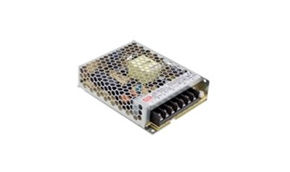
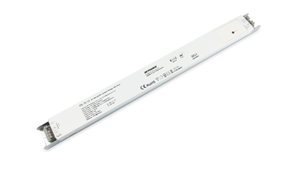
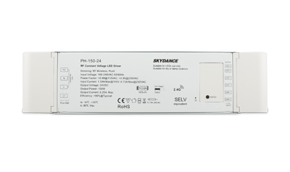
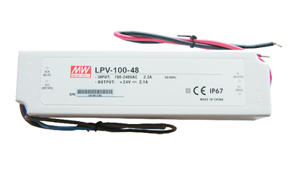
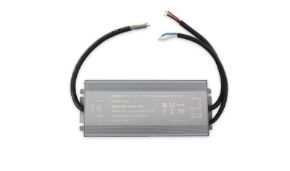
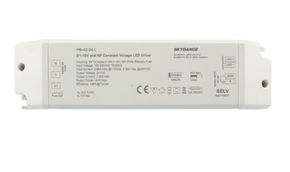
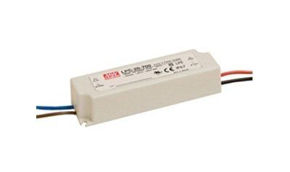
The core of the system: the dimmable LED driver
Dimming methods: PWM, analog, and phase-cut
Compatibility: the challenge between dimmable product and dimmer
The protocols to follow for managing a dimmable product
Comparative overview: TRIAC, 0-10V, DALI, and DMX
Protocol Type Main advantage Main disadvantage Ideal application TRIAC / Phase-Cut Analog (AC) Easy retrofit, uses existing wall dimmers. Critical compatibility, limited regulation range, possible flicker. Small residential projects, renovations. 0-10V Analog (DC) Simple, reliable, established industrial standard. Requires separate control wiring, group control only. Offices, schools, shops, general commercial lighting. DALI (Digital addressable lighting interface) Digital Individual device addressing, bidirectional communication, extreme flexibility. Higher cost, requires programming (commissioning). Office buildings, hotels, high-end retail, smart buildings. DMX512 Digital Very high precision and speed, ideal for dynamic effects and RGB colors. Complex wiring (daisy-chain), requires dedicated controller. Theaters, events, architectural facades, entertainment, artistic installations. PWM (Direct via controller) Digital (Signal) Wide dimming range, simple and economical. Limited distance, suitable for small networks. Residential decorative lighting, under-cabinet, illuminated furniture.
0-10V: the reliable analog standard
DALI and DMX: the power of digital and addressable control
Practical applications: when to choose a dimmable product
Creating atmosphere and experience: the emotional value of adjustable lights
Energy savings and efficiency: direct economic benefits
Well-being and health: human-centric lighting
The future of dimming: trends and emerging technologies
Smart home and IoT integration: voice control and automation
Beyond brightness: color dimming (tunable white and RGB)
Innovative materials and technologies: chip-on-board (COB) and beyond
Lighting with awareness, today and tomorrow